The Human Rights Council adopts a Saudi resolution condemning Iranian attacks

International endorsement of a firm Saudi decision
In a move reflecting firm international consensus, the UN Human Rights Council adopted a comprehensive draft resolution submitted by Saudi Arabia in cooperation with the Gulf Cooperation Council (GCC) states and the Hashemite Kingdom of Jordan. This resolution condemns Iran’s attacks and actions aimed at destabilizing the region. The resolution was adopted unanimously, without a vote, following an urgent debate convened at the Council’s request by the GCC states and Jordan, underscoring the gravity of the situation and the importance of swift international action to contain the tensions.
During the emergency session, the Permanent Representative of the Kingdom of Saudi Arabia to the United Nations in Geneva, Ambassador Abdulmohsen bin Majid bin Khuthaila, delivered a strong diplomatic statement affirming the Kingdom's firm condemnation of the Iranian attacks. The Ambassador explained that these attacks not only represent a transient security threat but also constitute a blatant violation of the sovereignty and territorial integrity of states, and a clear and explicit breach of international conventions and international law. He emphasized that targeting countries not party to any existing conflict is a flagrant act of aggression that cannot be justified or accepted under any circumstances.
Regional context and the strategic importance of the Strait of Hormuz
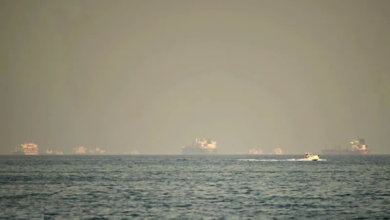
The UN resolution addressed a critical issue concerning global maritime security, strongly condemning any actions or threats by Iran aimed at obstructing or interfering with international navigation through the Strait of Hormuz. Historically and economically, the Strait of Hormuz is one of the world's most important strategic waterways, through which a significant portion of global oil supplies and international trade pass. Any threat to this vital waterway not only affects the economic stability of the Gulf Arab states but also strikes at the heart of the global economy, making the protection of freedom of navigation a shared international responsibility that demands a firm stance.
Human rights implications of targeting infrastructure
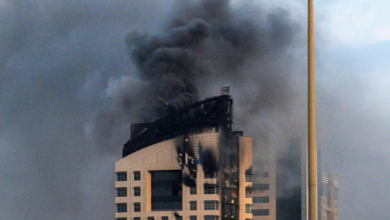
A notable and innovative aspect of the resolution's wording is its expression of grave concern regarding Iranian attacks targeting energy infrastructure. In the context of human rights, energy infrastructure is inextricably linked to the fundamental rights of civilians. A stable energy supply is vital for the operation of hospitals, desalination plants, and electricity grids upon which millions of people depend for their daily lives. Therefore, any targeting of these civilian and economic facilities has serious and direct repercussions for the enjoyment of fundamental human rights, including the rights to life, health, and an adequate standard of living.
Expected impact and the demand for international accountability
This resolution represents a significant turning point in the international approach to addressing violations in the Middle East, establishing a legal and rights-based framework for holding perpetrators of these violations accountable. The resolution explicitly demands that the Islamic Republic of Iran immediately comply with Security Council Resolution 2817 and cease all practices and policies that threaten the security and stability of the region. The international consensus on this resolution sends a firm message that the international community will not tolerate serious breaches of international peace and security, and that respect for the sovereignty of states and the protection of the rights of civilians remain top global priorities.