
جهود الأمم المتحدة في مواجهة تفشي إيبولا في الكونغو
في ظل ظروف إنسانية وأمنية بالغة التعقيد، أكدت الأمم المتحدة أن بعثة حفظ السلام التابعة لها في جمهورية الكونغو الديمقراطية (مونوسكو) تواصل تقديم دعمها المكثف لجهود الحكومة المحلية بهدف احتواء التفشي السريع والخطير لـ فيروس إيبولا. وتأتي هذه التحركات العاجلة استجابة لتدهور الوضع الإنساني واستمرار التحديات الأمنية التي تعرقل وصول المساعدات الطبية إلى مستحقيها في الوقت المناسب.
بؤرة التفشي والدعم اللوجستي
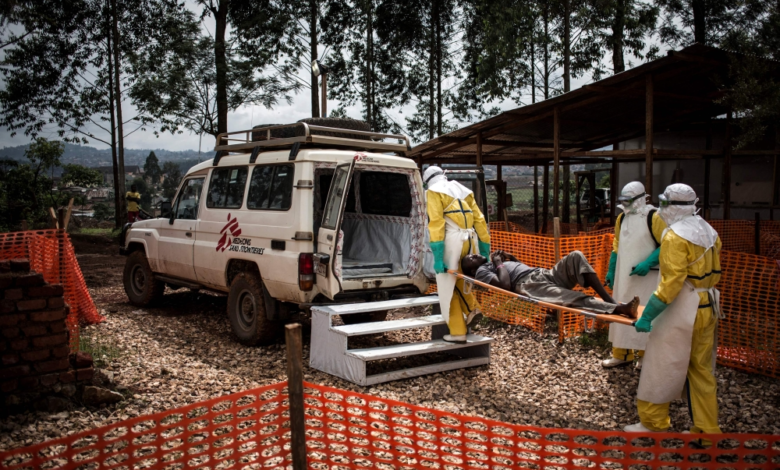
صرح المتحدث باسم الأمم المتحدة، ستيفان دوجاريك، بأن مقاطعة إيتوري تُعد حالياً البؤرة الرئيسية لتفشي الفيروس القاتل. وفي إطار الاستجابة السريعة، تواصل بعثة الأمم المتحدة تقديم دعم لوجستي حيوي لنقل الإمدادات والمعدات الطبية إلى المناطق المتضررة، مع التركيز بشكل خاص على مدينة بونيا التي تعاني من ضغط صحي كبير.
وأوضح دوجاريك أن البعثة الأممية نجحت في نقل أكثر من 4600 كيلوغرام من الإمدادات الطبية الحيوية من العاصمة الكينية نيروبي إلى الكونغو الديمقراطية. وإلى جانب ذلك، تم تخصيص أسطول من الطائرات والمركبات لدعم عمليات الإجلاء الطبي العاجل، وتسهيل عمل فرق تتبع المخالطين للمرضى، وهو إجراء حاسم لكسر سلسلة انتقال العدوى.
مخاوف من تمدد الفيروس جغرافياً
وأشار المتحدث الأممي إلى تزايد المخاوف بشكل ملحوظ من احتمال انتشار الفيروس إلى مقاطعة شمال كيفو المجاورة، وذلك بعد تأكيد تسجيل إصابات جديدة في مدن استراتيجية مثل غوما، وبوتيمبو، وكاتوا. وفي مواجهة هذا الخطر الزاحف، أكد دوجاريك أن الشركاء الصحيين الدوليين والمحليين يعملون على مدار الساعة لتعزيز أنظمة الرصد الوبائي والاستجابة الميدانية السريعة.
وأفاد بأن تفشي المرض يحدث في بيئة شديدة التعقيد، تتسم بموجات النزوح المستمرة، وانعدام الأمن، والقيود المفروضة على الوصول الإنساني بسبب نشاط الجماعات المسلحة، مما يزيد من تعقيد جهود الاستجابة الصحية والإنسانية ويضع حياة العاملين في المجال الطبي على المحك.
الخلفية التاريخية لإيبولا في الكونغو الديمقراطية
لفهم حجم الكارثة، يجب النظر إلى السياق التاريخي؛ فجمهورية الكونغو الديمقراطية تمتلك تاريخاً طويلاً ومؤلماً مع هذا الفيروس منذ اكتشافه لأول مرة عام 1976 بالقرب من نهر إيبولا الذي سُمي المرض تيمناً به. وقد شهدت البلاد العديد من موجات التفشي، كان أبرزها وأكثرها فتكاً التفشي الذي حدث بين عامي 2018 و2020 في شرق البلاد، والذي صُنف كثاني أكبر تفشٍ لفيروس إيبولا في التاريخ المسجل، مما أسفر عن آلاف الضحايا واستدعى تدخلاً دولياً غير مسبوق وحملات تطعيم واسعة النطاق.
التأثير المتوقع والأهمية الإقليمية والدولية
لا يقتصر تأثير تفشي إيبولا في الكونغو على الداخل المحلي فحسب، بل يحمل تداعيات خطيرة على المستويات كافة:
- التأثير المحلي: يفرض الفيروس ضغوطاً هائلة على النظام الصحي الهش أصلاً في الكونغو، ويعطل الحياة الاقتصادية والاجتماعية في المقاطعات الموبوءة، فضلاً عن تفاقم أزمة النازحين داخلياً.
- التأثير الإقليمي: يثير التفشي حالة من الاستنفار القصوى في الدول المجاورة مثل أوغندا، ورواندا، وجنوب السودان. فالحركة النشطة عبر الحدود تزيد من احتمالية انتقال الفيروس، مما يدفع هذه الدول إلى تشديد إجراءات الفحص على المعابر الحدودية وتفعيل خطط الطوارئ الاستباقية.
- التأثير الدولي: تنظر منظمة الصحة العالمية والمجتمع الدولي إلى أي تفشٍ لإيبولا باعتباره تهديداً محتملاً للأمن الصحي العالمي. لذلك، يُعد التدخل السريع للأمم المتحدة وتوفير اللقاحات الفعالة أمراً بالغ الأهمية لمنع تحول هذا التفشي المحلي إلى أزمة صحية عابرة للقارات.
ختاماً، تظل جهود الأمم المتحدة والمنظمات الصحية الدولية حجر الزاوية في معركة الكونغو الديمقراطية ضد إيبولا، إلا أن القضاء النهائي على هذا التهديد يتطلب حلاً جذرياً للأزمات الأمنية والسياسية التي تعصف بالمنطقة، لضمان بيئة آمنة تتيح للفرق الطبية أداء مهامها لإنقاذ الأرواح.