United Nations: 100,000 displaced from Tehran; US strikes target 2,000 sites

Escalating conflict and mass exodus from the Iranian capital
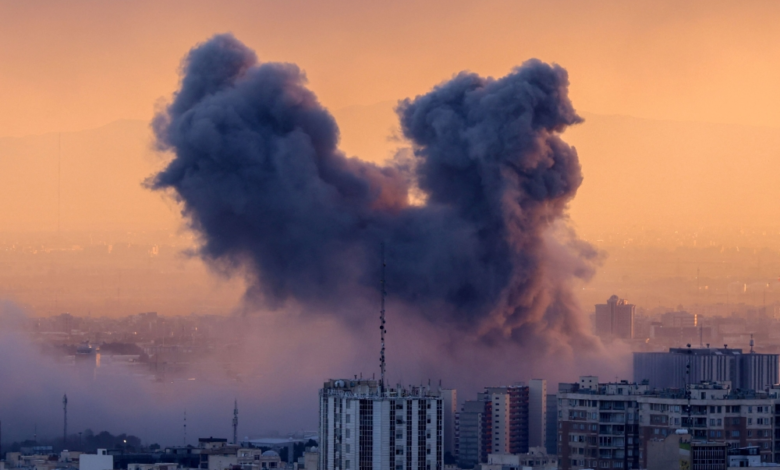
In rapidly escalating developments that have cast a dark shadow over the regional landscape, United Nations a massive exodus from the Iranian capital, Tehran. The international organization confirmed that nearly 100,000 people fled the city in just the first two days of the military operations and the start of the war against Iran . These figures reflect the panic that gripped the civilian population as a result of the intensity of the military operations and the deafening explosions that rocked the capital.
Details of the US strikes: The shock and awe strategy
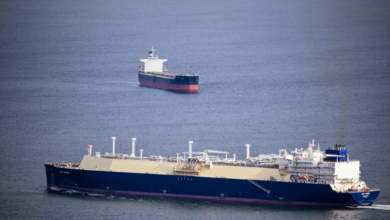
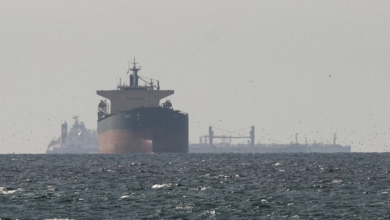
White House spokesperson issued official statements revealing the scale of the firepower used in the attack. She confirmed that US forces had carried out a series of intense and precise air and missile strikes, targeting more than 2,000 vital and strategic Iranian targets. The operations were not limited to land targets but also included the neutralization of naval forces, with the spokesperson stating that more than 20 Iranian vessels . This indicates Washington's ambition to achieve complete control and neutralize Iranian military capabilities in record time.
Humanitarian repercussions and international concerns
This mass exodus from Tehran presents international organizations with enormous logistical and humanitarian challenges. The capital, Tehran, one of the most densely populated cities in the Middle East, is now facing unprecedented pressure on its road networks and access routes to other provinces. Aid experts warn that if the displacement continues at this rate, it could lead to a housing crisis and severe shortages of food and medical supplies for internally displaced persons, necessitating urgent international intervention to ensure safe passage for civilians.
Strategic dimensions of military operations
From a military perspective, targeting 2,000 sites within 48 hours indicates that the United States has adopted a comprehensive offensive strategy aimed at crippling Iranian command and control centers and air defenses from the outset. Furthermore, targeting naval vessels carries clear implications regarding securing navigation in the Strait of Hormuz and the Arabian Gulf, and preventing any Iranian attempts to close these vital waterways. This intensity of firepower confirms that the operation transcends limited warning strikes and reaches the level of a major military operation intended to fundamentally alter the balance of power.
Expected regional and international impact
These developments undoubtedly have far-reaching repercussions that extend beyond Iran's borders. The international community is watching with grave concern the potential for the conflict to escalate and involve other regional actors, in addition to the direct impact on global energy markets and oil prices. This war places the entire region at a dangerous historical crossroads, as diplomatic efforts intensify behind the scenes to try to contain the situation before it descends into widespread chaos that could prove difficult to control.