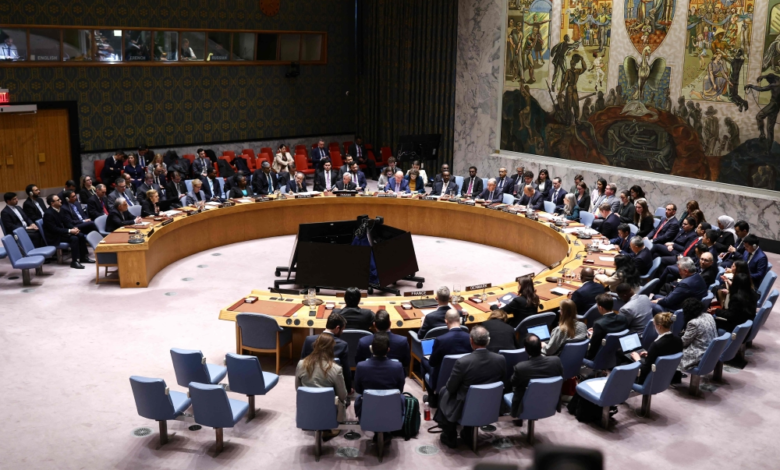

مجلس الأمن يعقد جلسة طارئة بطلب روسي
يعقد مجلس الأمن الدولي اليوم جلسة مشاورات مغلقة طارئة لمناقشة التطورات الأخيرة والتصعيد المستمر في منطقة الشرق الأوسط، وذلك بناءً على طلب رسمي تقدمت به روسيا الاتحادية. وتأتي هذه الجلسة في ظل توترات غير مسبوقة تشهدها المنطقة، حيث تسعى القوى الكبرى لاحتواء الموقف. وقد حددت الولايات المتحدة الأمريكية، التي تتولى الرئاسة الدورية لمجلس الأمن خلال هذا الشهر، موعد انعقاد الجلسة في تمام الساعة الثانية بتوقيت غرينتش.
تفاصيل الطلب الروسي واستهداف البنية التحتية
وفي تفاصيل التحرك الدبلوماسي، نقلت وكالة “تاس” الروسية الرسمية للأنباء عن يفغيني أوسبينسكي، المتحدث باسم المندوب الروسي الدائم لدى الأمم المتحدة، تأكيده أن موسكو دعت إلى هذا الاجتماع المغلق بشكل عاجل. وأوضح أوسبينسكي أن السبب الرئيسي وراء هذا الطلب هو “استمرار الضربات والهجمات التي تستهدف البنية التحتية المدنية في إيران”، مشيراً بشكل خاص إلى تضرر المنشآت التعليمية والصحية. وتعتبر موسكو أن استهداف هذه الأعيان يمثل انتهاكاً صارخاً للقوانين والأعراف الدولية التي تنص على ضرورة تحييد المدنيين والمنشآت المدنية أوقات النزاعات المسلحة.
السياق العام والخلفية التاريخية للتصعيد
تأتي هذه التطورات في سياق تاريخي معقد يتسم بصراع طويل الأمد في الشرق الأوسط. تاريخياً، شهدت العلاقات بين إيران وإسرائيل “حرب ظل” استمرت لسنوات، تخللتها هجمات سيبرانية، واغتيالات، وضربات متبادلة عبر وكلاء في المنطقة. ومع اندلاع الحرب في قطاع غزة في أكتوبر 2023، اتسعت رقعة الصراع لتشمل جبهات متعددة، مما أدى إلى تحول المواجهات غير المباشرة إلى ضربات عسكرية مباشرة ومكشوفة بين الأطراف الإقليمية. هذا التحول الخطير وضع المجتمع الدولي أمام تحديات غير مسبوقة لمنع انزلاق المنطقة بأكملها إلى حرب إقليمية شاملة. وتلعب روسيا دوراً استراتيجياً في هذا السياق، حيث ترتبط بعلاقات سياسية وعسكرية واقتصادية وثيقة مع طهران، مما يفسر تحركها الدبلوماسي السريع في أروقة الأمم المتحدة للدفاع عن المصالح الإيرانية وتسليط الضوء على الهجمات التي تتعرض لها.
أهمية الحدث وتأثيره المتوقع إقليمياً ودولياً
تحمل هذه الجلسة المغلقة أهمية بالغة على عدة مستويات. محلياً وإقليمياً، تسلط الضوء على خطورة استهداف البنية التحتية في إيران، مما قد يدفع طهران لاتخاذ قرارات حاسمة بشأن كيفية الرد، وهو ما ينعكس مباشرة على أمن الخليج العربي ومضيق هرمز، الذي يعد الشريان الحيوي لإمدادات الطاقة العالمية. أي تصعيد إضافي قد يؤدي إلى اضطرابات حادة في أسواق النفط العالمية. أما على الصعيد الدولي، فإن الجلسة تبرز الاستقطاب الحاد داخل مجلس الأمن، خاصة بين روسيا الداعمة لإيران، والولايات المتحدة الداعمة لحلفائها في المنطقة. هذا الانقسام يجعل من الصعب استصدار قرارات ملزمة أو بيانات إدانة موحدة، لكنه في الوقت ذاته يضع ضغوطاً سياسية ودبلوماسية كبيرة على الأطراف المعنية. كما أن التركيز الروسي على استهداف “المنشآت التعليمية والصحية” يفتح باب النقاش القانوني الدولي حول ضرورة احترام القانون الدولي الإنساني، مما قد يؤثر على مسار التحركات الدبلوماسية المستقبلية لخفض التصعيد وإرساء الاستقرار في الشرق الأوسط.