
The Security Council issues a broad condemnation of Iranian actions
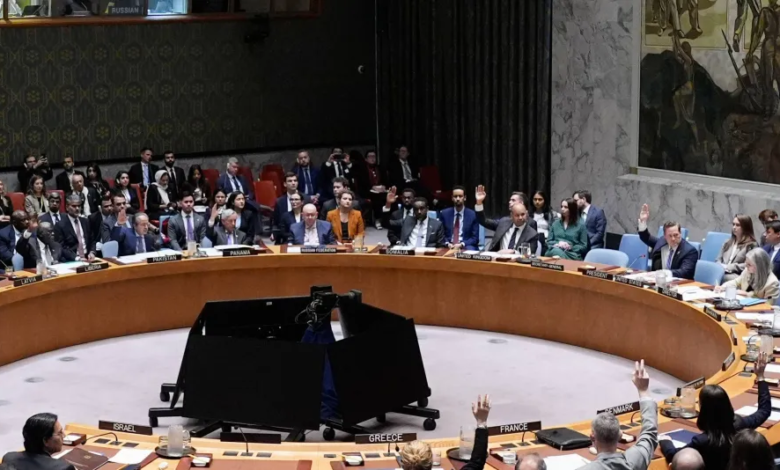
In a move reflecting growing international concern about stability in the Middle East, the UN Security Council issued a strongly worded condemnation of Iranian attacks and interference targeting Gulf Arab states and the Hashemite Kingdom of Jordan. This condemnation comes at a time of unprecedented geopolitical tensions in the region, necessitating decisive intervention from the international community to ensure the security and safety of regional states and protect their national sovereignty from ongoing violations.
General context and historical background of the tensions
Historically, Iranian policies in the Middle East have been a source of ongoing concern for both neighboring countries and the international community. Tehran has relied on supporting armed militias and proxy groups in several Arab states, contributing to regional instability. In recent years, Gulf states, particularly Saudi Arabia and the United Arab Emirates, have been subjected to repeated attacks using drones and ballistic missiles, targeting vital and civilian infrastructure, such as the infamous attacks on Aramco facilities in 2019 and the attacks on Abu Dhabi in 2022.
As for Jordan, security challenges have recently become more pronounced, particularly with the escalation of arms and drug smuggling attempts across the Syrian border, supported by Iranian-backed militias, as well as the airspace violations the Kingdom has witnessed during the recent Iranian escalation in the region. Jordan has repeatedly affirmed that it will not allow its territory or airspace to become an arena for settling regional scores and has intercepted any aircraft that threaten the security of its citizens and its sovereignty.
The importance of the event and its expected impact locally, regionally, and internationally
The Security Council's condemnation carries significant strategic importance on several levels. Locally and regionally, this move represents substantial political and diplomatic support for the Gulf states and Jordan in their legitimate right to defend their sovereignty and national security. It also sends a firm message to Tehran that it must cease its policies of interfering in the internal affairs of Arab states and respect the principles of good neighborliness and international law.
At the international level, the Security Council's stance reflects a global understanding of the seriousness of Iranian escalation to international peace and security. The Arabian Gulf region is a vital artery for global energy supplies, and any threat to its security directly impacts the global economy and market stability. Furthermore, Jordan's stability is a cornerstone of peace in the Levant and the Middle East as a whole, and any threat to its security constitutes a direct threat to regional security.
Calls for calm and diplomatic solutions
In closing, the Security Council stressed the need to return to dialogue and diplomacy to resolve regional disputes. It called on the international community to intensify efforts to reach binding agreements that prevent the proliferation of advanced weapons, such as drones and missiles, and guarantee freedom of navigation in international waterways. The international community's commitment to implementing Security Council resolutions is the first step toward building a secure and stable Middle East, free from the specter of ongoing wars and conflicts that have depleted the region's resources.