Security Council resolution against Iran: Condemning attacks on the Gulf and Jordan

Details of the Security Council resolution against Iran
In a decisive move reflecting the international consensus on the need to preserve security and stability in the Middle East, the UN Security Council adopted a strongly worded resolution on Wednesday explicitly condemning Iran's brutal attacks targeting Gulf Arab states and the Hashemite Kingdom of Jordan. The resolution demanded an immediate end to these attacks, which threaten regional and international peace and security.
The resolution received broad support, as it was adopted by a majority of 13 votes from the members of the Council, while Russia and China chose to abstain from voting, a position that reflects the complex geopolitical balances, but at the same time it passes the resolution without the use of the veto, thus giving it the necessary international legitimacy for implementation.
Protecting international navigation in the Strait of Hormuz
The resolution included a clear and explicit condemnation of “any act or threat” by Tehran aimed at closing, obstructing, or interfering in any way with international shipping in the Strait of Hormuz. The importance of this clause stems from the vital strategic and economic significance of the Strait of Hormuz, one of the world’s most important waterways, through which approximately one-fifth of the world’s oil production passes. Any threat to this waterway not only affects the security of the Gulf states but also poses a direct threat to global energy supplies and the international economy as a whole.
Regional context and Bahraini diplomatic role
This diplomatic move culminated in concerted efforts by countries in the region to protect their sovereignty and the security of their citizens. In this context, the Kingdom of Bahrain played a pivotal role, distributing and submitting the draft resolution on behalf of the Gulf Cooperation Council (GCC) states and Jordan, as chair of the 46th session. This joint coordination reflects the unified Gulf and Arab stance in confronting shared security challenges.
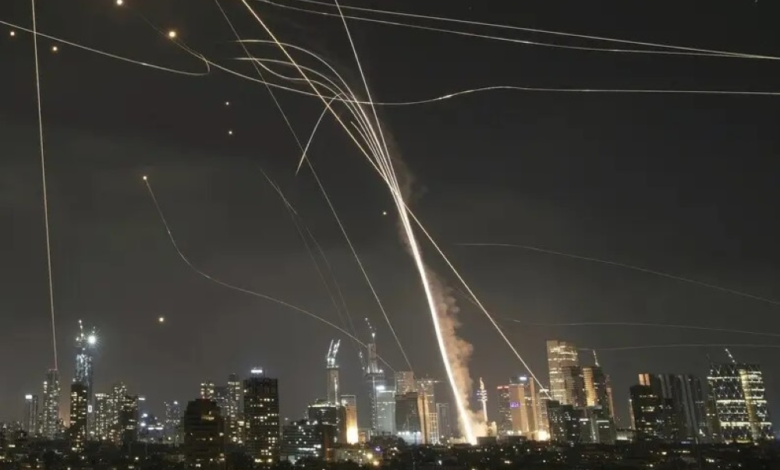
The resolution also strongly condemned Iran’s targeting of civilians and civilian objects, a flagrant violation of international humanitarian law. The repeated use of drones and ballistic missiles to target civilian infrastructure in the region was a key impetus for the international community to take action to end these practices.
The expected impact of the decision on the international stage
This decision is expected to have a multifaceted impact. Locally and regionally, it provides the Gulf states and Jordan with strong legal and international backing to bolster their joint defenses and demand increased diplomatic and economic pressure on Tehran to halt its interventions. Internationally, the decision sends a firm message that the international community will not tolerate any attempts to destabilize global energy markets or threaten maritime trade routes.
Historically, the Arabian Gulf region has witnessed intermittent tensions related to maritime security and regional interventions, but the issuance of a Security Council resolution of this clarity represents a turning point in the international approach to the Iranian issue, and places Tehran before its legal and political responsibilities before the international community, which may pave the way for a new phase of security arrangements in the Middle East region.