Emergency Security Council meeting to discuss Iran war and developments in the Middle East

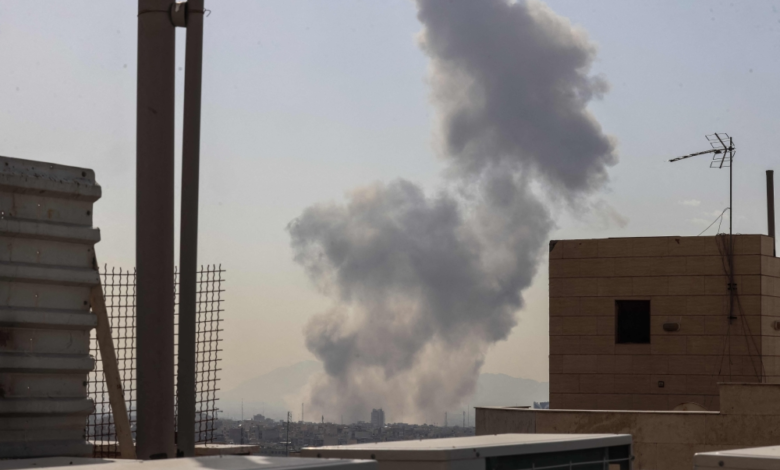
The United Nations has officially announced that the Security Council will hold an emergency and crucial meeting at 9:00 PM GMT today to discuss the rapidly escalating and dangerous developments in the "situation in the Middle East" file, with a particular focus on the widening circle of conflict involving Iran.
This announcement comes at a time of intense diplomatic activity in New York aimed at containing the situation, with UN Secretary-General António Guterres strongly condemning what he described as a "dangerous escalation" in the region. Guterres issued an urgent appeal to all parties involved, calling for an "immediate cessation of hostilities" to prevent the region from sliding into a full-blown war with potentially disastrous consequences.
Background to the tension and timing of the meeting
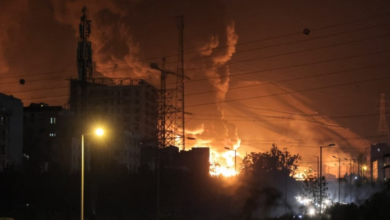
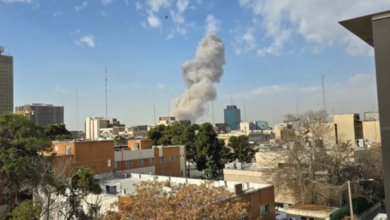
This meeting is of exceptional importance given its timing, coinciding with field and political reports indicating that tensions have reached a point of no return. The call for the meeting comes amidst alarming indicators, including reports that Iranian authorities have urged residents of Tehran to take precautionary measures or leave the capital, reflecting the seriousness of the looming military risks. While the Middle East has long been an arena for geopolitical rivalries, recent developments have shifted the conflict from proxy wars or limited skirmishes to direct confrontations that threaten international peace and security.
The role of the Security Council and intervention mechanisms
Procedurally, the Security Council convenes under the UN Charter, which grants it primary responsibility for maintaining international peace and security. In such emergencies, its fifteen members (permanent and non-permanent) seek to issue a binding resolution or presidential statement calling for de-escalation. However, these meetings often face significant challenges due to differing viewpoints among the permanent members, who possess veto power, potentially hindering the adoption of swift and decisive resolutions despite the severity of the situation on the ground.
Potential regional and international repercussions
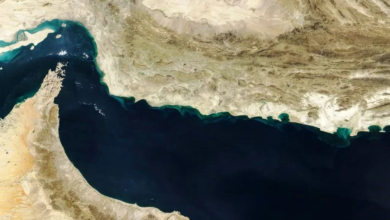
The effects of this conflict are not confined to the geographical borders of the warring states, but extend to far-reaching global repercussions. The world is watching the outcome of this meeting with great concern, as any large-scale war involving Iran would directly impact global energy security, shipping lanes in vital straits, and the global economy and financial markets.
Furthermore, the international community fears a worsening of the humanitarian crisis in the region, as military operations typically lead to large-scale displacement and immense pressure on infrastructure and relief resources. Tonight's meeting is expected to focus not only on the military and political aspects, but also on the need to open safe corridors and ensure the protection of civilians under international humanitarian law, a point emphasized by Guterres in his remarks ahead of the session.