United Nations: A turning point for the future of Gaza and a serious deterioration in the West Bank

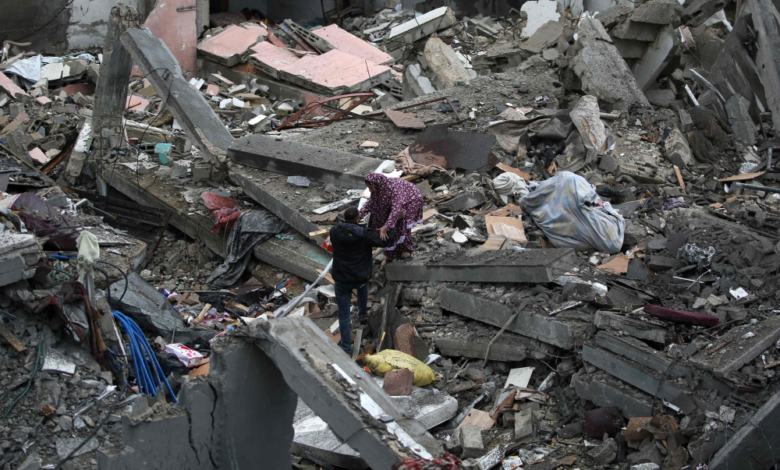
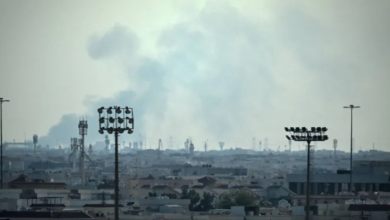
During its monthly session dedicated to the situation in the Middle East, the UN Security Council discussed the rapidly evolving situation in the Palestinian territories, at a time when the region is witnessing a critical historical juncture. This session comes amidst extremely complex humanitarian and political circumstances, as the international community focuses its efforts on finding sustainable solutions that will end the cycle of violence and establish a new era of stability.
In his briefing to the Council, the Deputy Special Coordinator for the Middle East Peace Process, Ramiz Alekperov, affirmed that the Gaza Strip stands today before a genuine opportunity and a potential turning point towards a better future, despite the enormous challenges. He noted that this opportunity requires concerted international efforts to translate hopes into tangible reality, while simultaneously emphasizing the alarming contrast between the potential positive prospects in Gaza and the continued deterioration of the security and humanitarian situation in the West Bank.
Features of the peace and reconstruction plan
The UN official reviewed crucial details concerning ongoing diplomatic efforts, explaining that the announcement of the second phase of the comprehensive 20-point plan proposed by US President Donald Trump represents a decisive step forward. This plan aims to establish a permanent ceasefire in Gaza, alongside institutional measures including the creation of a "Peace Council," the formation of a national committee to manage Gaza, and the establishment of the Office of the High Representative for the Gaza Strip. This new structure is intended to regulate security and administration in the Strip to ensure that conflict does not recur.
In a related context, Akbarov highlighted the importance of the recent meeting he held in Cairo, which focused on exploring the best support mechanisms the United Nations can provide. These efforts center on delivering essential public services currently lacking for the population, facilitating the unimpeded flow of humanitarian aid, and laying a solid foundation for a comprehensive reconstruction of Gaza. He noted that the scale of the destruction necessitates an urgent international response to save millions of lives.
Challenges in the West Bank and the role of UNRWA
On the other side of the Palestinian scene, the UN Deputy Coordinator painted a grim picture of the situation in the West Bank. He noted that the region is suffering the repercussions of a large-scale Israeli offensive, coinciding with an unprecedented expansion of settlements, escalating settler violence against Palestinian civilians, and the continued demolitions and mass arrests that undermine any chance of de-escalation.
Al-Akbarov concluded his remarks by warning against the sharp escalation in the pressure campaign against the United Nations Relief and Works Agency for Palestine Refugees (UNRWA). He emphasized that attempts to end the agency's operations in the occupied Palestinian territory pose a direct threat to the lifeline of millions of refugees and blatantly disregard international humanitarian conventions, calling on the international community to uphold its responsibilities in protecting this vital UN institution.