Security Council pledges and Gaza: Implementation challenges and the reality on the ground

The pledges and resolutions issued by the UN Security Council and the international community regarding the situation in the Gaza Strip face a real and difficult test in terms of translating them into tangible reality on the ground. While diplomatic calls and UN resolutions demanding a ceasefire or increased humanitarian aid flow continue, these aspirations are thwarted by immense complexities on the ground and ongoing military operations that prevent any real breakthrough in this intricate situation.
The gap between diplomacy and the reality on the ground
Historically, international resolutions concerning the Israeli-Palestinian conflict have always suffered from the dilemma of implementation. In the current context of the war on Gaza, this gap is widening to an unprecedented degree. Despite the issuance of resolutions calling for the protection of civilians and the facilitation of aid access, implementation mechanisms remain absent or paralyzed due to the lack of binding political will among the warring parties, and the use of the veto or the threat thereof, which empties the resolutions of their binding content and transforms them into mere political statements that do nothing to change the reality of the suffering.
Military and logistical complexities
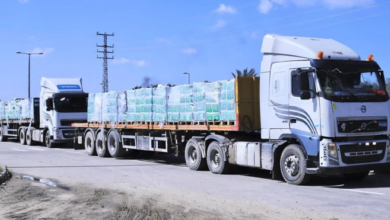
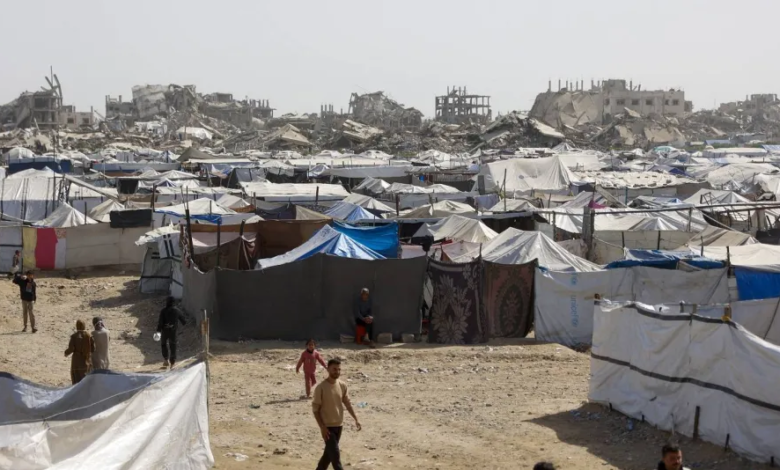
On the ground, the ongoing military operations have created a reality that precludes the implementation of any pledges of “peace” or de-escalation. The massive destruction of infrastructure in the Gaza Strip, the fragmentation of cities, and the continued aerial and artillery bombardment make distributing aid or securing safe passage for civilians virtually impossible. Furthermore, the overlapping front lines and the lack of genuine security guarantees for international aid teams put the lives of humanitarian workers at risk, further hindering the delivery of aid to those in need.
Human dimensions and the worsening crisis
These complications come at a time when international organizations are warning of an unprecedented humanitarian catastrophe, with the specter of famine looming over hundreds of thousands of residents in both the northern and southern parts of the Gaza Strip. The test of implementation facing the "peace pledges" is not merely about a ceasefire, but about the ability to salvage the collapsing healthcare system and provide food and clean drinking water. Failure to translate these pledges into immediate action will condemn thousands of besieged people to a slow death, jeopardizing the credibility of international institutions and international humanitarian law.
Regional and international repercussions
The impact of this failure to implement resolutions extends far beyond Gaza, casting a shadow over the stability of the entire region. The continuation of the war without a clear political or humanitarian horizon increases the risk of the conflict spreading to other fronts in the region, thus threatening international peace and security. Therefore, the success or failure of the Security Council and the international community in this test will shape the next phase in the Middle East and will have long-term repercussions for international relations and the concept of collective security.