
Amid escalating geopolitical tensions in the Middle East, the United Nations strong warnings about the serious repercussions of continued hostilities in the Gulf region, stressing that targeting energy infrastructure could lead to a global economic catastrophe.
UN Spokesperson Stéphane Dujarric all parties involved to immediately de-escalate and completely cease military operations, which have entered their fourth day at an accelerating pace. Dujarric stressed the need to return to the negotiating table and prioritize diplomatic solutions, particularly in the wake of the extensive and reciprocal military strikes between the United States and Israel on one side, and Iran on the other, the repercussions of which have affected several countries in the region.
Regional context and developments in the conflict
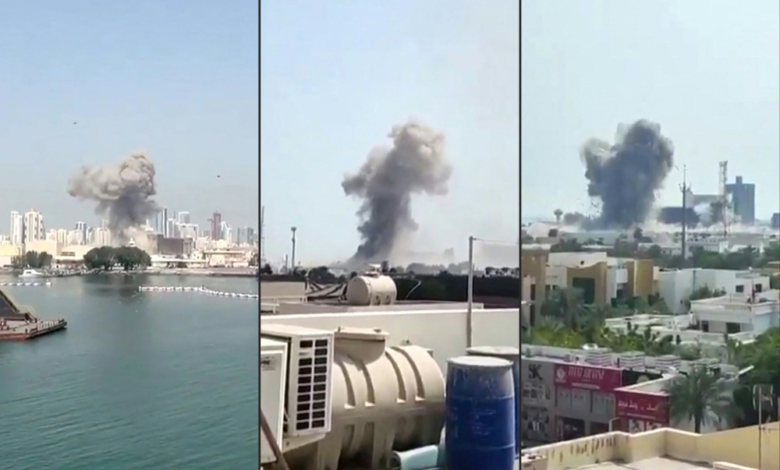
These UN warnings come at a time of unprecedented turmoil in the region, where the conflict has escalated from limited skirmishes to direct confrontations that threaten the stability of the entire region. Historically, the Arabian Gulf has always been a sensitive focal point in international balances due to its strategic location and oil wealth. However, recent developments, including reciprocal attacks and targeting of strategic depth in neighboring countries, indicate a qualitative shift in the rules of engagement, raising the risk of sliding into a full-blown regional war that could prove difficult to control.
Global economic risks
In discussing economic risks, Dujarric highlighted a crucial point regarding global energy security, stating: “Continued attacks on energy infrastructure in the Gulf region could have a significant and disastrous impact on the global economy, which remains heavily dependent on oil.”.
Economic experts point out that any real threat to oil supplies through the Strait of Hormuz, or any targeting of refineries and export terminals in the Gulf, would inevitably lead to dramatic increases in energy prices. This would exacerbate global inflation rates, which are already affecting both major and emerging economies, potentially reviving the specter of a global recession.
Human and social cost
Alongside the economic and political dimensions, the international organization did not overlook the painful humanitarian aspect of this conflict. The UN spokesperson pointed to the alarming rise in civilian casualties and the devastating humanitarian consequences affecting populations across the region, including waves of forced displacement and the destruction of civilian infrastructure. These facts confirm that the continuation of armed conflict will only bring further suffering to the people, necessitating urgent international intervention to impose a ceasefire and protect civilians in accordance with international humanitarian law.