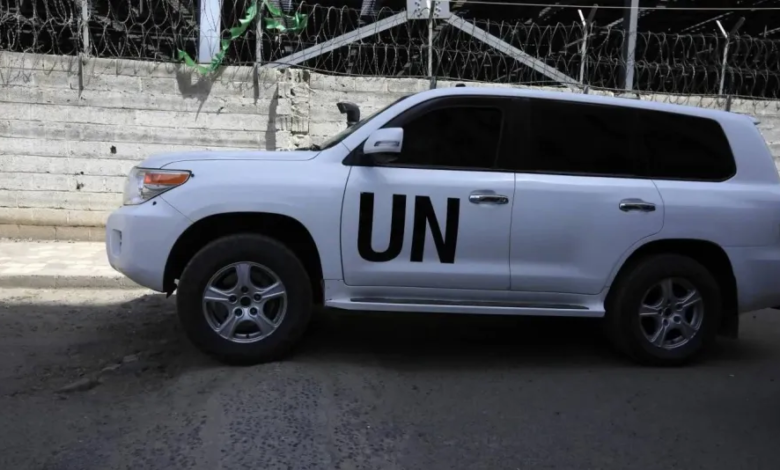

The United Nations has issued strong warnings about the serious repercussions of the Houthi group's continued detention of a large number of staff members from UN agencies and international and local aid organizations in Yemen. The international organization stressed that these arbitrary practices not only constitute a flagrant violation of international law but also threaten to undermine humanitarian efforts in a country suffering from one of the world's worst humanitarian crises.
Threatening the lifeline of millions of Yemenis
UN reports indicate that the arrest campaigns targeting dozens of humanitarian workers are creating a dangerous working environment, hindering organizations' ability to reach the most vulnerable populations. More than two-thirds of Yemen's population relies on humanitarian aid for survival, as basic services have collapsed and the local currency has plummeted. Targeting workers in this vital sector is obstructing the flow of food and medicine, raising the specter of famine and outbreaks of diseases that organizations have been striving to contain.
Context of the ongoing conflict and humanitarian crisis
To understand the gravity of this escalation, it is essential to consider the broader context of the Yemeni crisis, which erupted after the Houthis seized control of the capital, Sana'a, in 2014. For nearly a decade, the war has devastated infrastructure and the economy, leaving humanitarian aid as the only remaining pillar preventing the complete collapse of society. While international organizations have long faced bureaucratic and security challenges in Houthi-controlled areas, this latest wave of detentions represents an unprecedented escalation targeting local staff who form the backbone of relief operations.
International repercussions and fears of funding cuts
Internationally, these detentions have sparked a wave of diplomatic condemnation, with numerous countries and human rights organizations calling for the immediate and unconditional release of those detained. Experts warn that the continuation of these violations could prompt donor countries to reconsider their funding mechanisms or reduce their support for Yemen, fearing that aid will not reach those who need it or that aid workers will be endangered. Any reduction in international funding would have direct and disastrous consequences for ordinary Yemenis, who are already bearing the brunt of the political and military conflicts.
In conclusion, the United Nations stressed the need to respect the immunities and privileges enjoyed by its staff under international law, emphasizing that protecting humanitarian workers is not an option but a legal and moral obligation to ensure the continued flow of life-saving aid.