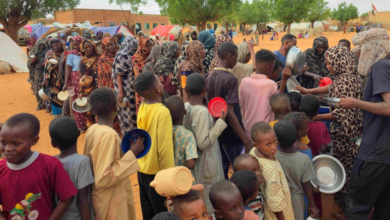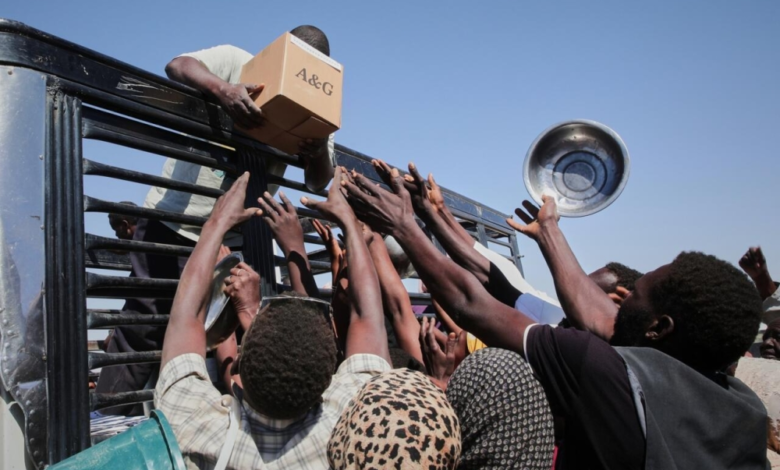

في تحذير خطير يعكس حجم التداعيات العالمية، أطلق برنامج الأغذية العالمي التابع للأمم المتحدة ناقوس الخطر بشأن تفاقم أزمة الشرق الأوسط، مؤكداً أنها تدفع ملايين الأشخاص الإضافيين نحو حافة الجوع وانعدام الأمن الغذائي في عدد من الدول الأكثر هشاشة حول العالم. هذا التصعيد لا يهدد فقط استقرار المنطقة، بل يلقي بظلاله القاتمة على الأمن الغذائي العالمي، مما ينذر بكارثة إنسانية وشيكة إذا لم يتم تدارك الموقف بشكل عاجل.
وأوضح البرنامج الأممي أن دولاً مثل الصومال وأفغانستان وسريلانكا، التي تعاني بالفعل من تحديات اقتصادية وسياسية وبيئية، تجد نفسها اليوم في مواجهة مباشرة مع موجة جديدة من المعاناة. فالارتفاع الحاد في أسعار الوقود والغذاء والأسمدة، والذي تفاقم بسبب الاضطرابات في سلاسل الإمداد العالمية المرتبطة بالمنطقة، يزيد من الضغوط على الأسر الفقيرة ويعرقل بشكل كبير العمليات الإنسانية القائمة، مما يجعل الوصول إلى المحتاجين أكثر صعوبة وتكلفة.
جذور الأزمة وتأثيرها على شرايين الاقتصاد العالمي
تعتبر منطقة الشرق الأوسط تاريخياً نقطة ارتكاز جيوسياسية واقتصادية للعالم بأسره. فهي لا تضم فقط احتياطيات ضخمة من الطاقة، بل تشكل أيضاً ممراً حيوياً لأهم طرق التجارة البحرية العالمية. أي اضطراب أو صراع في هذه المنطقة يتردد صداه فوراً في الأسواق العالمية، مؤدياً إلى تقلبات حادة في أسعار النفط، وبالتالي ارتفاع تكاليف الشحن والنقل والإنتاج الصناعي والزراعي. هذه الآثار المترابطة تضرب الاقتصادات النامية والهشة بقوة أكبر، حيث تعتمد بشكل أساسي على استيراد الغذاء والوقود، وتفتقر إلى شبكات الأمان الاجتماعي القادرة على امتصاص مثل هذه الصدمات العنيفة.
من هم الأكثر تضرراً من تداعيات أزمة الشرق الأوسط؟
بينما يشعر العالم بأسره بآثار ارتفاع الأسعار، فإن العبء الأكبر يقع على كاهل المجتمعات التي تعيش بالفعل على حافة الهاوية. وحذر برنامج الأغذية العالمي من أن أكثر من 9 ملايين شخص يعتمدون على المساعدات الغذائية قد يفقدون هذا الشريان الحيوي خلال العام الجاري إذا استمرت الأزمة الحالية. السيناريو الأكثر تشاؤماً، والذي بدأ يتحقق بالفعل، يشير إلى أن استمرار أزمة الشرق الأوسط وما يصاحبها من ارتفاع في أسعار الطاقة قد يدفع بنحو 45 مليون شخص إضافي إلى دائرة الجوع الحاد. هذا الرقم لا يمثل مجرد إحصائية، بل هو قصص لملايين الأسر التي ستضطر إلى اتخاذ خيارات مستحيلة بين إطعام أطفالها أو الحصول على الرعاية الصحية أو التعليم.
وفي مواجهة هذا الواقع المقلق، دعا البرنامج إلى توفير تمويل عاجل وفوري لتمكين المنظمات الإنسانية من الاستجابة للاحتياجات المتزايدة وتجنب كارثة يمكن أن تزعزع استقرار مناطق بأكملها وتؤدي إلى موجات نزوح جديدة وتفاقم الصراعات القائمة.