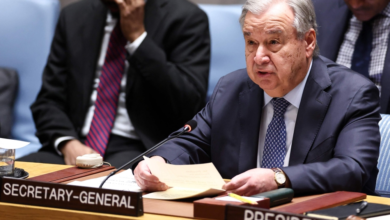
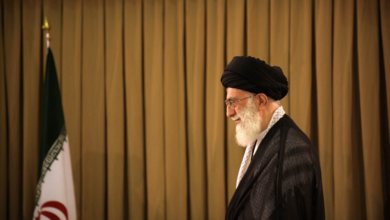
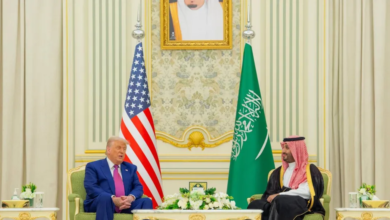
UN warns of dangerous escalation in the Middle East and calls for de-escalation

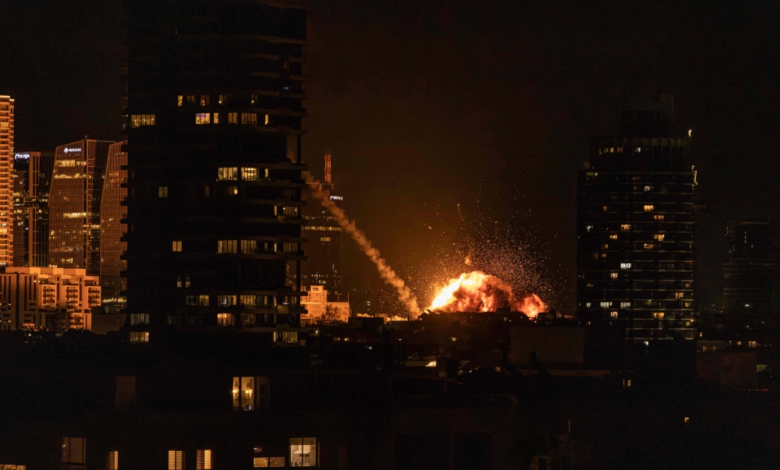
Amidst the rapidly unfolding events and escalating geopolitical tensions, key international players, including prominent figures at the United Nations and European diplomats, have issued stark warnings about the dangers of sliding into a wider regional conflict in the Middle East. These warnings coincide with the UN General Assembly meetings, where German Foreign Minister Annalena Baerbock called for an immediate de-escalation, emphasizing that the region is teetering on the brink.
Calls for adherence to the United Nations Charter
In an official statement reflecting the international community's concern, Baerbock affirmed that the UN Charter remains the fundamental framework to which states must adhere during times of crisis. The Charter clearly stipulates that international disputes must be settled peacefully, in a manner that does not jeopardize international peace and security. The Minister emphasized the necessity for states to refrain from threatening or using force against the territorial integrity or political independence of any state in their international relations, asserting that any ill-considered military action could lead to catastrophic and uncontrollable consequences.
Context of the conflict and its historical background
These current warnings cannot be separated from the broader context of the region since the outbreak of war in the Gaza Strip in October 2013, and its subsequent repercussions that extended to other fronts. The Lebanese border has witnessed unprecedented tensions, in addition to the exchange of attacks involving multiple regional actors. This complex situation is reminiscent of previous crises in the region, but the current variables, the overlapping of international interests, and the presence of non-state actors armed with sophisticated weaponry make the present situation more dangerous and complex than ever before.
Expected regional and international impacts
The dangers of escalation in the Middle East extend beyond neighboring countries to encompass international peace and security. Observers believe that the widening of the conflict could lead to:
- Global economic crises: Given the region's importance as a major energy source and a vital corridor for global trade, any all-out war could lead to a dramatic rise in oil prices and disruption of supply chains.
- New waves of displacement: The conflict could cause humanitarian disasters that push millions of refugees towards neighboring countries and Europe, exacerbating the humanitarian and economic burdens.
- Threat to international security: The involvement of major international powers in the conflict could lead to a sharp global polarization that hinders diplomatic efforts to resolve other crises around the world.
Return to the diplomatic track
In closing, she called on international and UN parties to prioritize reason and return to the negotiating table. She emphasized that military solutions have only brought destruction to the region and that diplomacy is the only way to guarantee lasting security for all the peoples of the Middle East, warning against dragging neighboring countries into a quagmire of violence that will consume everything.