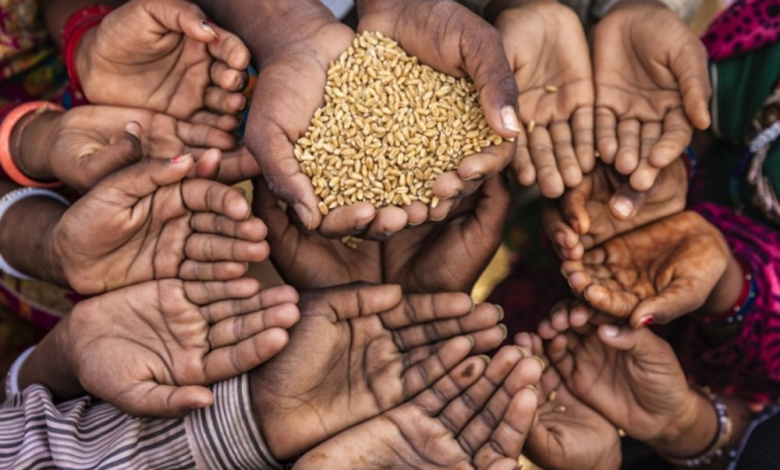

حذرت الأمم المتحدة من أن السيناريوهات “المتشائمة” التي طالما خشيت منها بشأن تداعيات حرب الشرق الأوسط بدأت تتحول إلى واقع ملموس، مما يهدد بدفع عشرات الملايين من الأشخاص حول العالم إلى براثن الجوع الحاد. ويأتي هذا التحذير الصريح في وقت تتصاعد فيه التوترات الجيوسياسية وتتأثر به أسواق الطاقة والغذاء العالمية بشكل مباشر، مما ينذر بأزمة إنسانية واسعة النطاق إذا طال أمد الصراع.
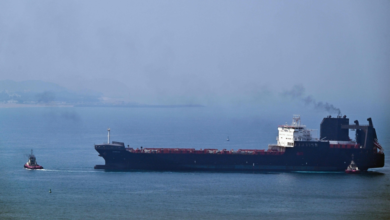
بعد أسابيع قليلة من الضربات الأمريكية-الإسرائيلية على إيران في 28 فبراير، والتي أشعلت فتيل الصراع وأحدثت اضطرابات حادة في أسواق الطاقة العالمية، أكد برنامج الأغذية العالمي أن ارتفاع أسعار النفط يهدد الأمن الغذائي العالمي بشكل مباشر وخطير. هذه التطورات لم تكن مفاجئة للمنظمات الدولية التي تراقب عن كثب استقرار المنطقة، والتي تعد شريانًا حيويًا للطاقة العالمية، حيث يمر عبر مضيق هرمز، الذي تطل عليه إيران، جزء كبير من إمدادات النفط العالمية.
شرارة الصراع تهز أسواق الطاقة العالمية
لم تكن المنطقة بحاجة إلى مزيد من التوترات، فالصراعات القائمة بالفعل، إلى جانب التحديات الاقتصادية العالمية وتغير المناخ، وضعت الأمن الغذائي العالمي على حافة الهاوية. لكن اندلاع المواجهات المباشرة أدى إلى تفاقم الوضع بشكل دراماتيكي. فبمجرد بدء العمليات العسكرية، قفزت أسعار النفط الخام، وهو ما أثر بشكل متسلسل على تكاليف الشحن والنقل والإنتاج الزراعي الذي يعتمد بشكل كبير على الوقود والأسمدة المشتقة منه. هذا التصعيد يضع ضغوطًا هائلة على الدول المستوردة للغذاء والوقود، خاصة تلك التي تعاني اقتصاداتها من الهشاشة بالفعل.
من أسعار النفط إلى رغيف الخبز: كيف تؤثر تداعيات حرب الشرق الأوسط على الأمن الغذائي؟
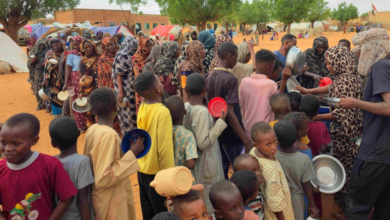
في تحليله الذي صدر في مارس، حذر برنامج الأغذية العالمي من أنه إذا استقرت أسعار النفط عند حوالي 100 دولار للبرميل حتى نهاية يونيو، فإن نحو 45 مليون شخص إضافي حول العالم سيواجهون الجوع الحاد. هؤلاء ينضمون إلى ما يقارب 320 مليون شخص كانوا يعانون بالفعل من انعدام الأمن الغذائي الحاد في بداية العام. والآن، بعد مرور قرابة ثلاثة أشهر على اندلاع النزاع، صرح جان مارتن باور، مدير قسم تحليل الغذاء والتغذية في البرنامج، بأن “السيناريو المتشائم بدأ يتحقق”.
وأوضح باور أن إغلاق مضيق هرمز، حتى لو كان جزئيًا، سيؤدي إلى “تفاقم الجوع”، مشيرًا إلى الارتفاع الحاد الذي شهدته أسعار المواد الغذائية الأساسية كالأرز والقمح. وأضاف: “للأسف، بدأت التوقعات المتشائمة التي صدرت في وقت سابق من هذا العام تتحقق، وعلينا التحرك فورًا”. وبحسب تحليل البرنامج، فإن الأزمة الحالية تُحدث تداعيات خطيرة من خلال أزمات أسعار الوقود والغذاء والمداخيل، فضلًا عن اضطرابات التجارة. وعندما تتفاعل هذه العوامل مع مواطن الضعف القائمة، فإنها سرعان ما تتحول إلى آثار ملموسة على الأمن الغذائي وسبل العيش للملايين.