
أطلقت منظمة الأمم المتحدة للطفولة (اليونيسف) تحذيراً قوياً بشأن التداعيات الخطيرة الناجمة عن ارتفاع تكاليف النقل العالمية والاضطرابات التي تشهدها سلاسل الإمداد الدولية، مؤكدة أن هذه الأزمة تفرض تحديات جسيمة أمام عملياتها الإنسانية الموجهة لإنقاذ حياة الأطفال في مختلف أنحاء العالم. وأوضحت المنظمة أن هذه العقبات لا تؤثر فقط على ميزانياتها، بل تهدد بشكل مباشر وصول الإمدادات الحيوية إلى الفئات الأكثر ضعفاً.
وفي هذا السياق، صرح جان سيدريك ميوس، رئيس قسم النقل والخدمات اللوجستية العالمية في اليونيسف، بأن “زيادة نفقات الشحن والتأخير في وصول الإمدادات يؤثران بشكل مباشر على توفير اللقاحات والأغذية العلاجية والمواد الأساسية للأطفال”. وأشار إلى أن بعض الشحنات الحيوية قد تتأخر لفترات طويلة تصل إلى ستة أشهر، وهو تأخير قد يعني الفرق بين الحياة والموت لطفل يعاني من سوء التغذية الحاد أو يحتاج إلى تطعيم عاجل.
أسباب متشابكة وراء أزمة الشحن العالمية
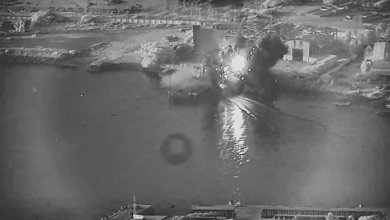
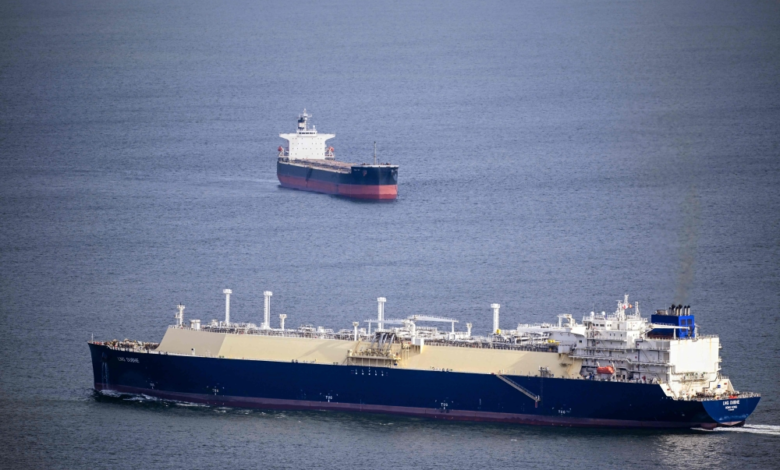
تعود أزمة الشحن الحالية إلى مجموعة معقدة من العوامل التي تفاقمت خلال السنوات القليلة الماضية. فبعد الاضطرابات التي خلفتها جائحة كوفيد-19 على سلاسل التوريد، جاءت التوترات الجيوسياسية في مناطق حيوية مثل البحر الأحمر لتضيف طبقة جديدة من التعقيد. إذ أجبرت الهجمات على السفن التجارية العديد من شركات الشحن على تجنب قناة السويس، أحد أهم الممرات الملاحية في العالم، واختيار طريق أطول وأكثر تكلفة حول رأس الرجاء الصالح في أفريقيا. هذا التحويل لا يضيف آلاف الأميال إلى الرحلات البحرية فحسب، بل يزيد أيضاً من استهلاك الوقود وتكاليف التأمين، وهي زيادات يتم تحميلها في النهاية على تكلفة السلع المنقولة، بما في ذلك المساعدات الإنسانية.
تداعيات ارتفاع تكاليف النقل العالمية على الأطفال
إن التأثير المباشر لهذه الأزمة يقع على كاهل الأطفال الذين يعيشون في مناطق النزاعات والكوارث الطبيعية والأزمات الاقتصادية. فتأخير وصول الأغذية العلاجية الجاهزة للاستخدام، مثل معجون الفول السوداني عالي الطاقة، يعرض ملايين الأطفال لخطر الموت بسبب سوء التغذية. كما أن تأخير شحنات اللقاحات يهدد بعودة تفشي أمراض يمكن الوقاية منها بسهولة مثل الحصبة وشلل الأطفال، مما يقوض عقوداً من التقدم في مجال الصحة العامة العالمية. إن كل يوم تأخير في وصول هذه الإمدادات يمثل نافذة زمنية حرجة تضيع، وقد تكون لها عواقب لا يمكن إصلاحها على صحة الطفل ونموه ومستقبله.
ولمواجهة هذه التحديات اللوجستية المعقدة، أكدت اليونيسف أنها تعمل بلا كلل على التكيف مع الوضع الراهن. ويشمل ذلك استكشاف مسارات نقل بديلة، مثل زيادة الاعتماد على الشحن الجوي للمواد الأكثر إلحاحاً رغم تكلفته الباهظة، بالإضافة إلى تعزيز الإنتاج المحلي والإقليمي للإمدادات الأساسية. وتهدف هذه الاستراتيجية إلى تقليل الاعتماد على خطوط الشحن الطويلة والمعرضة للاضطرابات، وضمان استمرار وصول المساعدات المنقذة للحياة إلى الأطفال الذين هم في أمس الحاجة إليها، بغض النظر عن تقلبات المشهد العالمي.