Underwater cities and agriculture: the future of food security and the blue economy

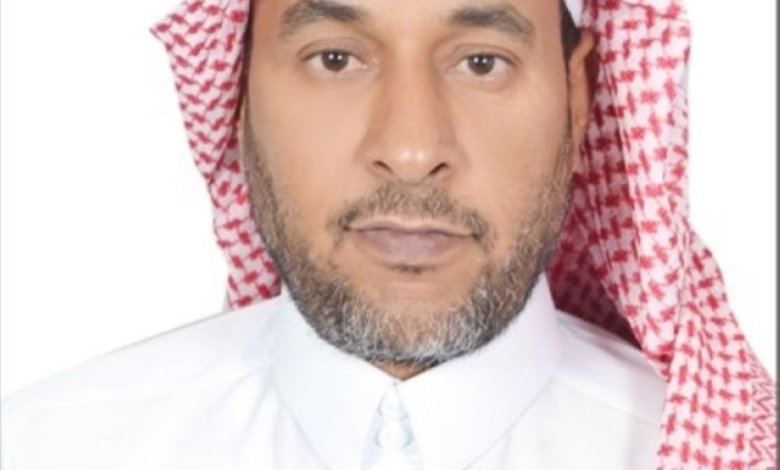
In light of the growing challenges facing humanity, specialized calls have emerged for the adoption of unconventional solutions that ensure the sustainability of resources and life. In this context, Dr. Maatouq Abdullah Al-Sharif, an international consultant for sustainable development and an expert in educational technology, called for the adoption and support of advanced marine technologies to create underwater cities and human settlements, as well as to promote aquaculture projects. He argued that these initiatives would serve scientific research and specialized tourism, and offer radical solutions to future problems.
The concept of the blue economy and its global importance
This call comes at a time when the world is rapidly moving towards what is known as the "blue economy," a concept based on the sustainable use of water resources for economic growth and improved livelihoods, while preserving the health of the ocean ecosystem. Historically, the sea has been a source of food and trade, but today's technological advancements have opened new horizons beyond fishing and transportation to include housing, agriculture, and clean energy generation, making investment in the deep sea a strategic imperative for nations seeking to secure their future.
Food security challenges and innovative solutions
Dr. Al-Sharif explained that the world faces a growing and unprecedented challenge in the area of food security. Accurate international indicators point to a dramatic increase in global food demand by 2050, necessitating a doubling of food production to ensure sufficient food for the world's population. This comes at a time when climate change and global warming are disrupting traditional food systems and reducing arable land.
He pointed out that freshwater scarcity, soil degradation, and the intensification of extreme weather events such as droughts and floods necessitate the search for preventative and sustainable alternatives. Here, "underwater agriculture" emerges as a promising future solution; it provides a thermally stable environment and does not consume freshwater or pesticides, thus supporting food security and reducing reliance on traditional agriculture, which is more vulnerable to climate risks.
Saudi Vision 2030 and Leadership in Sustainability
In a related context, Al-Sharif affirmed that global visions, foremost among them the fourteenth UN Sustainable Development Goal, "Life Below Water," are directly integrated with the goals of eradicating hunger. He emphasized that Saudi Arabia's Vision 2030 creates an ideal and supportive strategic environment for investment in the blue economy, marine renewable energy, and advanced agricultural and environmental technologies.
This approach enhances the Kingdom’s position as a global center for innovation and sustainability, and keeps pace with international transformations in this field, especially given the Kingdom’s extensive coastlines and rich marine resources in the Red Sea and the Arabian Gulf, which qualify it to lead this regional transformation.
Future Paths: From Tourism to Settlement
The expert explained that immediate solutions include developing sustainable coastal tourism, protecting coral reefs, and regulating marine activities, in addition to supporting intensive scientific research in the fields of marine agriculture and aquaculture. Long-term solutions, however, involve localizing underwater construction and agricultural technologies, enabling the creation of resilient human and food environments capable of adapting to rapidly evolving climate challenges.
Al-Sharif concluded his speech by emphasizing that investing in the seas is no longer a secondary option or an intellectual luxury, but rather an urgent strategic necessity to ensure food security, environmental stability, and to achieve sustainable economic growth that guarantees a secure future for coming generations, away from climate fluctuations and the limited availability of land resources.