

إشادة دولية بنهضة التعليم الجامعي في السعودية
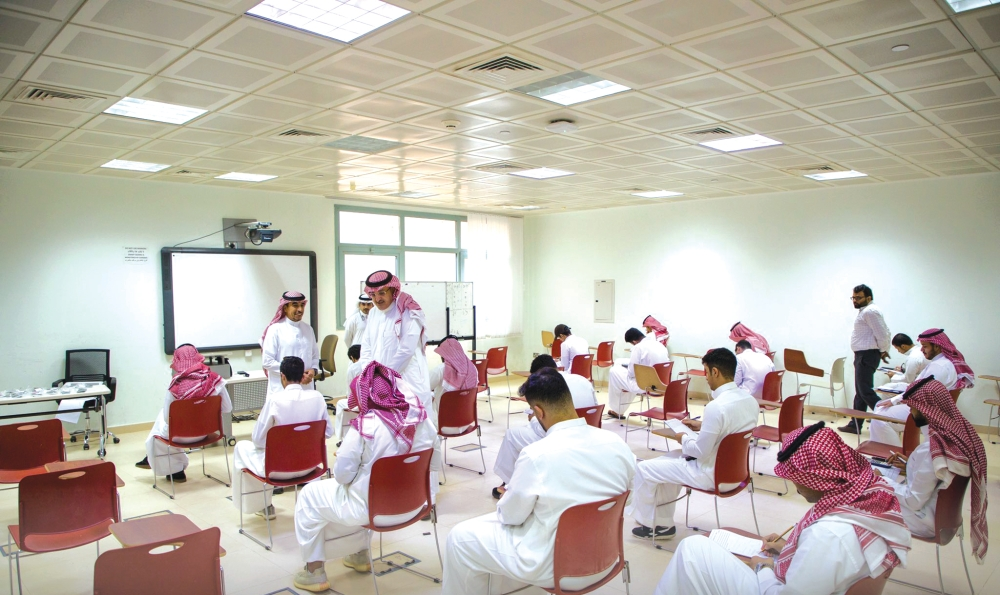
في إنجاز يعكس حجم الجهود المبذولة لتطوير رأس المال البشري، أشاد تقرير “الرصد العالمي للتعليم 2026” الصادر عن منظمة اليونسكو، بالتجربة الرائدة للمملكة العربية السعودية في قطاع التعليم. وقد برزت منظومة التعليم الجامعي في السعودية كأنموذج عالمي يحتذى به في معدلات الالتحاق بالتعليم ما بعد الثانوي، محققة خلال العقد الماضي تحولاً نوعياً ونمواً متسارعاً استند إلى بيانات معهد اليونسكو للإحصاء لعام 2024.
السياق العام والخلفية التاريخية: ثمار رؤية 2030
لم يأتِ هذا النمو من فراغ، بل هو نتيجة مباشرة للخطط الاستراتيجية التي تبنتها المملكة ضمن “رؤية السعودية 2030″، وتحديداً من خلال “برنامج تنمية القدرات البشرية”. تاريخياً، سعت السعودية إلى التحول من اقتصاد يعتمد بشكل أساسي على النفط إلى اقتصاد معرفي مستدام. ولتحقيق ذلك، تم ضخ استثمارات هائلة في البنية التحتية للتعليم العالي، وتحديث المناهج، وتعزيز ثقافة الابتكار والبحث العلمي، مما مهد الطريق لتحقيق هذه القفزات الإحصائية التي وثقتها اليونسكو.
أرقام قياسية وتكافؤ كامل بين الجنسين
وفقاً للتقرير، سجلت المملكة نسبة التحاق بلغت 83.88% في التعليم ما بعد الثانوي للعام 2024. والأكثر إثارة للاهتمام هو تحقيق تكافؤ شبه كامل بين الجنسين بنسبة 1.01، مع ارتفاع إجمالي عدد الملتحقين بالتعليم الجامعي إلى 1.57 مليون طالب وطالبة. كما أظهر التقرير تقلص الفجوة بين الجنسين في التعليم الجامعي من 20 نقطة مئوية في عام 2006 إلى 5 نقاط فقط في 2022، لتتلاشى تماماً في عام 2024 مع زيادة طفيفة لصالح الفتيات.
التعليم الإلكتروني والمدمج: حلول مبتكرة
لعب التعليم الإلكتروني والمدمج دوراً حاسماً في إزالة العوائق الجغرافية والاجتماعية، خاصة أمام الفتيات. وقد أشار التقرير إلى أن معدل التحاق الفتيات في الجامعة السعودية الإلكترونية تضاعف تقريباً خلال الفترة من 2018 إلى 2024. هذا التوجه نحو الرقمنة يعكس مرونة منظومة التعليم الجامعي في السعودية وقدرتها على التكيف مع المتغيرات العالمية.
الابتعاث واستقطاب العقول: تأثير إقليمي ودولي
على الصعيد الدولي، استعرض التقرير تطور برنامج خادم الحرمين الشريفين للابتعاث، الذي يضم حالياً أكثر من 56 ألف مبتعث. وفي خطوة تعزز من القوة الناعمة للمملكة إقليمياً ودولياً، وصل عدد المستفيدين من مبادرة “ادرس في السعودية” إلى 200 ألف طالب دولي. كما تواصل المملكة جهودها لاستقطاب فروع لجامعات دولية مرموقة، مما يحولها إلى مركز إقليمي رائد للتعليم العالي في الشرق الأوسط.
جودة المخرجات والتميز الأكاديمي
تزامن إطلاق التقرير في مقر اليونسكو بباريس مع استعراض وزارة التعليم لجهودها في ضمان جودة المخرجات. وقد تجلى التميز الأكاديمي في تحقيق جامعة الملك فهد للبترول والمعادن المرتبة 67 عالمياً وفق تصنيف QS، ودخول جامعات سعودية ضمن قائمة أفضل 100 جامعة عالمياً في براءات الاختراع لعام 2025 (وفقاً لبيانات USPTO وNAI). كما ارتفعت نسبة خريجات برامج العلوم والتكنولوجيا والهندسة والرياضيات (STEM) إلى 45.6% في 2024، مما يؤكد تنامي البيئة البحثية والابتكارية، ويدعم تنافسية المملكة في الأسواق العالمية.