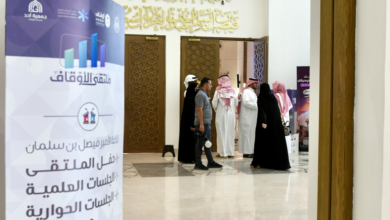

في خطوة نوعية تهدف إلى تعزيز منظومة العدالة والخدمات الصحية في المملكة العربية السعودية، كشف استشاري الطب الشرعي والمدير التنفيذي للجمعية السعودية للطب الشرعي، الدكتور فيصل الزبيدي، عن إطلاق حزمة شاملة من التوصيات والمبادرات التنظيمية. وتأتي هذه الخطوة تتويجاً لأعمال الملتقى السعودي الأول للتقييم الطبي متعدد التخصصات، الذي ركز بشكل أساسي على تكامل السياسات في قضايا الإساءة والاعتداء الجنسي.
تفاصيل البروتوكول الوطني الموحد
أوضح الدكتور الزبيدي أن أبرز مخرجات هذا الحراك الطبي والقانوني تمثلت في اعتماد "مسار إكلينيكي موحد" وشامل للتعامل مع كافة حالات الاعتداء والتحرش الجنسي لمختلف الفئات العمرية. يهدف هذا البروتوكول إلى توحيد معايير الاستقبال، التقييم، الفحص الطبي، والعلاج، بما يضمن تقديم رعاية صحية فائقة الجودة تحفظ كرامة الضحايا، وفي الوقت نفسه تدعم سلامة الإجراءات العدلية وتوثيق الأدلة الجنائية بدقة متناهية.
ويشمل البروتوكول المعتمد آليات دقيقة لفحص الإصابات الجسدية وتقديم العلاجات الوقائية اللازمة بعد التعرض للاعتداء، بالإضافة إلى سياسات صارمة للتعامل مع حالات الاشتباه بالتخدير أو التسمم المرتبطة بالاعتداءات. وتتضمن هذه السياسات إجراءات محددة لرفع العينات الحيوية وحفظها وفق "سلسلة العهدة" (Chain of Custody) لضمان موثوقيتها عند إرسالها لمراكز السموم والطب الشرعي.
التحول الرقمي والربط الإلكتروني
وفي سياق مواكبة التحول الرقمي الذي تشهده المملكة، تم الإعلان عن تفعيل الربط الإلكتروني المباشر بين إدارات الطب الشرعي، النيابة العامة، والجهات الأمنية. تهدف هذه الخطوة الاستراتيجية إلى تسريع وتيرة الإجراءات، تقليص الزمن المستغرق لبدء التحقيقات، وضمان حفظ الأدلة ورفع موثوقية التوثيق الطبي العدلي، مما يسهم في تحقيق العدالة الناجزة.
أهمية الطب الشرعي في المنظومة العدلية
يكتسب هذا الحدث أهمية بالغة في السياق المحلي، حيث يُعد الطب الشرعي حجر الزاوية في القضايا الجنائية. ويأتي تطوير هذه البروتوكولات متسقاً مع مستهدفات رؤية المملكة 2030 في تحسين جودة الحياة ورفع كفاءة الأجهزة الحكومية. إن توحيد الإجراءات لا يقلل فقط من الأخطاء البشرية، بل يضمن حقوق جميع الأطراف ويقدم أدلة علمية دامغة للقضاء.
الرعاية النفسية وتأهيل الكوادر
لم يغفل البروتوكول الجانب الإنساني والنفسي، حيث شدد الزبيدي على ضرورة إشراك الأخصائي الاجتماعي في التقييم الأولي، وتفعيل الإحالات لخدمات الطب النفسي لضمان رعاية شمولية للضحايا تساعدهم على التعافي. كما تم التطرق إلى تطوير برامج تدريبية متخصصة للكوادر الصحية، بما في ذلك استحداث شهادة تمريض لفحص حالات الاعتداء الجنسي (SANE)، لضمان التعامل المهني والأخلاقي مع هذه الحالات الحساسة.
واختتم الزبيدي بالتأكيد على تفعيل خدمات الاستشارات في الطب الشرعي "عن بُعد" بالتعاون مع الصحة الافتراضية، مما يضمن وصول الخبرات التخصصية إلى المناطق الطرفية ورفع كفاءة الخدمة العدلية الطبية على مستوى المملكة كافة.