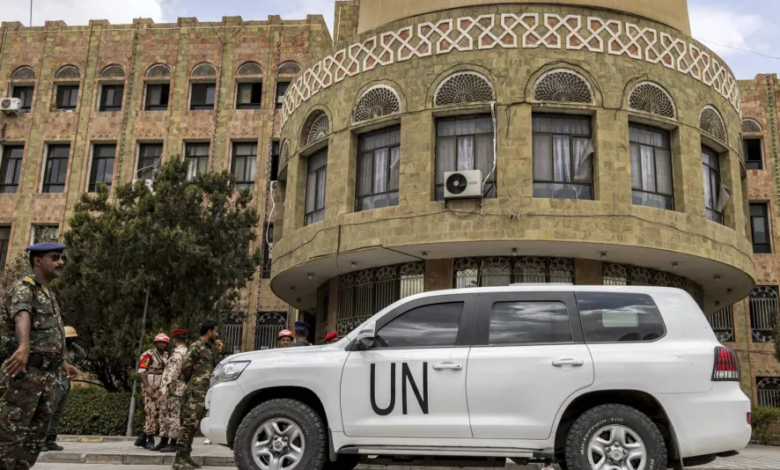

In a striking development reflecting the escalating tension between the international community and the de facto authorities in Sana'a, a senior United Nations official revealed that the Houthi group (Ansar Allah) had confiscated assets and properties belonging to the offices of the international organization, in addition to imposing strict restrictions that included preventing flights for transporting relief workers and humanitarian aid.
Details of violations and asset confiscation
The UN official explained that Houthi elements stormed the Office of the High Commissioner for Human Rights in the capital, Sana'a, forcibly seizing the office keys and confiscating UN vehicles, furniture, and office equipment, in flagrant violation of the privileges and immunities of the international organization. He noted that these actions were not limited to physical confiscation but also included preventing staff from entering the office to carry out their work, resulting in a near-total paralysis of the office's ability to monitor and document the human rights situation in the country.
Context of the crisis and background of the escalation
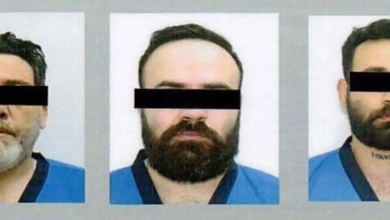
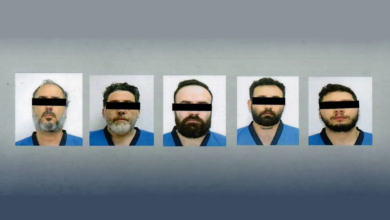
This incident is not isolated but part of a broader pattern of Houthi restrictions on humanitarian and international work in Yemen. Since mid-2024, the group has launched a widespread campaign of arrests targeting dozens of Yemeni staff members working for UN agencies and international and local NGOs, accusing them of “espionage”—charges the UN has categorically rejected, demanding the immediate and unconditional release of those detained. These actions come at a time when Yemen is suffering one of the world’s worst humanitarian crises, with millions of citizens dependent on aid for survival.
Expected repercussions and risks
This escalation has serious repercussions at the local, regional, and international levels:
- Locally: The ban on flights and the confiscation of assets are hindering the delivery of urgent medical and food aid, exacerbating the suffering of the most vulnerable groups and increasing the risk of disease outbreaks and famine in Houthi-controlled areas.
- Internationally: These practices put the Houthi group in direct confrontation with international law and the UN Charter, which could lead to further political isolation and reduce the chances of reaching a comprehensive peaceful settlement to the years-long conflict.
The official concluded his remarks by calling on the international community to exert real pressure to ensure the protection of humanitarian workers, stressing that the continuation of these violations threatens to undermine peace efforts and makes the continuation of relief operations almost impossible.