
تحذير أممي: التصعيد في الشرق الأوسط يهدد الاقتصاد العالمي
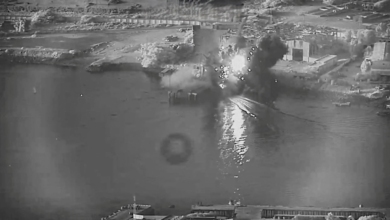
حذر برنامج الأمم المتحدة الإنمائي في أحدث بياناته من التداعيات الخطيرة الناتجة عن التصعيد في الشرق الأوسط، مؤكداً أن الأزمة الحالية تجاوزت حدودها الإقليمية لتصبح تهديداً مباشراً للاستقرار الاقتصادي العالمي. وأشار البرنامج إلى أن استمرار العمليات العسكرية والتوترات الجيوسياسية ينذر بكارثة إنسانية واقتصادية، حيث من المتوقع أن يدفع هذا الصراع عشرات الملايين من البشر حول العالم نحو مستويات خطيرة من الفقر.
اتساع رقعة الفقر لتشمل 162 دولة
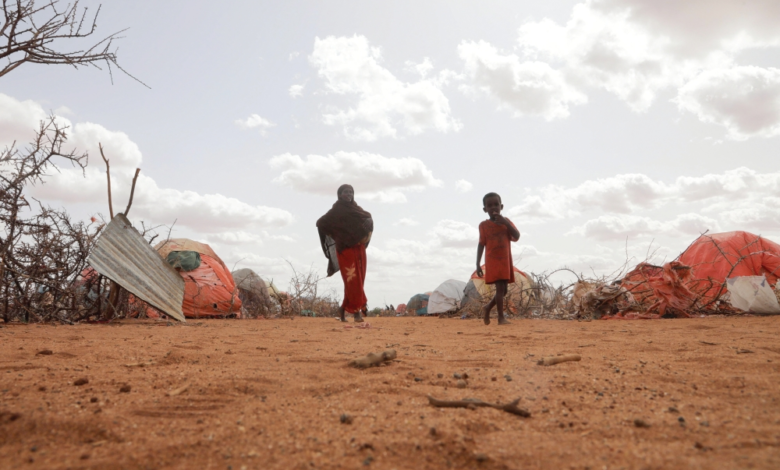
وبحسب البيان الأممي، فإن التأثيرات السلبية لهذا التصعيد قد تمتد لتشمل نحو 162 دولة حول العالم. ولم يعد الخطر مقتصراً فقط على الدول المنخرطة بشكل مباشر في النزاع أو تلك التي تعتمد بشكل كلي على واردات الطاقة من المنطقة، بل امتدت التداعيات لتضرب بقوة اقتصادات هشة ونامية تقع جغرافياً بعيداً عن ساحات القتال. هذه الدول، التي تعاني أساساً من تحديات هيكلية وديون متراكمة، تجد نفسها الآن أمام موجات جديدة من التضخم ونقص الإمدادات الأساسية.
السياق التاريخي وتأثير الممرات الاستراتيجية
تاريخياً، لطالما شكلت منطقة الشرق الأوسط شرياناً حيوياً للاقتصاد العالمي، سواء من حيث إمدادات الطاقة أو الممرات الملاحية الاستراتيجية. وأي اضطراب أمني في هذه المنطقة ينعكس فوراً على أسواق النفط العالمية وتكاليف الشحن والتأمين البحري. هذا الارتفاع في التكاليف التشغيلية ينتقل تلقائياً إلى أسعار السلع الاستهلاكية والغذائية، مما يضعف القدرة الشرائية للمواطنين في الدول النامية، ويسرع من وتيرة الانزلاق نحو الفقر المدقع.
من صدمة حادة إلى أزمة مستمرة
وأوضح برنامج الأمم المتحدة الإنمائي أن الأزمة الحالية تشهد تحولاً مقلقاً؛ فقد بدأت كصدمة حادة ومفاجئة للأسواق، لكنها تتحول تدريجياً إلى حالة من الاستنزاف المستمر. ومع دخول التوترات أسبوعها السادس، ورغم الإعلانات المتكررة عن محاولات التوصل إلى وقف لإطلاق النار، إلا أن حالة عدم اليقين لا تزال تسيطر على المشهد. هذا الاستمرار يمنع الاقتصادات العالمية من التعافي ويجعل خطط التنمية المستدامة في مهب الريح.
التداعيات الدولية والحاجة للسلام
على الصعيد الدولي، يفرض هذا المشهد ضغوطاً هائلة على المؤسسات المالية الدولية والمنظمات الإغاثية التي باتت مطالبة بتوفير شبكات أمان اجتماعي لدول لم تكن في الحسبان. إن استمرار التصعيد في الشرق الأوسط لا يهدد فقط الأرواح والبنى التحتية في مناطق النزاع، بل يمثل انتكاسة حقيقية للجهود العالمية الرامية للقضاء على الفقر. وتؤكد الأمم المتحدة أن الحلول الاقتصادية لن تكون مجدية ما لم تترافق مع إرادة سياسية حقيقية لإنهاء النزاعات وإحلال سلام دائم وشامل.