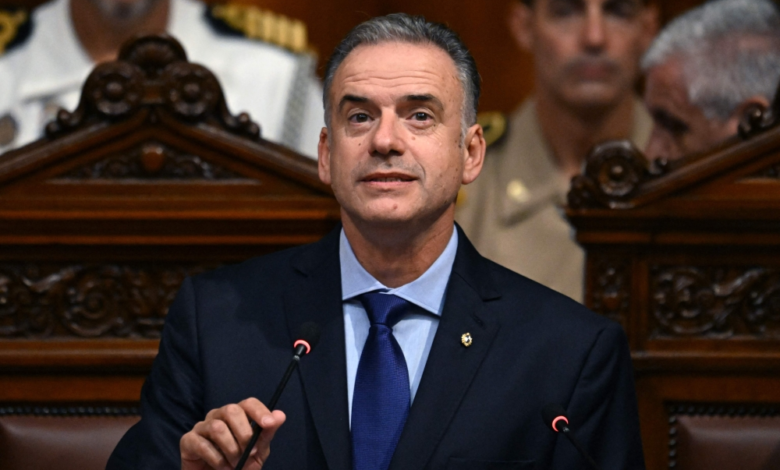

قدم رئيس أوروغواي، ياماندو أورسي، اعتذاراً رسمياً يوم الاثنين عن استفادته من خصم كبير بلغ حوالي 21 ألف يورو (ما يعادل 25 ألف دولار) عند شرائه سيارة شخصية جديدة، وذلك قبل فترة وجيزة من توليه منصبه الرئاسي. أثارت هذه القضية جدلاً واسعاً في البلاد، مسلطة الضوء على معايير الشفافية والأخلاقيات للمسؤولين الحكوميين.
بدأت القصة عندما كشفت محطة إذاعية محلية عن وجود تناقضات في الإقرار المالي الذي قدمه أورسي. وأظهرت الوثائق أن فاتورة شراء سيارة فارهة رباعية الدفع في فبراير الماضي تضمنت خصماً كبيراً مقارنة بسعرها الفعلي في السوق. هذا الكشف وضع الرئيس الجديد في موقف حرج، خاصة في دولة مثل أوروغواي التي تفخر بكونها واحدة من أقل الدول فساداً في أمريكا اللاتينية وتتمتع بتقاليد ديمقراطية راسخة.
تداعيات سياسية واختبار للنزاهة
في بيان صادر عن الرئاسة، اعترف ياماندو أورسي بوجود “شكوك فيما يتعلق بسبب وكيفية الحصول على هذا الشراء”، مشيراً إلى أنه اعتبر السعر الذي دفعه “معقولاً” في ذلك الوقت. وأضاف في لفتة تعكس حجم الضغط العام والسياسي: “أتقدم باعتذاري إذا كان سلوكي قد أساء أو أضر بمصالح أي فرد أو أي مجموعة”. وأكد استعداده الكامل لتحمل المسؤولية إذا ما قررت الجهات الرقابية وجود خطأ من جانبه، متعهداً بدفع الفارق في السعر إذا لزم الأمر.
تأتي هذه الحادثة في سياق سياسي حساس، حيث يُنظر إلى سلوك المسؤولين الحكوميين تحت المجهر. لطالما كانت أوروغواي مثالاً للاستقرار والشفافية في منطقة تعاني من فضائح فساد متكررة. لذلك، فإن أي شبهة تمس نزاهة أعلى منصب في الدولة تعتبر اختباراً حقيقياً لقوة مؤسساتها الرقابية والقضائية، وتؤثر على صورتها الدولية التي بنتها على مدى عقود.
لجنة الشفافية تحقق في قضية رئيس أوروغواي
بناءً على طلب من أحزاب المعارضة المنتمية إلى يمين الوسط، تم إحالة الملف بالكامل إلى “لجنة الشفافية والأخلاقيات العامة” (JUTEP)، وهي هيئة مستقلة مسؤولة عن مراقبة سلوك الموظفين العموميين وضمان التزامهم بالقوانين. ستتولى اللجنة التحقيق في ملابسات عملية الشراء وتحديد ما إذا كان الخصم الذي حصل عليه أورسي يمثل تضارباً في المصالح أو استغلالاً للنفوذ. وينتظر الرأي العام في أوروغواي نتائج هذا التحقيق بفارغ الصبر، حيث سيمثل قرار اللجنة مؤشراً مهماً على مدى جدية الدولة في مكافحة الفساد وتطبيق مبدأ المساءلة على الجميع دون استثناء.