
في تصعيد جديد للتوترات الحدودية، أعلنت الولايات المتحدة الأمريكية رسميًا عن رصد واعتراض طائرات مسيّرة تابعة لتجار مخدرات مكسيكيين اخترقت المجال الجوي الأمريكي، مما أدى إلى إغلاق مؤقت لمطار حيوي في ولاية تكساس. هذا الحادث أثار جدلًا واسعًا بين واشنطن ومكسيكو سيتي، وسط تضارب في الروايات حول مصدر هذه الطائرات وطبيعتها.
تفاصيل الحادث والرد الأمريكي
أكدت السلطات الأمريكية يوم الأربعاء أن الجيش الأمريكي تصدى لطائرات مسيّرة يُعتقد أنها تابعة للكارتيلات المكسيكية، وذلك في سياق تفسير الإغلاق المفاجئ لمطار "إل باسو" الدولي في تكساس. وكان وزير النقل الأمريكي، شون دافي، قد صرح عبر منصة "إكس" بأن إدارة الطيران الفيدرالية ووزارة الدفاع تحركتا بسرعة لتحييد التهديد، مؤكدًا عدم وجود خطر حالي على حركة السفر التجاري بعد إعادة فتح المجال الجوي الذي أغلق لأسباب أمنية غامضة في البداية.
المكسيك تنفي والشكوك تحيط بالرواية
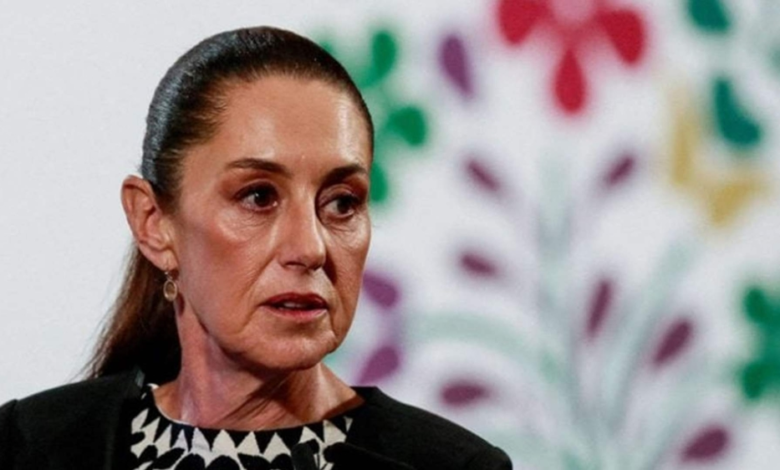
في المقابل، نفت الرئيسة المكسيكية كلاوديا شينباوم علم بلادها بأي نشاط للمسيرات على الحدود. وقالت في مؤتمر صحفي: "ليست لدينا أي معلومات بشأن استخدام الطائرات المسيّرة على الحدود"، مشيرة إلى أن حكومتها فتحت تحقيقًا لفهم ملابسات إغلاق المطار الأمريكي. هذا النفي المكسيكي تزامن مع تشكيك من قبل مشرعين أمريكيين ووسائل إعلام، حيث ألمح أعضاء ديمقراطيون في لجنة النقل بمجلس النواب إلى احتمال أن يكون "البنتاغون" هو المسؤول عن الحادث نتيجة اختبارات عسكرية غير منسقة أو إجراءات مضادة للمسيرات، وليس بالضرورة هجومًا من العصابات.
تطور تكتيكات الكارتيلات: خلفية تاريخية
من الناحية التاريخية والأمنية، لا يعد استخدام الطائرات المسيّرة من قبل عصابات المخدرات المكسيكية أمرًا جديدًا كليًا، وإن كان اختراقها للعمق الأمريكي يمثل تطورًا خطيرًا. فمنذ سنوات، بدأت كارتيلات مثل "خاليسكو الجيل الجديد" و"سينالوا" في استخدام مسيرات تجارية معدلة لأغراض المراقبة، بل وحتى لإسقاط متفجرات بدائية الصنع على خصومهم داخل الأراضي المكسيكية. ويشير خبراء الأمن إلى أن تحول هذه الجماعات لاستخدام التكنولوجيا الجوية يعكس محاولتها تجاوز الجدران الحدودية والرقابة التقليدية لتهريب المخدرات، وخاصة الفنتانيل.
التداعيات الجيوسياسية المتوقعة
يحمل هذا الحادث أبعادًا سياسية بالغة الأهمية، خاصة في ظل الإدارة الأمريكية الحالية. فقد يوفر هذا الاختراق الجوي ذريعة قوية للرئيس الأمريكي دونالد ترامب للمضي قدمًا في سياساته المتشددة تجاه المكسيك، والتي تضمنت تهديدات سابقة بتصنيف الكارتيلات كمنظمات إرهابية وشن ضربات عسكرية داخل الأراضي المكسيكية. إن تأكيد واشنطن على أن الاختراق تم بواسطة "عصابات مخدرات" قد يسرع من وتيرة العسكرة على الحدود ويزيد من الضغوط الدبلوماسية والاقتصادية على حكومة شينباوم لاتخاذ إجراءات أكثر صرامة، مما ينذر بمرحلة جديدة من التوتر في العلاقات الثنائية بين الجارتين.