Five ISIS militants killed in US airstrikes in Syria in response to Palmyra attack

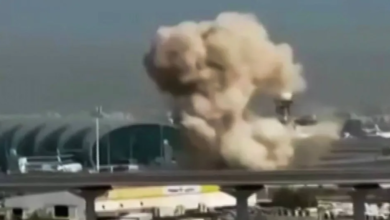
US forces launched a series of intense airstrikes and nighttime military operations against multiple locations in Syria, killing at least five members of the Islamic State (ISIS), in a swift and direct retaliation one week after a deadly attack that killed three Americans in the central city of Palmyra.
The Syrian Observatory for Human Rights reported on Saturday that US airstrikes precisely targeted ISIS positions and cells. Rami Abdel Rahman, the Observatory's director, told AFP that among those killed was "the commander of a cell responsible for the group's drones" in Deir Ezzor province in eastern Syria, a significant blow to the group's technical capabilities. Syrian security sources confirmed that the strikes were not limited to one area but targeted ISIS cells in the provinces of Homs, Deir Ezzor, and Raqqa, reflecting the broad scope of the military operation.
Details of the American "retaliatory" response
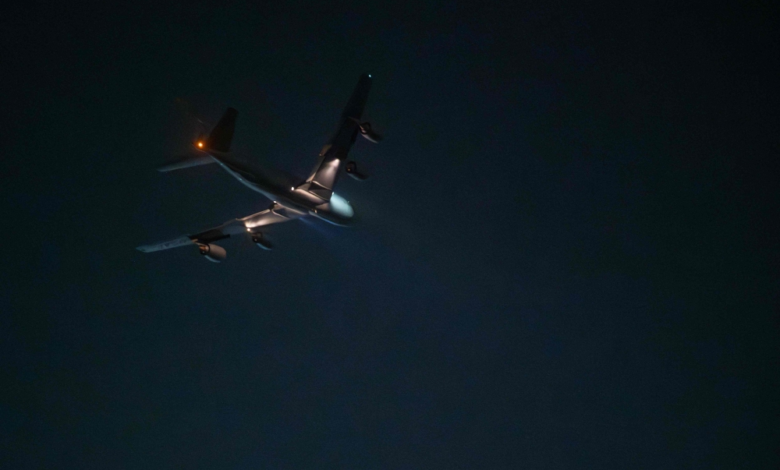
In a related development, the United States officially announced that it had carried out strikes against more than 70 targets across central Syria. The US forces used a combination of firepower in the operation, including fighter jets, attack helicopters, and heavy artillery. US President Donald Trump described the operation as a “very powerful retaliatory strike,” emphasizing his country’s determination to pursue terrorists and protect its troops in the region.
Context of the event: Palmyra attack and American casualties
These rapid military developments come roughly a week after coalition forces were ambushed in Palmyra, Homs province, resulting in the deaths of three Americans, including two soldiers, and injuries to others. Washington attributed direct responsibility for the attack to the Islamic State, although the group did not issue an official statement claiming responsibility at the time. This attack is one of the rare incidents resulting in direct American casualties in that region during that period.
Historical background: The Islamic State and the War of Attrition
Since the declared territorial defeat of ISIS’s so-called “caliphate” in March 2019 in the Baghouz area, the group has reverted to operating as sleeper cells and scattered groups employing guerrilla warfare tactics. Its activities are largely concentrated in the vast Syrian desert, which stretches between the governorates of Homs, Deir ez-Zor, and Raqqa. This rugged desert region provides a safe haven for ISIS fighters to launch hit-and-run attacks against military forces and civilians, before disappearing into the depths of the desert.
Strategic and international importance
These strikes are particularly significant in the context of international counterterrorism efforts, as the United States leads an international coalition aimed at ensuring the lasting defeat of ISIS. These operations underscore Washington's continued commitment to protecting its forces and allies in the region and preventing the group from regrouping or developing advanced capabilities, such as the use of drones. They also send a strong deterrent message to any attempts to target Western interests in the Middle East, indicating that the military response will be decisive and far-reaching.