
الجيش الأمريكي يسمح بمرور سفن المساعدات وسط تصاعد التوترات
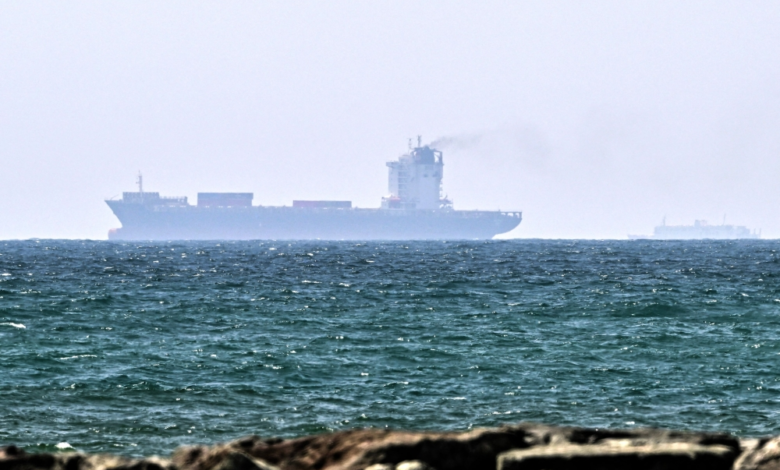
أعلنت القيادة المركزية للجيش الأمريكي عن سماحها بمرور 36 سفينة محملة بالمساعدات الإنسانية منذ بدء فرض حصار إيران، في خطوة توازن بين الضغط العسكري والاعتبارات الإنسانية. وأوضح الجيش في بيانه أنه تم تغيير مسار 127 سفينة أخرى في إطار العمليات المستمرة لفرض الحصار البحري، مما يعكس جدية الموقف الأمريكي في المنطقة. يأتي هذا التطور في سياق توترات متصاعدة بين واشنطن وطهران، والتي تلقي بظلالها على استقرار الملاحة في أحد أهم الممرات المائية في العالم.
تداعيات حصار إيران: بين الضغط الاقتصادي والممرات الإنسانية
يمثل الحصار البحري الذي تفرضه الولايات المتحدة أحدث فصول سياسة “الضغط الأقصى” التي تهدف إلى كبح نفوذ إيران الإقليمي وتقييد برامجها العسكرية. تاريخيًا، شكلت العقوبات الاقتصادية والحصار أدوات رئيسية في السياسة الخارجية الأمريكية تجاه طهران، خاصة فيما يتعلق بملفها النووي. ومع ذلك، يثير فرض حصار شامل مخاوف دولية بشأن تداعياته الإنسانية على الشعب الإيراني، وهو ما يفسر سماح واشنطن بمرور سفن المساعدات. تسعى الإدارة الأمريكية من خلال هذه الخطوة إلى تأكيد أن هدفها هو النظام الإيراني وليس المدنيين، محاولةً بذلك الحفاظ على دعم الحلفاء وتجنب الانتقادات الحقوقية الدولية التي قد تصاحب مثل هذه الإجراءات المشددة.
مفاوضات على وقع التصعيد: ترامب يلمح إلى اتفاق وشيك
بالتزامن مع التحركات العسكرية، تتواصل الجهود الدبلوماسية خلف الكواليس. وفي هذا الصدد، أعرب الرئيس الأمريكي دونالد ترامب عن تفاؤله بإمكانية التوصل إلى اتفاق مع إيران خلال الأسبوع المقبل، مشيرًا إلى أن المحادثات “تبدو جيدة وتسير بسرعة”. وأكد ترامب أن أي اتفاق محتمل سيشمل بنودًا تضمن عدم امتلاك إيران لسلاح نووي، وهو الشرط الأساسي لواشنطن. وأضاف الرئيس الأمريكي أن الاتفاق سيؤدي إلى تمديد وقف إطلاق النار وإعادة فتح مضيق هرمز بشكل كامل، مؤكدًا أن “اتفاق السلام سيكون أفضل من الحل العسكري”. وتأتي هذه التصريحات لتعكس استراتيجية ترامب المعهودة التي تجمع بين التهديد العسكري وفتح باب المفاوضات للحصول على ما وصفه بـ “ما نريد من إيران”.
أبعاد إقليمية معقدة وتأثيرات دولية
لا تقتصر تداعيات الأزمة على الولايات المتحدة وإيران فحسب، بل تمتد لتشمل المنطقة بأكملها والاقتصاد العالمي. يعتبر مضيق هرمز شريانًا حيويًا لإمدادات الطاقة العالمية، وأي تعطيل لحركة الملاحة فيه قد يؤدي إلى ارتفاع حاد في أسعار النفط. وفي إشارة إلى الأبعاد الإقليمية المعقدة، كشف ترامب عن اتصالات أجراها مع كل من حزب الله ورئيس الوزراء الإسرائيلي بنيامين نتنياهو، طالبًا من الطرفين وقف إطلاق النار. وأوضح أن الخلل البسيط الذي طرأ على مسار التفاهم تم علاجه بسرعة، وكان مرتبطًا باستياء إيران من الهجمات الإسرائيلية على لبنان. يعكس هذا التحرك الدبلوماسي محاولة أمريكية لمنع اتساع رقعة الصراع وضمان عدم اشتعال جبهات إضافية قد تقوض جهود التوصل إلى اتفاق شامل مع طهران.