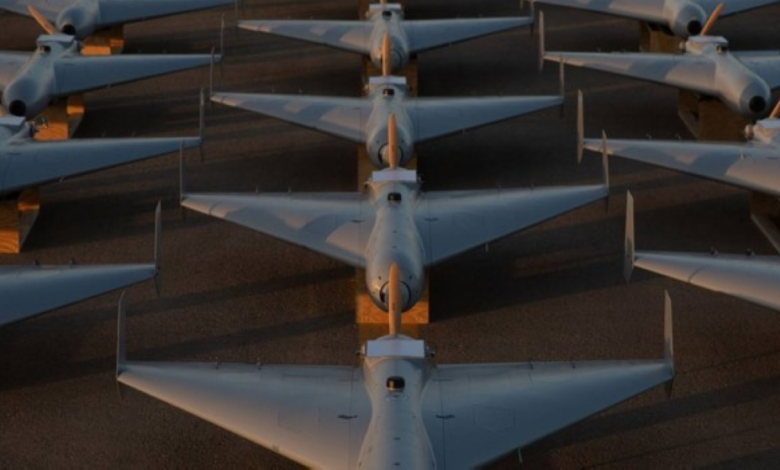
In a significant military development indicating a radical shift in modern warfare tactics, the US Central Command revealed new technical details used in the recent joint attack with Israel on targets inside Iran. The US military reported that this operation relied on one-way attack drones, deployed by the task force known as "Scorpion Strike.".
The “Scorpion Strike” technology and the shift in military doctrine
In a statement, U.S. Central Command explained that this is the first time this type of low-cost attack aircraft has been deployed in direct combat operations for the U.S. military. This shift comes in response to lessons learned on modern battlefields, where drones have proven highly effective in overcoming traditional air defense systems.
Military reports indicate that relying on single-use drones, or what is known militarily as "loitering munitions," gives attacking forces a tremendous tactical advantage, providing high accuracy at a minimal cost compared to cruise missiles or conventional airstrikes. This technology has become prominent in recent international conflicts, particularly the war between Russia and Ukraine, prompting major powers to accelerate the adoption of these strategies.
Human losses and unprecedented escalation
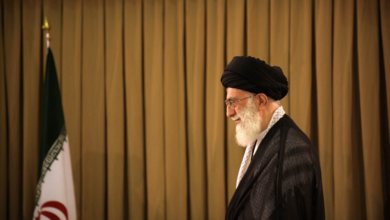
On the ground, Reuters quoted a Tehran city council official making shocking statements about the attack's outcome. The official confirmed the deaths of Iranian Supreme Leader Ali Khamenei's son-in-law and his daughter-in-law in the joint US-Israeli strikes, adding a dangerous political and personal dimension to this escalation.
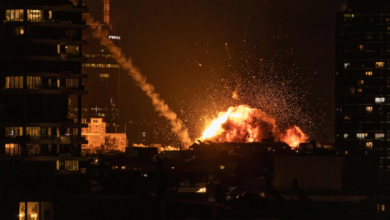
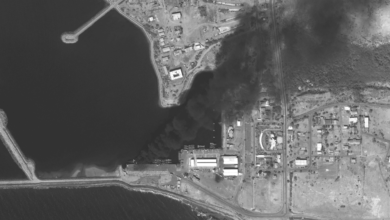
In a related context, the Iranian Red Crescent Society announced in an official statement on Saturday evening that the death toll from these intense strikes had risen significantly, reaching 201 people, in one of the most violent attacks the country has witnessed in recent years.
Expected regional and international repercussions
This attack carries profound strategic implications that extend beyond the immediate material and human losses. The United States' use of new, low-cost drone technology sends a powerful deterrent message: Washington is capable of launching precise and devastating attacks without risking expensive manned aircraft.
The high-level US-Israeli coordination in these operations also signals a new phase of military alliance in the Middle East, aimed at precisely containing Iranian influence. Observers believe that targeting figures close to the decision-making circles in Tehran could provoke retaliatory actions, potentially leading to a wider escalation of violence across the region.