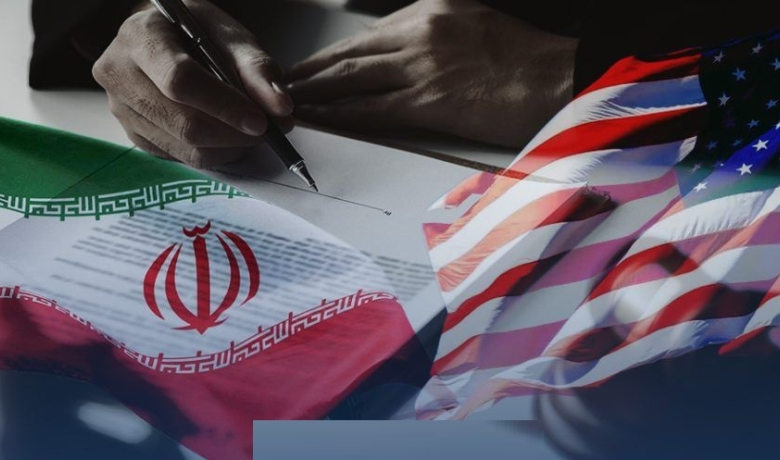

في تطور لافت قد يمثل نقطة تحول في المفاوضات النووية المتعثرة، أعلن عضو إعلامي في فريق التفاوض الإيراني أن الولايات المتحدة تراجعت عن مطلبها الرئيسي المتعلق بضرورة نقل اليورانيوم المخصب الإيراني إلى أراضيها. هذا التصريح، الذي أدلى به سعيد آجرلو لوكالة أنباء فارس، يشير إلى مرونة أمريكية قد تفتح الباب أمام إحراز تقدم ملموس نحو إحياء الاتفاق النووي.
ووفقًا لآجرلو، فإن أحدث مسودة اتفاق أرسلتها واشنطن إلى طهران لم تعد تتضمن شرط نقل أو تدمير مخزون إيران من اليورانيوم المخصب، وهو ما كان يمثل إحدى أكبر العقبات في الجولات السابقة. وأوضح أن النص الأمريكي الجديد يركز بدلاً من ذلك على “إيجاد حلول لمصير المواد النووية”، مؤكداً أن طهران لم تقدم أي تعهد بنقل أو تدمير اليورانيوم، وأن مصير هذا المخزون سيتم مناقشته في مراحل لاحقة إذا تقدمت المحادثات بشكل إيجابي.
خلفية معقدة للمفاوضات النووية
تأتي هذه التطورات على خلفية سنوات من التوتر الشديد الذي أعقب انسحاب الولايات المتحدة من خطة العمل الشاملة المشتركة (الاتفاق النووي) في عام 2018. كان الاتفاق الأصلي، الذي تم التوصل إليه في عام 2015، يهدف إلى تقييد أنشطة إيران النووية بشكل صارم مقابل رفع العقوبات الاقتصادية الدولية عنها. لكن بعد الانسحاب الأمريكي وإعادة فرض العقوبات، ردت إيران بزيادة مستويات تخصيب اليورانيوم وتوسيع برنامجها النووي، مما أثار قلق القوى العالمية بشأن احتمالية سعيها لامتلاك سلاح نووي، وهو ما تنفيه طهران باستمرار.
مرونة أمريكية جديدة بشأن نقل اليورانيوم المخصب؟
لطالما شكل مصير مخزون اليورانيوم المخصب حجر عثرة في المفاوضات. فمن وجهة نظر غربية، يمثل نقل هذا المخزون إلى خارج إيران ضمانة أساسية لزيادة “زمن الاختراق”، أي الوقت الذي قد تحتاجه طهران لإنتاج ما يكفي من المواد الانشطارية لصنع قنبلة نووية. في المقابل، كانت إيران ترفض هذا المطلب بشكل قاطع، معتبرة إياه تعدياً على سيادتها وحقها في امتلاك برنامج نووي سلمي، كما كانت تستخدم مخزونها كورقة ضغط تفاوضية. التراجع الأمريكي المزعوم عن هذا الشرط، إن تأكد رسمياً، سيمثل تنازلاً كبيراً يهدف إلى كسر الجمود الدبلوماسي.
ترامب متفائل بقرب التوصل لاتفاق
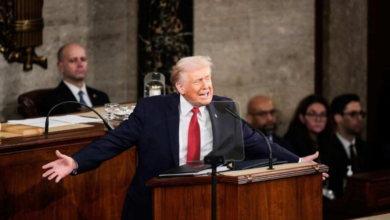
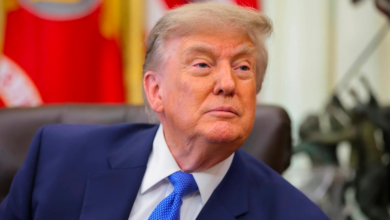
تتزامن هذه الأنباء مع تصريحات متفائلة من الرئيس الأمريكي دونالد ترامب، الذي أعرب عن اعتقاده بإمكانية التوصل إلى اتفاق مع إيران قريباً. وفي تصريحات لشبكة “إيه.بي.سي نيوز”، وصف ترامب المحادثات مع إيران بأنها “تبدو جيدة وتسير بسرعة”، متوقعاً التوصل لاتفاق لتمديد وقف إطلاق النار وإعادة فتح مضيق هرمز الحيوي خلال الأسبوع المقبل. وأضاف ترامب: “سنحصل على ما نريد من إيران، ولن يمتلكوا سلاحاً نووياً”. كما أشار إلى أنه تدخل شخصياً لنزع فتيل التوتر على الحدود اللبنانية الإسرائيلية، مؤكداً أن اتفاق السلام أفضل من الحل العسكري لضمان استقرار المنطقة.