US B-1 airstrikes destroy Revolutionary Guard headquarters and sink Iranian ships

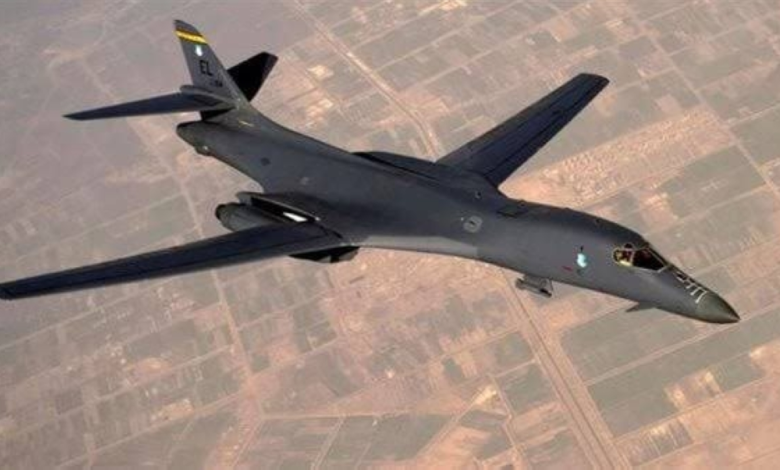
In a significant military development and an unprecedented escalation in the Middle East, the US Central Command (CENTCOM) officially announced a series of intensive strategic airstrikes against targets inside Iran, using B-1 Lancer . These operations are part of a broad military response confirmed by official statements from the highest levels of the US government.
Details of the military operation and statements by President Trump
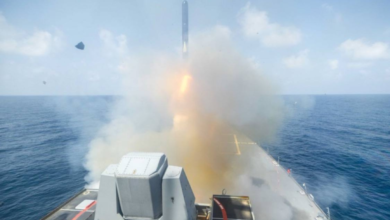
Donald Trump confirmed the success of US forces in delivering devastating blows to the Iranian navy, stating that they had completely sunk 10 Iranian vessels. In a resolute tone, the president declared that the military operation had "eliminated Iran's leadership within one hour," reflecting the scale and intensity of the firepower used in these coordinated attacks.
In parallel with the presidential statements, the US Central Command reported that the strikes, in which Israel reportedly participated, completely destroyed the headquarters of the Iranian Revolutionary Guard Corps . The Command justified the action via its "X" platform, citing the Revolutionary Guard's historical record and asserting its responsibility for the deaths of over a thousand American citizens over the past 47 years, thus framing the strikes as acts of "deterrence and accountability."
Implications for the use of B-1 Lancer bombers
B-1 Lancer bombers carries profound military implications in this context. These long-range strategic bombers are capable of carrying the largest guided and unguided weapons payload in the U.S. Air Force's arsenal. Deploying these aircraft to conduct strikes deep inside Iran sends a clear message about the U.S. ability to penetrate air defenses and reach fortified targets, thus altering the traditional rules of engagement in the region.
Historical context and the impact of the strike on the region
These developments are the culmination of decades of tension between the United States and Iran, specifically since 1979. The Iranian Revolutionary Guard has long been a focal point in regional disputes, with Washington accusing it of destabilizing the Middle East and threatening international navigation in the Arabian Gulf and the Strait of Hormuz.
This event is expected to have far-reaching geopolitical repercussions, both regionally and internationally. The destruction of the Revolutionary Guard's command headquarters and the sinking of naval vessels represent a direct blow to Tehran's military infrastructure and could reshape the balance of power in the region, amid international anticipation of potential reactions and the future of global energy security and maritime navigation.