
عملية إنقاذ معقدة خلف خطوط العدو
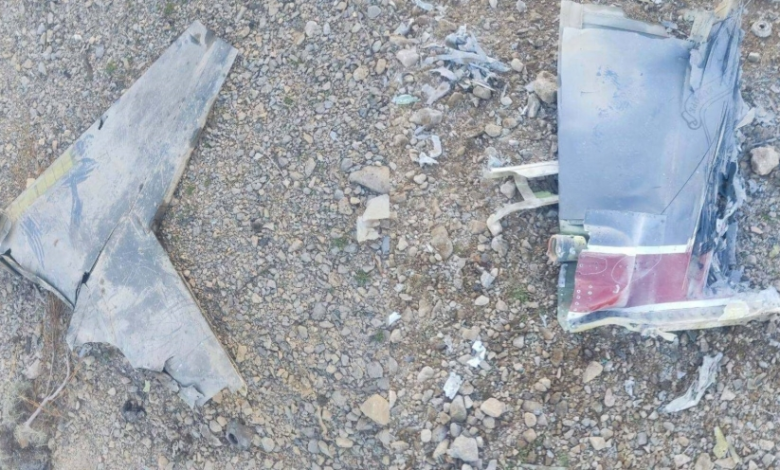
أفادت تقارير إعلامية أمريكية، نقلاً عن موقع ‘أكسيوس’، بنجاح قوات الكوماندوز الأمريكية في تنفيذ عملية عسكرية نوعية ومعقدة أسفرت عن إنقاذ ثاني أفراد طاقم المقاتلة الأمريكية من طراز ‘إف-15’ التي سقطت داخل الأراضي الإيرانية. وتأتي هذه العملية لتسلط الضوء على القدرات العالية والجاهزية القصوى لفرق البحث والإنقاذ القتالي التابعة للجيش الأمريكي في التعامل مع الأزمات الطارئة.
تفاصيل الاشتباك والغطاء الجوي
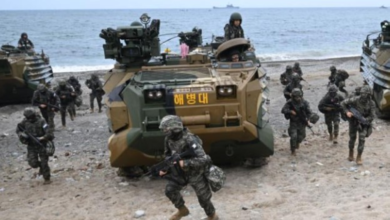
وأوضحت المصادر المطلعة أن العملية نفذتها وحدة قوات خاصة متخصصة، مدعومة بغطاء جوي كثيف لضمان سلامة الفريق المنسحب. وقد تم نشر هذه القوات على الأرض في إيران على مرحلتين، يومي الجمعة والسبت، ضمن مهمة بحث وإنقاذ دقيقة. وبعد تحديد موقع عضو الطاقم الثاني يوم السبت، بدأت عملية الإخلاء الفوري. وفي محاولة لإحباط المهمة، دفع الحرس الثوري الإيراني بقواته نحو الموقع، إلا أن مقاتلات تابعة لسلاح الجو الأمريكي شنت غارات تحذيرية ودفاعية مكثفة لمنع القوات الإيرانية من التقدم، مما أتاح للقوات الأمريكية مغادرة الأراضي الإيرانية بسلام ودون وقوع إصابات في صفوف فريق الإنقاذ.
متابعة حثيثة من البيت الأبيض
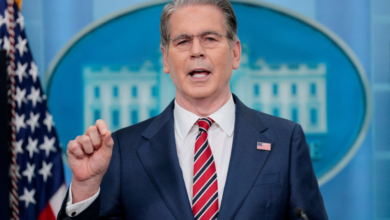
وقد حظيت هذه العملية باهتمام على أعلى المستويات السياسية والعسكرية في الولايات المتحدة؛ حيث أكد الموقع الأمريكي أن الرئيس دونالد ترامب، برفقة كبار أعضاء فريقه للأمن القومي، تابعوا مجريات عملية الإنقاذ لحظة بلحظة من داخل غرفة العمليات في البيت الأبيض. هذا المستوى من المتابعة يعكس حساسية الموقف وخطورته، ويؤكد التزام القيادة الأمريكية الصارم باستعادة جنودها.
السياق التاريخي والأهمية الاستراتيجية
تاريخياً، تعيد هذه العملية إلى الأذهان التوترات المستمرة بين واشنطن وطهران، والتي شهدت العديد من الحوادث الجوية والاشتباكات غير المباشرة على مدار العقود الماضية. وتعتبر عمليات الإنقاذ القتالي خلف خطوط العدو (CSAR) من أعقد المهام العسكرية على الإطلاق. وتذكرنا هذه العملية بمحاولات سابقة في التاريخ العسكري، مثل عملية ‘مخلب النسر’ عام 1980 التي واجهت تحديات كبرى في إيران، إلا أن التطور التكنولوجي الهائل والتدريب المتقدم اليوم جعلا من الممكن تنفيذ مثل هذه المهام بنسبة نجاح استثنائية.
مقاتلات إف-15 وعقيدة الجيش الأمريكي
ومن المعروف عسكرياً أن مقاتلات ‘إف-15’ (F-15) تعد من أهم الطائرات الحربية في الترسانة الأمريكية، وتتميز بقدرتها العالية على تحقيق التفوق الجوي وضرب الأهداف الأرضية بدقة متناهية. ويتكون طاقم بعض فئاتها (مثل Strike Eagle) من طيار وضابط أنظمة تسليح، مما يفسر وجود فردين ضمن الطاقم الذي تعرض لإسقاط طائرته. وتولي العقيدة العسكرية الأمريكية أهمية قصوى لاستعادة أفرادها، تطبيقاً للمبدأ الراسخ ‘عدم ترك أي جندي خلف الخطوط’.
التداعيات الإقليمية والدولية
على الصعيد الإقليمي والدولي، تحمل هذه العملية تداعيات استراتيجية كبيرة. محلياً وإقليمياً، تبرز العملية مدى قدرة القوات الأمريكية على اختراق الدفاعات وتوجيه رسالة ردع قوية للحرس الثوري الإيراني. أما دولياً، فتؤكد الولايات المتحدة لحلفائها وخصومها على حد سواء التزامها المطلق بحماية جنودها وقدرتها على التدخل السريع في أكثر البيئات عدائية. ومن المتوقع أن تزيد هذه الحادثة من حدة التوتر الدبلوماسي والعسكري في منطقة الشرق الأوسط، وسط ترقب لردود الفعل الإيرانية المحتملة على هذا الاختراق المباشر لأراضيها.