The Saudi League Association denies diverting the federation's budget to other clubs

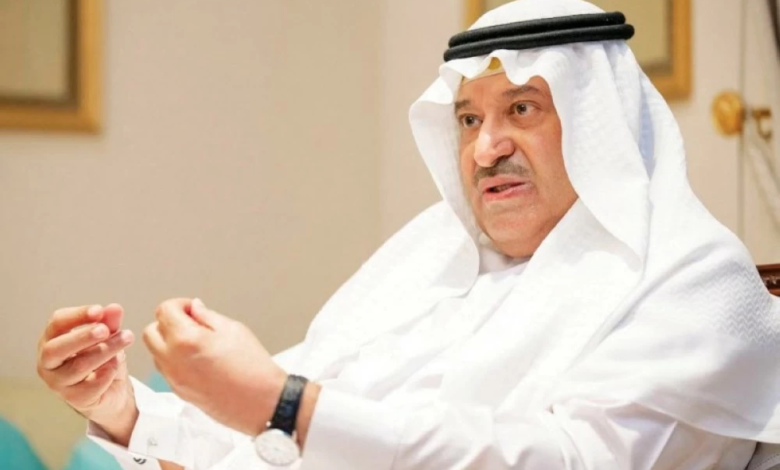
The Saudi Professional League issued a decisive official statement putting an end to the recent rumors circulating in sporting circles, which had sparked widespread controversy among fans and the media. In its statement, the League stressed the importance of accuracy and relying exclusively on official sources when reporting news. This was a direct and clear response to statements made by Prince Nawaf bin Mohammed during his appearance on the "In the Goal" program, hosted by journalist Battal Al-Qaws on Al-Arabiya channel.
The statement, published by the Saudi Pro League through its official channels, read: “With reference to what has been circulating regarding the transfer of part of Al-Ittihad Club’s budget to other clubs, or the existence of outstanding payments owed to the club, the Saudi Pro League confirms that this information is completely false.” The League categorically clarified that there have been no changes or redistributions concerning the financial allocations for Al-Ittihad Club or any other club in the competition, thus refuting all claims suggesting that Al-Ittihad has been financially disadvantaged to the benefit of its rivals.
This urgent clarification comes at a time when the Saudi Professional League is undergoing a historic transformation and an unprecedented leap forward on a global scale, thanks to the strong support of the wise leadership and the direct supervision of the Ministry of Sport and the Public Investment Fund. This phase is particularly sensitive given the global recruitment program that has brought elite football stars to the Kingdom, making any talk of financial disparities or budget reallocations fertile ground for rumors that could affect the stability of clubs and their relationship with their fans.
The statement emphasized that all clubs, including Al-Ittihad, are fully informed of their financial details in accordance with the frameworks and regulations approved by the Financial Sustainability Committee and the League. The sports system in the Kingdom currently operates according to highly transparent governance standards aimed at ensuring fairness and fair competition among all teams, especially the four major clubs (Al-Ittihad, Al-Hilal, Al-Nassr, and Al-Ahli) whose ownership has been transferred to the Public Investment Fund, thus logically eliminating the possibility of budget manipulation or arbitrary transfers.
The association concluded its statement by emphasizing the importance of media responsibility at this critical stage, stressing the need to obtain information from official sources in order to maintain professionalism and convey the true picture to the sports public, and to avoid stirring up confusion that does not serve the development of the ambitious Saudi football project.