America is considering lifting tariffs on Indian oil after the decline in Russian oil prices

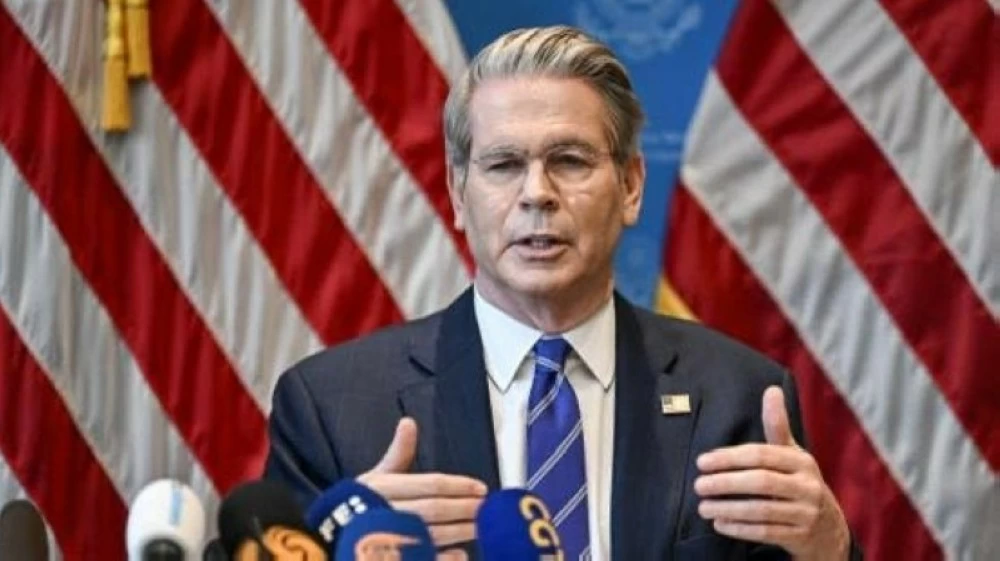
In a significant development suggesting a potential breakthrough in trade relations between the world's two largest democracies, US Treasury Secretary Scott Bisnett hinted at the possibility of lifting the additional tariffs imposed by Washington on India. This statement follows New Delhi's response to US pressure and its sharp reduction of reliance on energy imports from Russia, marking a strategic shift in the course of international energy trade.
Collapse of Indian refinery purchases
In an interview with Politico on the sidelines of the World Economic Forum, Bessent asserted that the US strategy is beginning to bear fruit. He stated, "Indian refinery purchases of Russian oil have collapsed, and this is a major success for our policies." The minister clarified that existing tariffs, including the 25% tariff on Russian oil, remain in place, but added, "I believe there is a clear path to their removal given the current circumstances.".
Background to trade tensions and escalating sanctions
To understand the context of this shift, one must go back to last August, when trade relations reached unprecedented levels of tension after US President Donald Trump decided to double tariffs on Indian goods to 50%. This decision included a punitive 25% tax, a direct response to India's continued importation of massive quantities of Russian crude oil, which Washington considered to be undermining the effectiveness of Western sanctions against Moscow.
Return to reliance on OPEC and a changing import map
Recent trade data has corroborated the US Secretary of State's remarks, with news reports indicating that India's imports of Russian oil in December hit a two-year low. This significant decline in Russian flows has prompted India to refocus on its traditional sources, pushing OPEC's share of total Indian imports to an 11-month high. This shift reflects India's desire to diversify its energy sources and avoid economic confrontation with the United States.
Economic and geopolitical dimensions
This event carries implications that extend beyond mere trade figures; it reflects Washington's success in using economic leverage to decouple India's oil dependence from Russia. Historically, India has maintained strategic relations with Moscow, but growing economic interests with the West, and New Delhi's need for access to American markets and Western technology, have tipped the scales in favor of complying with US demands. The removal of these tariffs is expected to revitalize trade between the two countries and strengthen their strategic partnership in the Indo-Pacific region, particularly in light of escalating international competition.