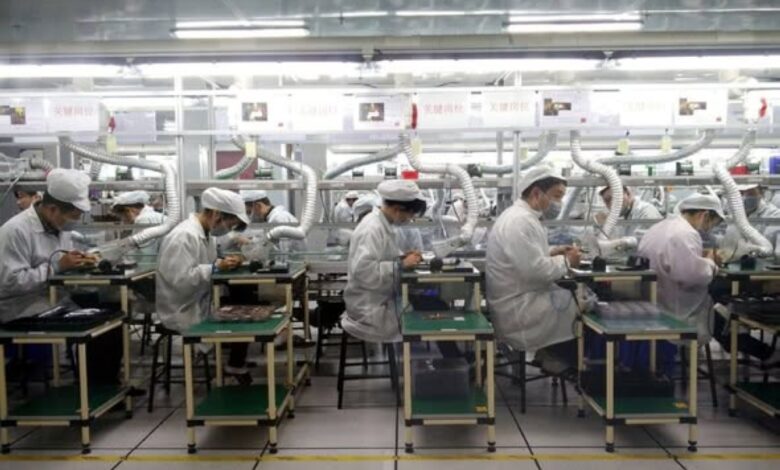

In a new escalation of the technological cold war between the two superpowers, the United States has sharply criticized China's industrial policies in the semiconductor , accusing Beijing of engaging in "unfair" practices to dominate this vital industry. The Office of the U.S. Trade Representative has formally called for punitive measures against China, but the most striking aspect of the decision is the implementation timeline, which delays the actual imposition of tariffs for 18 months.
Conflict context: Chips as the oil of the 21st century
This decision cannot be understood in isolation from the historical and strategic context of the US-China conflict. Semiconductors (electronic chips) are considered the "new oil" of the global economy, powering everything from smartphones and electric cars to advanced weapons systems and artificial intelligence technologies. For years, Washington has sought, through legislation such as the CHIPS Act, to regain its manufacturing leadership and reduce its reliance on Asian supply chains, while simultaneously imposing strict restrictions on the export of advanced technology to China.
Details of the investigation and US charges
The new U.S. position was based on the findings of an extensive investigation by the Office of the U.S. Trade Representative, which concluded that China employs "aggressive and pervasive non-market policies." The office explained in a public notice that these practices include massive and sustained government subsidies to private Chinese companies, creating an unfair competitive environment that burdens U.S. trade and restricts its growth. The investigation asserted that China's dominance through these methods is "unreasonable and warrants legal action.".
Despite the severity of the accusations, US authorities announced a lengthy grace period before implementation, with the current zero-rate fee set to rise in 18 months, specifically on June 23, 2027. The percentage of the new fee will be announced 30 days prior to that date, giving businesses and markets time to adjust to the upcoming changes.
Political continuity and the Chinese reaction
This investigation demonstrates a rare consistency in U.S. policy toward China between different administrations; Office of the Trade Representative officials launched the investigation in December 2024 during the final weeks of President Joe Biden’s term, and it was extended and adopted immediately after Donald Trump took office in January, reflecting a consistent national strategy that does not change with the change of presidents.
In response, China reacted swiftly and sharply. Beijing announced its strong opposition to the move, with Foreign Ministry spokesman Lin Jian accusing Washington of using tariffs to "unreasonably stifle Chinese industries." China warned that these policies not only harm China's industrial development but also disrupt the stability of global supply chains and damage the semiconductor industry in all countries, including the United States itself, demanding that Washington immediately correct its course.