
Global energy markets witnessed an exceptional and historic event at the close of trading on Friday, with oil prices soaring at a rate unseen in decades. US crude futures recorded weekly gains exceeding 35%, the highest percentage ever recorded since trading began on the New York Stock Exchange in 1983, fueled by escalating fears of a full-blown war in the Middle East that could disrupt global energy supplies.
In trading details, Nymex crude oil futures for April delivery jumped 12.21%, adding about $9.89 per barrel to settle at $90.90, thus reinforcing their impressive weekly gains of 35.63%. Meanwhile, Brent crude, the international benchmark, was not immune to this surge, with May contracts climbing 8.52% (equivalent to $7.28) to close at $92.69 per barrel, registering a strong weekly gain of 27.88%.
This surge in prices comes as a direct and immediate reaction to the sharp and decisive tone of US President Donald Trump's statements, in which he asserted that "there will be no deal with Iran except through unconditional surrender." These statements come at a time when the conflict is widening to encompass various parts of the Middle East, sparking market panic over the potential for a complete disruption of shipping in the strategic Strait of Hormuz.
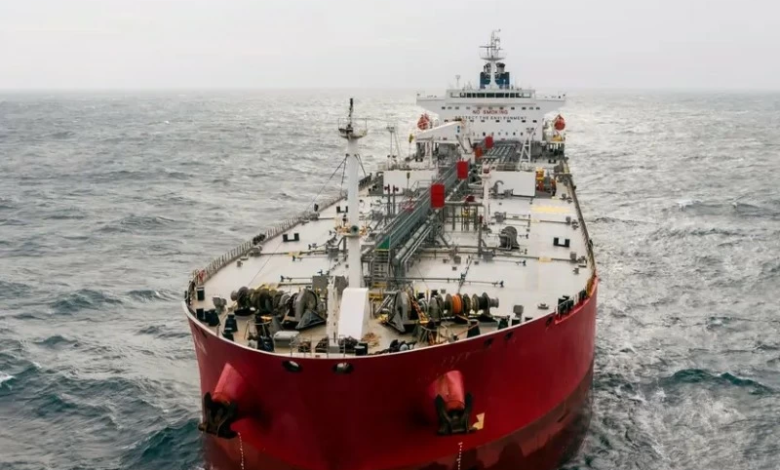
From a geopolitical and economic perspective, the Strait of Hormuz is of paramount importance as it is the main artery through which approximately one-fifth of the world's oil production passes daily. Any threat to close this waterway would not only mean a temporary price surge but could also trigger a shock to global supply chains, threatening to raise inflation rates in major economies and drive shipping and marine insurance costs to astronomical levels—a price tag that markets have already begun pricing in.
In an attempt to contain the situation and reassure volatile markets, the US administration, through the International Development Finance Corporation (DFC), announced an emergency plan that includes providing $20 billion in reinsurance coverage. This bold move aims to incentivize oil tankers and logistics companies to resume transiting the strait, after many private insurers declined to cover vessels passing through the region due to the high risk of war.
Analysts believe that these price levels are reminiscent of the major oil crises of the last century, noting that continued tension could push prices towards new record levels that could easily exceed the $100 mark if the situation is not contained politically and militarily in the near future.