
تقارير استخباراتية تكشف عن خطط هجومية محتملة
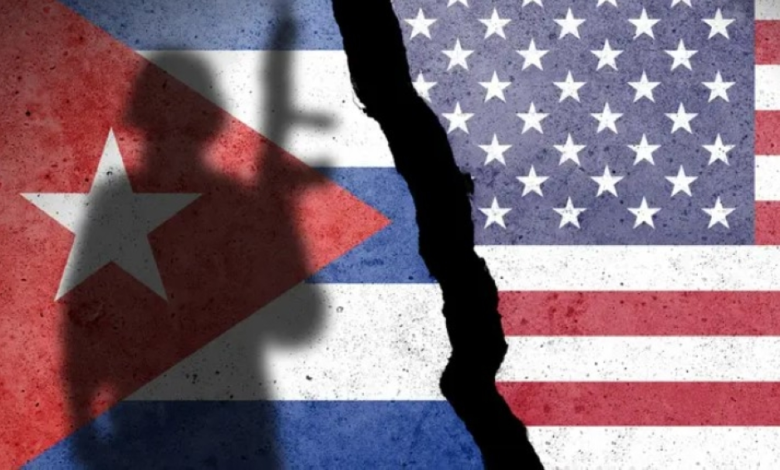
كشفت تقارير إعلامية أمريكية حديثة، استناداً إلى معلومات استخباراتية سرية نشرها موقع “أكسيوس”، عن تطورات أمنية خطيرة تتعلق بحصول كوبا على ترسانة عسكرية متطورة. وأشارت التسريبات إلى أن هافانا تسلمت أكثر من 300 طائرة مسيرة هجومية، وبدأت في إجراء مناقشات داخلية حول خطط محتملة لاستخدام هذه الطائرات في شن هجمات تستهدف قاعدة غوانتانامو البحرية الأمريكية، بالإضافة إلى سفن حربية تابعة للولايات المتحدة، مع احتمالية امتداد التهديد ليشمل ولاية فلوريدا الأمريكية التي تبعد حوالي 90 ميلاً فقط عن السواحل الكوبية.
السياق التاريخي: التوتر بين أمريكا وكوبا
لفهم طبيعة هذا التصعيد، يجب النظر إلى الجذور التاريخية العميقة للصراع بين واشنطن وهافانا. منذ نجاح الثورة الكوبية عام 1959، اتسمت العلاقات بالعداء الشديد، والذي بلغ ذروته خلال أزمة الصواريخ الكوبية عام 1962، وهي الأزمة التي وضعت العالم على حافة مواجهة شاملة. ومنذ ذلك الحين، تفرض الولايات المتحدة حصاراً اقتصادياً وتجارياً خانقاً على الجزيرة الكاريبية. أما قاعدة غوانتانامو، فهي تمثل نقطة خلاف جوهرية، حيث تستأجرها الولايات المتحدة منذ عام 1903، وتعتبرها كوبا تواجداً غير شرعي على أراضيها، مما يجعلها هدفاً استراتيجياً ورمزياً في أي تصعيد عسكري محتمل.
التحالفات الجديدة: روسيا وإيران في المشهد
نقل الموقع عن مسؤولين أمريكيين تأكيدهم أن كوبا بدأت منذ عام 2023 في شراء طائرات مسيرة هجومية من كل من روسيا وإيران، وتسعى بنشاط للحصول على المزيد من هذه التكنولوجيا العسكرية. وفي هذا السياق، صرح مسؤول أمريكي رفيع المستوى أن الإدارة الأمريكية السابقة كانت قد أعربت عن قلقها البالغ إزاء تحول كوبا إلى تهديد أمني مباشر. ويعود هذا القلق إلى تنامي مخاطر الطائرات المسيرة وتواجد مستشارين عسكريين إيرانيين في العاصمة هافانا. وأضاف المسؤول محذراً: “عندما نفكر في وجود مثل هذه التقنيات العسكرية المتقدمة على مقربة شديدة من حدودنا، إلى جانب تواجد مجموعة من الجهات الفاعلة الخطرة التي تتراوح بين جماعات مسلحة، وكارتلات مخدرات، وصولاً إلى فاعلين دوليين مثل الإيرانيين والروس، فإن ذلك يثير قلقاً أمنياً بالغاً لا يمكن تجاهله”.
الرد الكوبي: نفي قاطع واتهامات لواشنطن
في المقابل، سارعت الحكومة الكوبية إلى رفض هذه التقارير بشكل قاطع. واعتبرت هافانا أن ما نُشر ليس سوى جزء من حملة إعلامية وسياسية ممنهجة تهدف إلى خلق ذرائع واهية لتبرير أي هجوم عسكري أمريكي محتمل ضدها. وفي تعليق رسمي على هذه التطورات، كتب الدبلوماسي الكوبي كارلوس فرنانديز دي كوسيو عبر حسابه الرسمي على منصة “إكس”: “إن الحملة المعادية لكوبا، والتي تهدف بوضوح إلى تبرير هجوم عسكري ضدنا من دون أي ذريعة حقيقية، تتصاعد على مر الساعات، وتترافق مع اتهامات تفتقر بشكل متزايد للمصداقية والمنطق”.
التداعيات الإقليمية والدولية المتوقعة
يحمل هذا التطور الاستخباراتي أبعاداً جيوسياسية تتجاوز النطاق الثنائي بين البلدين. فعلى المستوى الإقليمي، يثير تسليح كوبا بطائرات مسيرة مخاوف جدية بشأن أمن منطقة البحر الكاريبي والملاحة البحرية فيها. أما على المستوى الدولي، فإن هذا الحدث يعكس استراتيجية واضحة من قبل دول مثل روسيا وإيران لتعزيز نفوذها بالقرب من الحدود الأمريكية، كرد فعل على التوترات الجيوسياسية العالمية. إن استمرار هذا التصعيد قد يؤدي إلى إعادة تشكيل التحالفات الأمنية في نصف الكرة الغربي، ويضع الإدارة الأمريكية أمام تحديات غير مسبوقة في تأمين حدودها الجنوبية ومنشآتها العسكرية الاستراتيجية.