US Customs delays refunding $166 billion in Trump tariffs for technical reasons

In a significant development in this complex economic dispute, U.S. Customs and Border Protection (CBP) informed a judge at the Court of International Trade that it is currently facing technical obstacles preventing it from immediately complying with the court order to refund the reciprocal tariffs imposed by the administration of former President Donald Trump last year. This announcement leaves hundreds of thousands of importers anxiously awaiting the return of their withheld funds.
Technical challenges hinder the return of billions
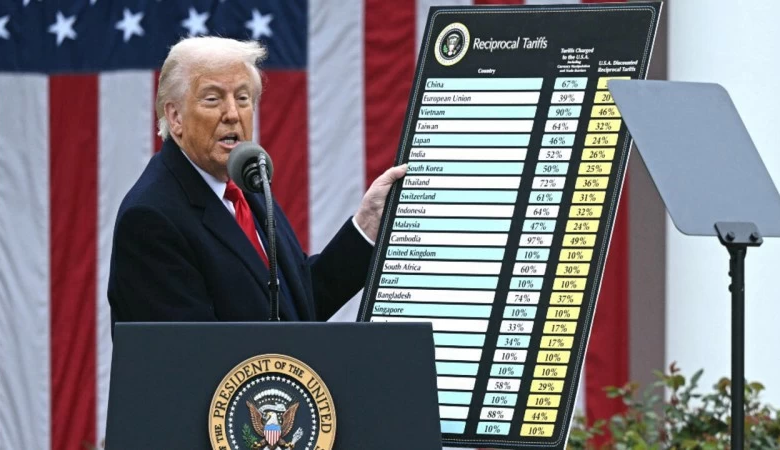
In an official legal memorandum, the agency detailed the obstacles it faces, noting that the sheer volume of data and financial transactions far exceeds the capacity of current systems to process them immediately. The agency explained that it has collected approximately $166 billion in fees levied under the International Emergency Economic Powers Act since last year. These substantial sums were collected through more than 53 million import declarations submitted by over 330,000 importers, making the auditing and refund process an extremely complex logistical and technical undertaking.
Legal framework and background of the conflict
This stance from U.S. Customs and Border Protection is a direct response to a recent Supreme Court ruling that deemed the tariffs imposed by former President Trump under this law illegal. The case stems from the protectionist trade policies of the previous administration, pursued under the banner of "America First," which used emergency economic laws to impose sweeping tariffs on imports, triggering a wave of lawsuits from affected businesses and importers who incurred significant additional costs.
Expected payment schedule
In an effort to reassure markets and importers, the Customs Authority indicated in its memo that a timeline is in place to address this crisis. It confirmed that it is currently upgrading its technological infrastructure to handle this massive volume of financial data. The Authority anticipates being ready to begin disbursing refunds by the end of April, as soon as its electronic systems are fully updated to ensure the accuracy of refund processes and prevent any potential accounting errors.
Expected economic impact
This announcement carries significant economic weight, as the US business sector anticipates a massive cash injection of $166 billion into corporate accounts. The reimbursement of these duties is expected to alleviate financial pressures on importers and potentially have a positive impact on consumer prices, since companies had been passing on a portion of the cost of these duties to consumers. Economic analysts are closely monitoring Customs and Border Protection's adherence to the April deadline, given its direct impact on the cash flow of large and medium-sized US companies.