
Introduction: Unprecedented economic challenges
In a move reflecting the magnitude of current economic challenges, the US Federal Reserve (the central bank) kept its benchmark overnight interest rate unchanged, maintaining it in a range between 3.50% and 3.75%. This decision coincides with the US national debt reaching an unprecedented record high, exceeding $39 trillion. These sensitive financial developments come amid escalating geopolitical tensions, specifically more than two weeks after the outbreak of US-Israeli military confrontations with Iran, placing the entire global economy under significant pressure.
The historical context of the American debt crisis
The US national debt reaching this enormous figure was not a sudden occurrence, but rather the result of a long history of persistent budget deficits. Historically, the US debt began to rise significantly after the 2008 global financial crisis, and it was exacerbated by the massive stimulus packages enacted to address the repercussions of the COVID-19 pandemic. Today, this figure presents a formidable challenge for the US administration, which finds itself torn between the need to pass new tax laws, increase defense spending, and intensify immigration controls, and the repeated political promises to reduce the debt – promises frequently made by former President Donald Trump during his election campaigns and his presidency.
The impact of interest and debt on citizens and the local economy
Domestically, the Government Accountability Office (GAO) has indicated that the continued rise in government debt is having a heavy impact on American citizens. This impact is evident in the increased costs of basic borrowing, such as mortgages and auto loans. Furthermore, this situation is leading to lower real wages due to reduced liquidity available to businesses for investment and expansion, as well as a significant rise in the prices of essential goods and services that affect daily life.
Balancing risks and global energy shocks
In a related development, Federal Reserve Chairman Jerome Powell stated that the central bank is facing a "difficult situation" requiring a careful balancing of risks. He revealed that the recent meeting included serious discussions about the possibility of raising interest rates again if necessary. Powell strongly warned that the US economy is currently facing an "energy shock" of uncertain magnitude and duration. He emphasized that continued increases in fuel and energy prices will inevitably push inflation higher, negatively impacting domestic consumption.
Regional and international repercussions and the Strait of Hormuz
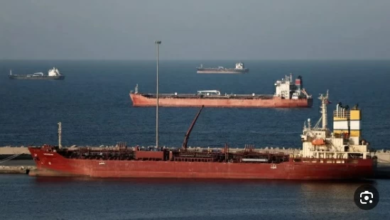
At the regional and international levels, the Strait of Hormuz is of paramount importance as a vital artery through which approximately one-fifth of the world's oil consumption passes. While the US Federal Reserve does not have precise post-war oil price forecasts, it is closely monitoring the repercussions of supply chain disruptions, particularly for non-oil goods stranded in the Strait, and the direct impact this would have on American consumers and global markets, which are heavily reliant on the stability of maritime traffic in this region.
Inflation and labor market indicators
Economically, the annual inflation rate for personal consumption expenditures (PCE) is estimated at 2.8%, while core personal spending rose by 3%. In a worrying sign, job creation in the US private sector has fallen to zero. Despite these challenges and rising near-term inflation expectations, Powell reaffirmed the Fed's firm commitment to achieving its 2% inflation target, praising the resilience the US economy has shown in the face of these headwinds.
Unsustainable financial path
In conclusion, Jerome Powell asserted that the current trajectory of federal debt growth is "unsustainable" and must be radically addressed. While he ruled out the possibility of this debt causing an imminent negative crisis in the financial markets in the near term, he stressed the need for swift action. He explained the current economic paradox, stating, "We are currently running a very large deficit at full employment, and therefore the fiscal picture needs immediate attention, but unfortunately, that is not happening.".