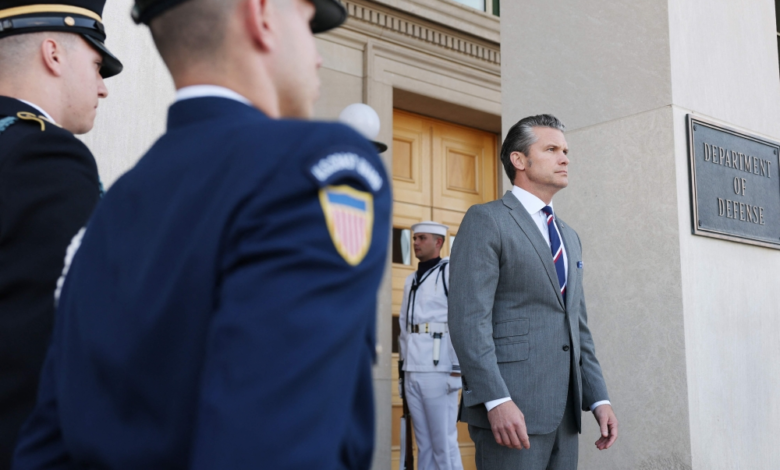

في تطور لافت يلقي بظلاله على مستقبل العلاقات عبر الأطلسي، تأكد غياب وزير الدفاع الأمريكي، بيت هيغسيت، عن اجتماع وزراء دفاع دول حلف شمال الأطلسي (الناتو) المقرر عقده في العاصمة البلجيكية بروكسل يوم 12 فبراير الجاري. وقد أكد مسؤول أمريكي رفيع المستوى هذا النبأ، مشيراً إلى أن هيغسيت لن يكون حاضراً في هذا اللقاء الحيوي الذي يأتي في توقيت حساس للغاية بالنسبة للأمن العالمي.
من سينوب عن وزير الدفاع الأمريكي؟
وفقاً للمصادر الرسمية، سيحل محل الوزير الغائب المسؤول الثالث في وزارة الدفاع الأمريكية (البنتاغون)، إلبريدج كولبي. ويُعد كولبي شخصية محورية في صياغة استراتيجيات الدفاع الأمريكية، إلا أن إرسال مسؤول من الصف الثالث لتمثيل الولايات المتحدة في اجتماع بهذا الحجم قد يبعث برسائل متباينة للحلفاء الأوروبيين، خاصة في ظل التوترات الجيوسياسية الراهنة.
خلفيات التوتر: أزمة غرينلاند والسيادة
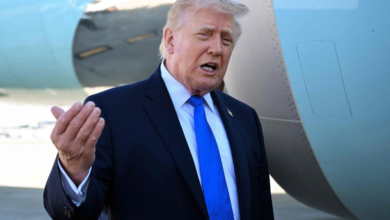
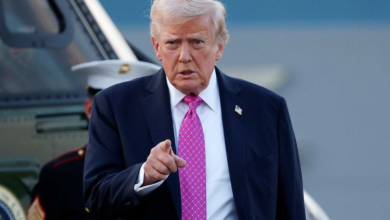
لا يمكن فصل هذا الغياب عن السياق العام للعلاقة المتوترة بين الإدارة الأمريكية الحالية وحلف الناتو. ففي يناير الماضي، أثار الرئيس الأمريكي دونالد ترامب جدلاً واسعاً أعاد للأذهان أزمات سابقة، وذلك بتهديده بفرض السيطرة الأمريكية على جزيرة غرينلاند، التي تتمتع بحكم ذاتي تحت السيادة الدنماركية. هذا الموقف أعاد إحياء المخاوف الأوروبية من النزعة الأحادية في السياسة الأمريكية، حيث يرى الرئيس الأمريكي ضرورة وضع الإقليم تحت الحماية الأمريكية لأسباب استراتيجية، وهو ما قوبل برفض دنماركي وأوروبي قاطع.
الأهمية الاستراتيجية والتحركات في القطب الشمالي
تأتي هذه التطورات في وقت بدأ فيه حلف الناتو التخطيط لإرسال بعثة عسكرية إلى المنطقة القطبية الشمالية استجابة للمخاوف الأمريكية المتزايدة بشأن التنافس الدولي في تلك المنطقة الغنية بالموارد. ويشير المحللون إلى أن غياب وزير الدفاع الأمريكي قد يُقرأ على أنه ورقة ضغط سياسية أو تعبير عن عدم الرضا عن وتيرة استجابة الحلف للمطالب الأمريكية، لا سيما فيما يتعلق بزيادة الإنفاق الدفاعي وتوزيع الأعباء المالية.
تأثير الحدث على تماسك الحلف
يُعد اجتماع وزراء دفاع الناتو محطة أساسية لتنسيق الجهود العسكرية والسياسية بين الدول الأعضاء. وغياب رأس الهرم الدفاعي الأمريكي قد يؤثر على سرعة اتخاذ القرارات الحاسمة، خاصة في ملفات شائكة مثل الدعم العسكري لأوكرانيا وتعزيز الجناح الشرقي للحلف. ويبقى السؤال المطروح حول ما إذا كان هذا الغياب مجرد عارض لوجستي أم مؤشراً على نهج جديد في تعامل واشنطن مع شركائها التقليديين في القارة العجوز.