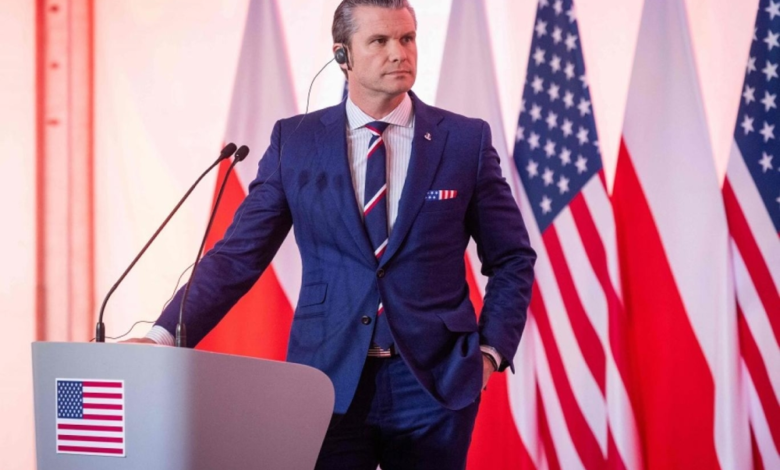

إلغاء المؤتمر الصحفي لوزير الدفاع الأمريكي
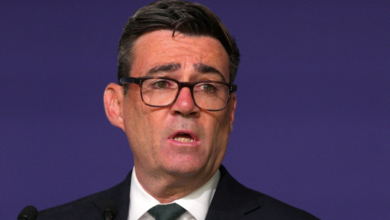
في تطور مفاجئ يعكس حجم التوترات المتصاعدة، أفادت مصادر إعلامية، نقلاً عن قناة العربية، بإلغاء المؤتمر الصحفي الذي كان مقرراً عقده اليوم لوزير الدفاع الأمريكي بيت هيجسيث في مقر وزارة الدفاع الأمريكية (البنتاغون). يأتي هذا الإلغاء في وقت تشهد فيه الساحة السياسية والعسكرية حالة من الترقب الشديد، مما يثير تساؤلات عديدة حول الخطوات القادمة للإدارة الأمريكية في تعاملها مع الملف الإيراني المعقد.
تهديدات أمريكية غير مسبوقة باستهداف البنية التحتية الإيرانية
تزامن هذا الإلغاء مع تصريحات شديدة اللهجة أطلقها الرئيس الأمريكي دونالد ترامب، حيث وجه تهديدات مباشرة وصريحة بتدمير البنية التحتية المدنية في إيران. وفي تفاصيل التصريح، توعد ترامب بنسف الجسور ومحطات توليد الطاقة الكهربائية وإخراجها عن الخدمة تماماً في غضون 4 ساعات فقط، ما لم يتم التوصل إلى اتفاق يرضي تطلعات الإدارة الأمريكية. وأكد ترامب في تصريحاته أن القوات المسلحة الأمريكية تمتلك خطة جاهزة ومحكمة لتنفيذ هذه الضربات بحلول منتصف الليل، مشدداً على أن التنفيذ رهن بقرار الإدارة الأمريكية.
جهود الوساطة الدولية وموقف واشنطن
على الصعيد الدبلوماسي، تسعى أطراف إقليمية ودولية لنزع فتيل الأزمة وتجنب اندلاع صراع عسكري واسع النطاق. وقد برزت كل من باكستان وتركيا ومصر كأطراف وسيطة بين طهران وواشنطن، حيث قدمت هذه الدول مقترحاً لوقف إطلاق النار والتهدئة. ورغم إقرار الرئيس الأمريكي بأهمية هذه الخطوة، إلا أنه وصف المقترح بأنه “ليس جيداً بالقدر الكافي”، مشيراً إلى أن المفاوضات لا تزال جارية عبر الوسطاء، وأن الساعات القادمة ستحدد مسار الأحداث.
السياق التاريخي للتوترات الأمريكية الإيرانية
لفهم طبيعة هذا التصعيد، يجب النظر إلى السياق التاريخي للعلاقات بين الولايات المتحدة وإيران، والتي اتسمت بالعداء والتوتر منذ عقود. وقد شهدت فترة الرئاسة السابقة لترامب تطبيق استراتيجية “الضغوط القصوى”، والتي تضمنت الانسحاب الأحادي من الاتفاق النووي الإيراني في عام 2018، وفرض عقوبات اقتصادية قاسية على طهران. هذا الإرث من انعدام الثقة يجعل من أي تصعيد حالي امتداداً لسياسة أمريكية تهدف إلى تحجيم النفوذ الإيراني في المنطقة ومنع طهران من امتلاك قدرات تهدد المصالح الأمريكية وحلفاءها.
التأثير المتوقع للتصعيد: محلياً، إقليمياً، ودولياً
يحمل هذا التصعيد في طياته تداعيات خطيرة على مستويات عدة. محلياً في إيران، فإن استهداف البنية التحتية المدنية كالمحطات الكهربائية والجسور سيؤدي إلى شلل تام في الحياة اليومية وتفاقم الأزمات الاقتصادية والإنسانية. إقليمياً، ينذر الصراع باشتعال منطقة الشرق الأوسط بأكملها، حيث قد تتدخل أطراف أخرى في المنطقة، مما يهدد أمن الدول المجاورة والممرات المائية الاستراتيجية.
أما على الصعيد الدولي، فإن أي ضربة عسكرية في هذه المنطقة الحساسة ستؤدي حتماً إلى اضطرابات عنيفة في أسواق الطاقة العالمية. مضيق هرمز، الذي يمر عبره جزء كبير من إمدادات النفط العالمية، قد يتأثر بشدة، مما سيرفع أسعار النفط بشكل جنوني ويؤثر سلباً على الاقتصاد العالمي الذي يعاني بالفعل من تحديات تضخمية. المجتمع الدولي يراقب الآن بقلق بالغ، آملاً أن تنجح جهود الوسطاء في اللحظات الأخيرة قبل الانزلاق نحو مواجهة شاملة.