
في تطور لافت يعكس تصاعد حدة التوتر في المنطقة، أفادت وسائل إعلام أمريكية بأن وزارة الدفاع (البنتاغون) أصدرت أوامر بتحريك حاملة طائرات ثانية إلى منطقة الشرق الأوسط. وتأتي هذه الخطوة في وقت يدرس فيه الرئيس دونالد ترامب خيارات عسكرية حاسمة ضد طهران، بالتزامن مع تعثر المساعي الدبلوماسية المتعلقة بالملف النووي.
تعزيزات عسكرية ضخمة في مياه الخليج
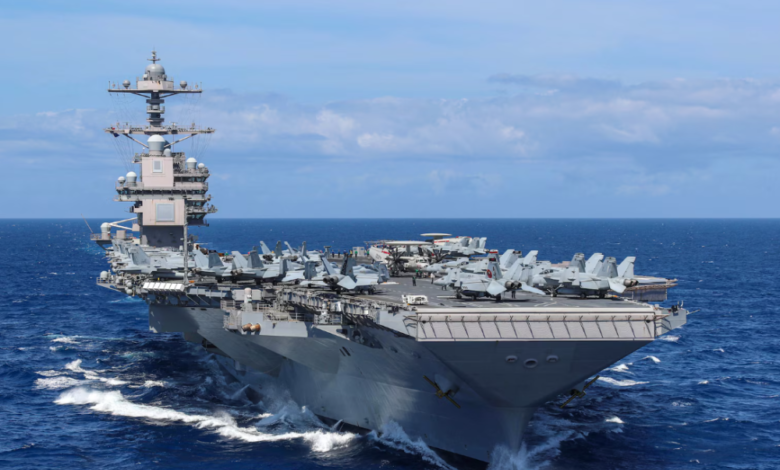
نقلت تقارير عن مسؤولين أمريكيين تأكيدهم أن حاملة الطائرات "يو إس إس جيرالد آر فورد"، التي تعد من أحدث وأضخم القطع البحرية في الأسطول الأمريكي، ستغادر موقعها الحالي في البحر الكاريبي لتنضم إلى المجموعة الضاربة الموجودة بالفعل في المنطقة. وتأتي هذه الخطوة لتعزيز وجود حاملة الطائرات "يو إس إس أبراهام لينكولن" والسفن الحربية المرافقة لها، والتي أرسلها ترامب في وقت سابق إلى الخليج كرسالة ردع مباشرة.
ويشير الخبراء العسكريون إلى أن وجود حاملتي طائرات في مسرح عمليات واحد يعد إجراءً استثنائياً لا تلجأ إليه الولايات المتحدة إلا في حالات التأهب القصوى أو التحضير لعمليات عسكرية واسعة النطاق، مما يبعث برسائل قوية لكافة الأطراف الإقليمية حول جدية الموقف الأمريكي.
خلفيات التوتر والمحادثات النووية
يأتي هذا التحشيد العسكري في أعقاب محادثات غير مباشرة جرت الأسبوع الماضي بين واشنطن وطهران حول مستقبل البرنامج النووي الإيراني. ورغم المحاولات الدبلوماسية، حذر الرئيس ترامب من عواقب وصفها بـ "المؤلمة للغاية" على الجمهورية الإسلامية في حال عدم التوصل إلى اتفاق نووي جديد يرضي المعايير الأمريكية ويحد من نفوذ طهران الإقليمي.
وتعود جذور هذا التصعيد إلى انسحاب الولايات المتحدة من الاتفاق النووي وفرض سياسة "الضغوط القصوى"، التي تهدف إلى خنق الاقتصاد الإيراني لإجبار طهران على الجلوس إلى طاولة المفاوضات بشروط جديدة. وقد تزامنت هذه التطورات مع موجة من الاحتجاجات الداخلية في إيران، والتي واجهتها السلطات بقمع وصفته الإدارة الأمريكية بالدموي، مما زاد من تعقيد المشهد السياسي.
تداعيات إقليمية ودولية محتملة
يثير هذا التصعيد مخاوف واسعة النطاق على المستويين الإقليمي والدولي. فعلى الصعيد الإقليمي، تخشى دول الخليج من أن يؤدي أي احتكاك عسكري غير محسوب إلى اندلاع مواجهة شاملة قد تطال البنية التحتية للطاقة وتهدد حركة الملاحة في مضيق هرمز الاستراتيجي. أما دولياً، فتراقب أسواق النفط هذه التحركات بقلق، حيث غالباً ما تؤدي مثل هذه التوترات إلى ارتفاع أسعار الخام عالمياً نتيجة المخاوف من تعطل الإمدادات.
وأشارت صحف كبرى مثل "وول ستريت جورنال" و"نيويورك تايمز" إلى أن البنتاغون يضع كافة السيناريوهات على الطاولة، وأن نشر "جيرالد فورد" يهدف إلى توفير خيارات هجومية ودفاعية متعددة للرئيس الأمريكي في حال قرر تحويل تهديداته إلى واقع ملموس.