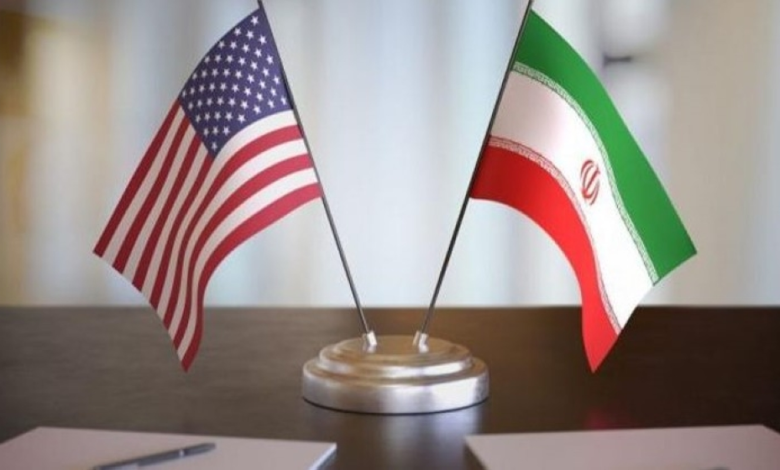
In a further escalation reflecting strained relations between Washington and Tehran, the United States officially designated Iran as a "state sponsor of unlawful detention" on Friday. This unprecedented move, under a new classification aimed at increasing pressure on the Iranian regime, could pave the way for a comprehensive travel ban that would prohibit U.S. passport holders from visiting Iran under penalty of law.
Marco Rubio: This shameful practice must stop
In an official statement, US Secretary of State Marco Rubio that this move was in response to Tehran's decades-long practices. Rubio stated, "For decades, Iran has continued to cruelly detain innocent Americans, along with citizens of other countries, to use them as political leverage against other nations. This reprehensible practice must end."
In his statement, which coincided with Washington's threat of military action, the Secretary added: "The Iranian regime must end its policy of hostage-taking and release all Americans unjustly detained in Iran, steps that could lead to the termination of this designation and related measures." Rubio emphasized that Tehran's continued adherence to this approach would compel Washington to consider "additional measures, including the possibility of imposing geographic restrictions on the use of U.S. passports for travel to, transit through, or from Iran.".
Historical context: Hostage diplomacy
This tension is not a recent development; its roots extend back to 1979 with the storming of the US embassy in Tehran and the infamous hostage crisis. Since then, Tehran has consistently engaged in what experts call "hostage diplomacy," detaining dual nationals and foreigners on charges often related to espionage without presenting public evidence, using them as bargaining chips in political negotiations or to unfreeze Iranian assets abroad.
The new classification is based on recent U.S. legislation aimed at protecting American citizens abroad, such as the Robert Levinson Act of 2020, which gives the U.S. administration stronger tools to hold accountable regimes that practice arbitrary detention as a state policy.
The repercussions of the decision and the future of relations
This designation carries serious political and legal implications; it escalates warnings from mere "advice against travel" (Level 4) to punitive measures that could make travel itself a violation of US law, similar to the restrictions previously imposed on North Korea. This shift indicates that the current US administration is moving toward a policy of "maximum pressure" and further diplomatic isolation of Tehran.
Regionally, this decision could complicate any future efforts to revive the nuclear agreement or negotiate a prisoner exchange, as Washington prioritizes human rights and the safety of its citizens above any political understandings. Meanwhile, Washington reiterated its stern warning: "No American should travel to Iran for any reason," urging its citizens currently there to "leave immediately" to avoid the risk of detention.