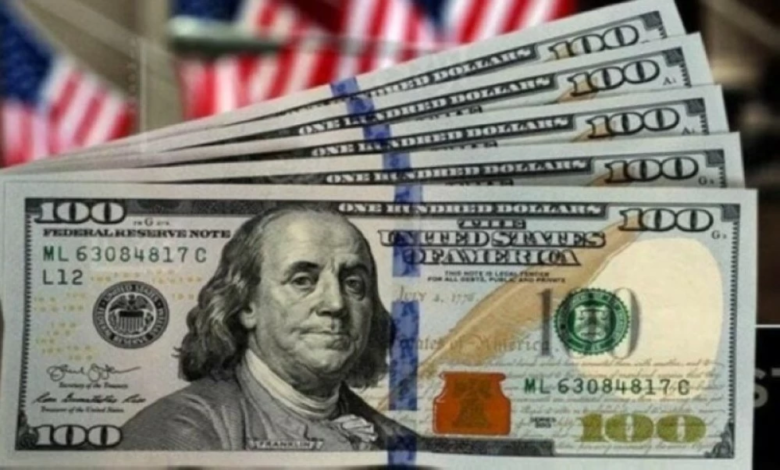

Global financial markets witnessed a significant shift as the US dollar fell to its lowest level in nearly four years . Selling pressure on the greenback continued, fueled by uncertainty surrounding US economic and monetary policies. This decline comes at a particularly sensitive time for the global economy, as investors reassess their portfolios based on future interest rate and inflation expectations.
Currency and major indices performance
According to recent market data, the Bloomberg Dollar Spot Index fell 0.4% to 96.616 , its lowest level since March 2022. This decline was not an isolated event, but rather coincided with a notable rebound in major rival currencies. The euro posted strong gains, rising 0.4% to $1.1924, benefiting from the weakness of the US dollar and improving economic data in the Eurozone. The British pound also continued its upward trend for the fourth consecutive session, rising 0.42% to $1.3735.
Await the Federal Reserve's decisions
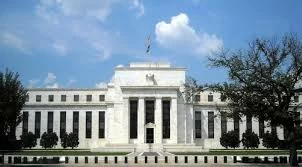
The world and investors are focused on Washington, D.C., awaiting the outcome of the Federal Reserve meeting, which begins today, Tuesday, and concludes tomorrow, Wednesday. Widespread expectations on Wall Street and in global markets indicate that the Fed will leave interest rates unchanged at this meeting. This expectation is a major driver of the dollar's weakness, as a pause in the rate-hiking cycle reduces the attractiveness of dollar-denominated assets compared to other currencies whose central banks may still be pursuing tighter monetary policies.
Expected economic effects of the dollar's decline
The decline of the dollar carries far-reaching economic implications that extend beyond the borders of the United States:
- Supporting US exports: A lower value of the local currency usually makes US goods and services cheaper for foreign buyers, which can boost the export sector and reduce the trade deficit.
- Commodity price recovery: Since most primary commodities such as oil and gold are priced in dollars, a decline in the US currency often leads to higher prices for these commodities, which benefits oil and mineral exporting countries.
- Emerging markets: A weak dollar is good news for emerging economies with dollar-denominated debt, as the cost of servicing this debt becomes less burdensome, thus enhancing financial stability in those countries.
In conclusion, the “uncertainty” associated with US policies remains a crucial factor in determining the currency’s trajectory in the coming period, pending the outcome of the Federal Reserve’s concluding statement and the press conference of its chairman, which may outline the monetary policy for the coming months.