
Jerome Powell's remarks on economic challenges
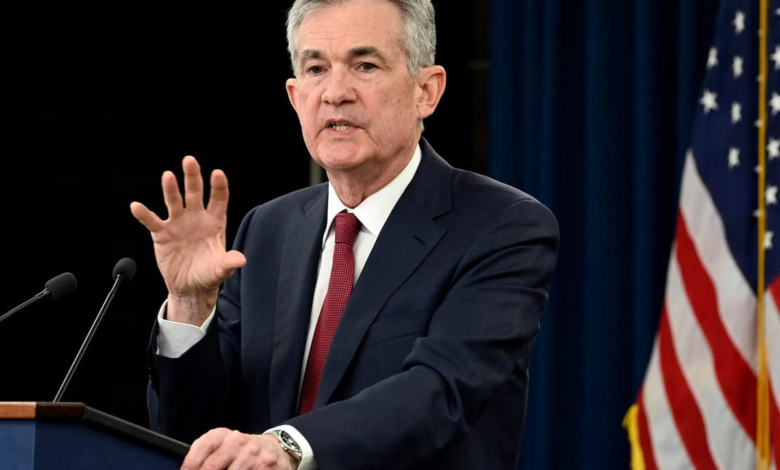
Federal Reserve Chairman Jerome Powell announced that the US economy is going through a delicate and sensitive period, facing what he described as an "energy shock" whose magnitude and duration remain unclear. Reflecting the scale of the challenges, Powell indicated that the central bank is in a "difficult situation" requiring it to carefully balance multiple risks. The most recent meeting of the monetary policy committee saw extensive discussions regarding the possibility of raising interest rates again to stabilize the situation.
General context and historical background
These statements come at a time when the global economy is grappling with complex geopolitical repercussions. Historically, energy shocks have been a severe test for central banks, often leading to mounting inflationary pressures reminiscent of the hyperinflationary crises of past decades. In the current context, these warnings coincide with ongoing global tensions that directly impact supply chains. Powell cautioned that excessively high energy prices will push inflation higher, emphasizing that prolonged high fuel prices will have a profoundly negative impact on consumption levels in the United States, which is the primary driver of economic growth.
The most appropriate step for monetary policy
Despite these challenges, Powell explained that a majority of Federal Open Market Committee (FOMC) members do not believe raising interest rates is the most appropriate course of action at the upcoming meeting. They consider current rates to be within a balanced and suitable range between monetary tightening and loosening, giving the central bank room to monitor the impact of past policies on the real economy without triggering a sharp slowdown or a sudden recession.
Oil forecasts and global supply chains
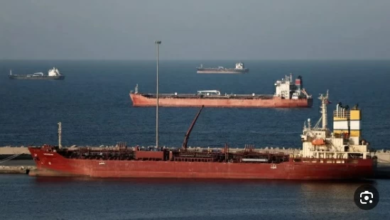
Regarding energy markets, the Federal Reserve Chairman explained that the bank does not have specific forecasts for oil prices beyond periods of armed conflict, but is closely and with great concern monitoring the effects of supply chain disruptions. He specifically pointed to other non-oil commodities that could be affected by disruptions in vital shipping lanes such as the Strait of Hormuz, one of the world's most important waterways for trade, which directly impacts the cost of living for the American consumer.
Economic indicators and the labor market
Regarding recent economic data, Powell revealed that February's estimates indicated an annual inflation rate for personal consumption expenditures (PCE) at 2.8%, while core PCE rose by 3.0%. In a significant indicator of slowing economic activity, Powell pointed to the decline in private-sector job creation in the US to near zero, reflecting a clear cooling in the labor market in response to previous tightening policies.
Expected impact locally and internationally
These developments have far-reaching implications. Domestically, continued inflation will put pressure on the purchasing power of the average American. Regionally and internationally, the world is watching closely to see whether US interest rates remain at a balanced level, as the Federal Reserve's decisions affect global capital flows, the strength of the dollar, and the cost of debt in emerging markets, which are highly sensitive to any changes in US monetary policy.
A firm commitment despite the challenges
Despite rising near-term inflation expectations, Powell reaffirmed the Federal Reserve's unwavering commitment to achieving its 2% inflation target. He concluded his remarks with a message of reassurance, emphasizing that the U.S. economy has demonstrated exceptional strength and resilience in the face of recent challenges, reinforcing confidence in its ability to absorb and successfully overcome this shock.