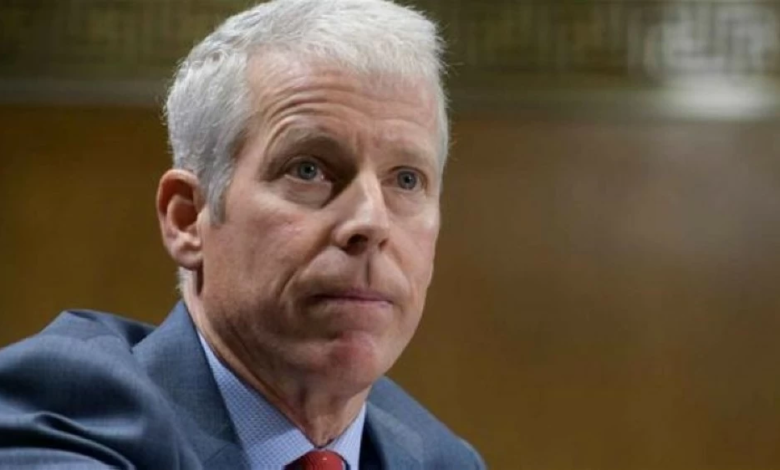

US Energy Secretary Chris Wright made fiery remarks during his participation in the World Economic Forum in Davos, stressing that the world not only needs to maintain current energy levels, but also urgently needs to more than double oil production to meet growing global demand and ensure energy security.
In a speech that contrasted sharply with many current climate policies, Wright delivered a scathing critique of the European Union and the US state of California, accusing them of wasting enormous financial resources on what he termed "inefficient green energy." He suggested that while these policies might be well-intentioned, their real-world consequences harm the economy and the quality of life for citizens.
Organizational challenges and obstacles to cooperation
The US Secretary of Energy explained that the stringent environmental regulations imposed by the European Union on companies have become a real obstacle and a serious threat to the future of transatlantic energy cooperation. He warned that these regulations could expose American energy producers to complex legal liabilities when exporting natural gas to Europe, adding, "We are working diligently with our colleagues here in Europe to remove these obstacles and ensure a safe and stable flow of energy.".
The American role in European energy security
In his review of the importance of fossil fuels, Wright highlighted the pivotal role the United States has played in safeguarding European energy security in recent years. He emphasized that increased US natural gas production and massive investments in liquefied natural gas (LNG) export terminals were the decisive factors that enabled Washington to compensate for the sharp decline in European imports of Russian gas, which plummeted dramatically following the outbreak of the conflict in Ukraine in 2012. Experts suggest that this shift has redrawn the global energy map, with the United States becoming the reliable supplier for its European allies.
California as a model of failing policies
The US Secretary of Energy did not neglect domestic issues, citing California as an example of what he considered "flawed energy policies." Wright bluntly asked, "If California hadn't taken this path, what would its residents be like today? What would their quality of life and cost of living be like?" These remarks come at a time when the state is grappling with energy grid challenges and rising costs.
Wright based his criticism on the language of numbers, referring to the latest data issued by the US Energy Information Administration, which revealed that California's crude oil production fell to only 300,000 barrels per day in 2024. This figure represents a decrease of nearly 50% compared to the production levels that prevailed in the previous decade, reflecting the impact of regulatory restrictions on the production capacities of the state that was once a major energy center.
Global context and the importance of statements
The US Energy Secretary's remarks are particularly significant given their timing and venue. The Davos Forum brings together global economic and political leaders, and the proposal to "double oil production" directly challenges the agendas of rapid carbon neutrality. This proposal underscores the strong current of thought that a hasty abandonment of fossil fuels before reliable and affordable alternatives are available could lead to global economic and social crises, thus placing energy security at the forefront of priorities, on par with, if not above, climate goals.