Challenges facing the US Federal Reserve: Inflation and employment determine interest rates

The dual mandate challenge facing the US Federal Reserve
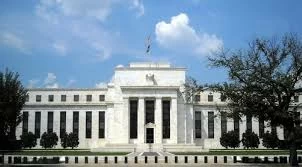
The US Federal Reserve (the central bank) faces a complex economic challenge at its crucial meeting today: striking a delicate balance between two key objectives—controlling inflation to ensure price stability and supporting the labor market to achieve full employment. These challenges come against a backdrop of a turbulent global economic landscape, where domestic and international factors are intertwined, placing unprecedented pressure on monetary policymakers.
Historically, this challenge is known as the “dual mandate,” a principle adopted by the US administration since the late 1970s. It obligates the Federal Reserve to use its monetary policy tools, primarily interest rates, to maximize employment while maintaining price stability. In normal times, these two objectives can be managed harmoniously, but during crises, they become conflicting. Raising interest rates to curb inflation can lead to slower economic growth and job losses, while lowering them to stimulate employment can lead to runaway inflation.
The impact of energy prices and geopolitical tensions
In the current context, several factors complicate the Federal Reserve's task. First, the significant rise in global energy prices, largely due to escalating geopolitical tensions in the Middle East, including those related to Iran and their impact on shipping lanes and oil supplies, is creating imported inflationary pressures that are difficult for the central bank to control using its traditional tools. Second, recent economic data showed an unexpected increase in unemployment rates during February, indicating that the Fed's recent monetary tightening policy is beginning to have a negative impact on the labor market.
Expectations for today's interest rate meeting and its global impact
As a result of this apparent contradiction between persistent inflationary pressures and declining employment indicators, experts and financial analysts expect the US Federal Reserve to maintain interest rates unchanged (holding rates steady) at today's meeting. This stance reflects a cautious approach, as bank officials prefer to assess further economic data before taking any dramatic steps that could harm the economy.
Regionally and internationally, the Federal Reserve's decisions carry significant weight that extends far beyond the borders of the United States. The US dollar is the world's primary reserve currency, and any change in interest rates has an immediate impact on global capital flows. For Arab countries, particularly the Gulf states whose currencies are pegged to the dollar, central banks often follow the Fed's interest rate decisions to maintain exchange rate stability, which in turn affects borrowing costs and domestic economic growth. In emerging markets, persistently high US interest rates increase debt servicing burdens and lead to an outflow of foreign investment.
In conclusion, today's meeting represents a pivotal point that may reveal divisions within the Federal Reserve regarding the top priority for the next phase: Is it to continue fighting stubborn inflation, or to intervene to save the labor market from a possible recession? The coming days will reveal how the world's largest economy will deal with these challenges.