The US Federal Reserve and the interest rate decision: Expectations of a hold despite Trump's pressure

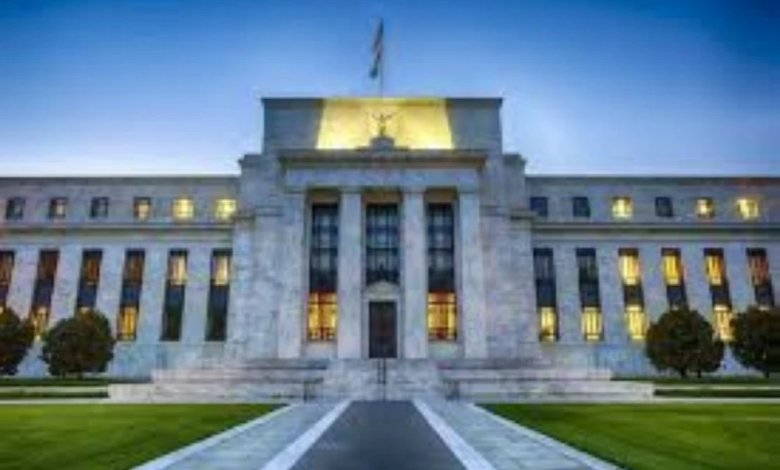
Investors and economists around the world are focused today on Washington, D.C., where the U.S. Federal Reserve (the central bank) is expected to announce its monetary policy decision. The prevailing market expectation is that the Fed will maintain the benchmark interest rate at its current level of 3.6%, adopting a cautious stance and ignoring repeated and public calls from President Donald Trump for a rate cut, following three consecutive quarter-point reductions last year.
Conflicting economic indicators
This anticipated decision comes amid a careful analysis of the US economic landscape. On the one hand, there are positive indicators related to stable unemployment rates and signs of economic recovery, mitigating recession fears. On the other hand, inflation remains a major concern for monetary policymakers, as rates remain well above the Federal Reserve's official target of 2%, making a decision to maintain the current rate a logical option to avoid reigniting inflationary pressures.
The dilemma of monetary policy and internal division
One of the key issues Federal Reserve Chair Jerome Powell is likely to address at his press conference today is the timeframe for current monetary policy. The Federal Open Market Committee (FOMC) is notably divided on the issue; one faction of officials takes a hawkish approach, opposing any further rate cuts until there is compelling evidence that inflation is moving toward the Fed's target, while another faction favors easing monetary policy to support the labor market and further stimulate employment.
Historical background and White House pressures
This week's meeting is particularly significant as it comes amid unprecedented pressure from the Trump administration, which sees interest rate cuts as a way to boost economic growth ahead of upcoming political events. It's worth noting that the central bank's rate cuts last year were precautionary measures aimed at protecting the economy from the fallout of the trade war, specifically to prevent a sharp decline in the labor market following the noticeable slowdown in hiring that ensued after the imposition of comprehensive tariffs on imports last April.
Future expectations and the impact of the decision
Despite the expected rate cut today, most economists still anticipate the Federal Reserve will cut interest rates twice later this year, with the first cut likely at the June meeting or later, provided inflation continues to decline. This underscores the Fed's commitment to its independence in making decisions based solely on economic data, free from political pressures, to ensure the stability of the world's largest economy.