US troop casualties: 200 wounded since the start of the escalation with Iran

Tensions escalate: Dozens of US troops injured
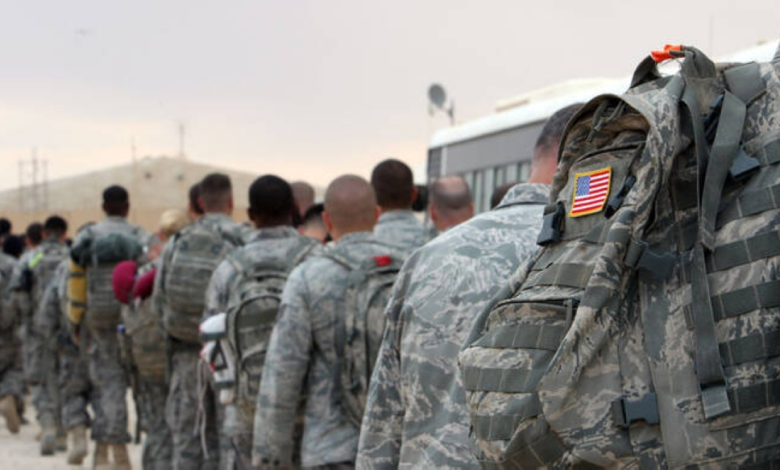
A US military spokesman announced on Monday a new and alarming toll of US casualties amid the recent military escalation. Nearly 200 US troops stationed in the Middle East have been wounded since the outbreak of direct confrontations and the war with Iran. These developments highlight the scale of the risks faced by international forces in one of the world's most volatile regions.
In a detailed statement, Captain Tim Hawkins, spokesperson for U.S. Central Command (CENTCOM), explained the nature of the injuries. Hawkins confirmed that “most of these injuries are classified as minor,” noting that prompt medical attention enabled more than 180 personnel to return to their military duties and field operations. However, the spokesperson revealed that there were 10 cases described as “serious,” requiring intensive medical care. U.S. Central Command plays a vital role in protecting U.S. and allied interests in the Middle East and operates a vast network of military bases.
Heavy economic losses hit Tehran
On the other side of the conflict, Tehran is suffering unprecedented economic and military losses. Estimates from the Israeli occupation, reported by Al-Arabiya news channel, indicate that Iran's total losses from this war have reached approximately $20 billion. This economic blow is devastating for a country already suffering from a severe financial crisis and high inflation as a result of international and American sanctions imposed on it for many years due to its nuclear program and regional activities.
Reports and analyses accompanying this conflict suggest that the war is expected to last approximately six weeks. Some estimates go even further, predicting that "it won't be long before the Iranian regime falls," especially given the ongoing internal tensions and popular protests that have swept Iranian cities in recent years due to deteriorating living conditions and the economy.
The historical context of the US-Iran conflict
This escalation cannot be understood without considering the complex historical background of relations between Washington and Tehran. For decades, the United States and Iran have been engaged in a continuous “shadow war,” punctuated by cyberattacks, mutual targeting of interests, and Tehran’s use of its allied armed groups in countries such as Iraq, Syria, Lebanon, and Yemen to exert pressure on the American presence. These casualties among American troops are reminiscent of the 2020 Iranian missile attack on the Ain al-Asad airbase in Iraq, which resulted in traumatic brain injuries to dozens of American soldiers, underscoring that targeting American forces is a recurring strategy during periods of heightened tension.
The threats posed by the Revolutionary Guard and their regional and international repercussions
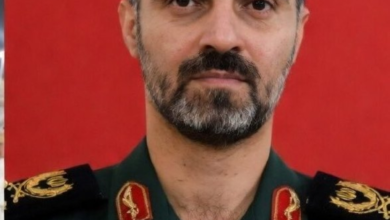
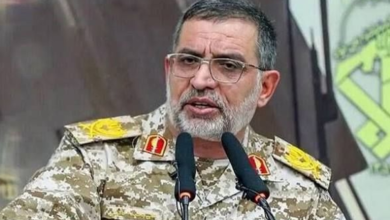
In a dangerous escalation reflecting the widening scope of the conflict, and on the seventeenth day of the war in the region, the Iranian Revolutionary Guard issued strongly worded warnings on Monday to American companies operating in the Middle East. The Revolutionary Guard threatened to directly target the headquarters of these companies, calling on their employees to evacuate and leave immediately.
The Revolutionary Guard published an official statement on its affiliated website, Sepah News, which read: “Employees of American companies are required to leave these locations immediately. These sites will soon become targets for the Islamic Revolutionary Guard Corps.”.
This threat carries extremely serious international and regional repercussions. Targeting foreign companies not only endangers the lives of civilians and employees, but also threatens to paralyze global trade and energy markets, given the strategic importance of the Arabian Gulf and the Middle East as a major artery for global oil and gas supplies. Transforming commercial companies into military targets could plunge the region into an economic and security crisis, drawing in other international actors to protect their geopolitical interests.