
Introduction: A sudden jump in fuel prices
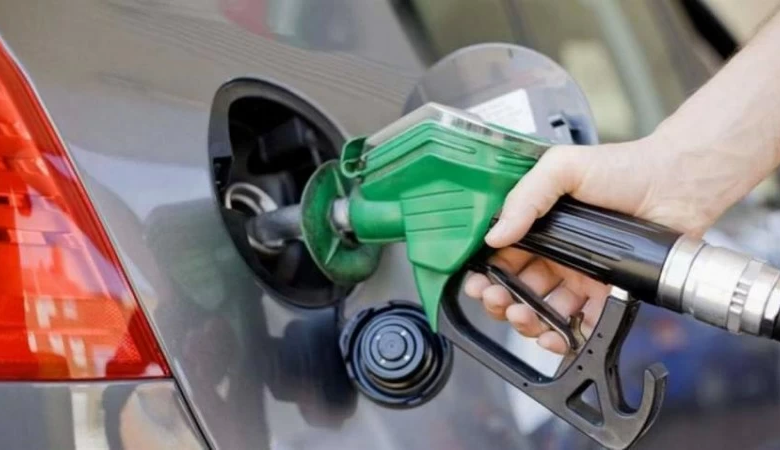
The US energy market has witnessed rapid developments, with gasoline prices at the pump surging by more than 30% this month. Despite President Donald Trump's strenuous efforts to curb this rise and contain supply disruptions stemming from the war in the Middle East, prices are steadily approaching the $4 per gallon mark. This sudden surge underscores the significant economic challenges facing the US administration during times of global crisis.
Geopolitical context: tensions in the Middle East
The primary reason for this sharp increase is the escalating geopolitical tensions in the Middle East. Historically, this region has been a vital artery for global oil supplies, and any threat to maritime security or the stability of producing nations is immediately reflected in energy markets. Average retail gasoline prices in the United States have risen by about 90 cents per gallon, an increase of over 30%, since the escalation of events in late February, which included military tensions involving the United States, Israel, and Iran. These events have created market anxiety, prompting investors to hedge against the effects of the oil market.
Impact of the crisis on global oil markets
The numbers clearly reflect the scale of the crisis. Data from the American Automobile Association (AAA) indicated that the average price of gasoline on Thursday was $3.88 per gallon. Meanwhile, West Texas Intermediate (WTI) crude oil futures jumped by nearly $30, a 43% increase. Prices rose from $67.02 per barrel to $96.14 during the same period. Reaching the $4 per gallon mark, a level not seen since August 2022, is a warning sign for the economy, as shipping and transportation costs are closely linked to energy costs.
Economic repercussions and pressure on the consumer
Domestically, this increase exacerbates the financial pressures on American consumers already struggling with inflation and the rising cost of living. Higher gasoline prices not only affect the cost of filling a car tank but also impact the prices of basic goods and food due to increased transportation and logistics costs. This situation weakens citizens' purchasing power and poses a significant challenge for financial authorities in their efforts to control inflation without plunging the country into recession.
Political headache before the elections
Politically, rising fuel prices at the pump have become a real headache for Trump and his Republican Party. In the United States, gasoline prices are a key indicator by which voters measure the administration's success in managing the economy. This crisis comes at a critical time, as the party prepares to launch its campaign to maintain its narrow majority in the US Congress during the midterm elections scheduled for November. Continued increases in energy prices could influence voter sentiment, giving opponents a significant advantage in the election race.
Summary and future projections
In conclusion, the economic and political landscape remains contingent on the ability to restore stability to global energy markets. Until efforts succeed in easing tensions in the Middle East, or alternatives are found to compensate for supply shortages, consumers will continue to bear the brunt of these conflicts. Achieving a balance between supply and demand in the oil market requires international stability to avert deeper crises that could severely impact economic growth in the near term.