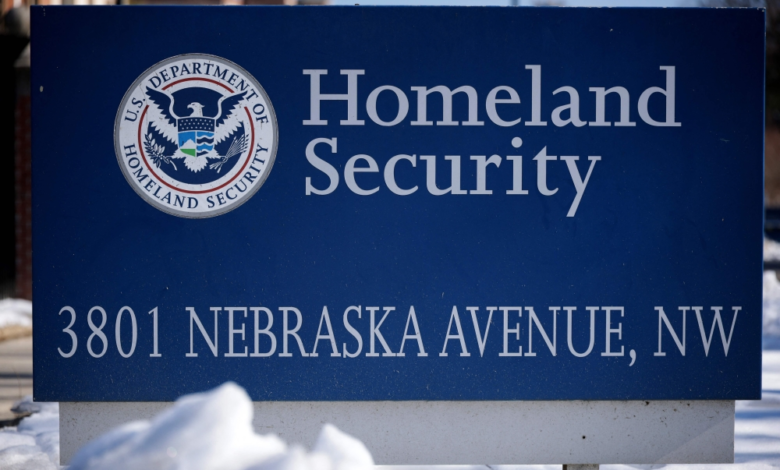

دخلت وزارة الأمن الداخلي الأمريكية، يوم السبت، في حالة إغلاق جزئي يُتوقع أن تمتد لفترة طويلة، وذلك نتيجة فشل الكونغرس في إقرار ميزانية التمويل اللازمة. وتعود أسباب هذا التعثر إلى خلافات سياسية عميقة بين الحزبين الديمقراطي والجمهوري تتمحور بشكل أساسي حول ممارسات وكالة إنفاذ قوانين الهجرة والجمارك (ICE) والتمويل المخصص لها.
جذور الأزمة.. خلافات حادة حول سياسات الهجرة
يتمسك الديمقراطيون بموقفهم الرافض لتمرير الميزانية دون فرض قيود صارمة على عمل إدارة الهجرة والجمارك. وقد تصاعدت حدة هذا الرفض عقب الحادثة التي وقعت في يناير الماضي في مينيابوليس، والتي أسفرت عن مقتل المواطنين الأمريكيين رينيه غود وأليكس بريتي برصاص عناصر الوكالة أثناء احتجاجهما على عمليات مكافحة الهجرة.
وفي هذا السياق، صرح حكيم جيفريز، زعيم الأقلية في مجلس النواب، قائلاً: "ينبغي استخدام أموال دافعي الضرائب لجعل الحياة أكثر يسراً للشعب الأمريكي، لا لتعذيبهم أو قتلهم"، مشيراً إلى أن العنف يرتبط بظهور عناصر الوكالة غير المدربين. في المقابل، اعتبرت كارولاين ليفيت، المتحدثة باسم البيت الأبيض، أن دوافع "سياسية وحزبية" تقف وراء تعطيل التمويل، مؤكدة انخراط الإدارة في مفاوضات جادة.
تأثيرات فورية على السفر والسلامة العامة
يترتب على هذا الإغلاق الجزئي تداعيات إدارية ولوجستية واسعة النطاق؛ حيث سيتم إيقاف آلاف الموظفين الفيدراليين عن العمل مؤقتاً، بينما سيضطر آلاف آخرون ممن تصنف وظائفهم كـ "أساسية" إلى مواصلة العمل دون تقاضي رواتبهم لحين حل الأزمة. ويشمل ذلك موظفي الوكالات الحيوية التابعة للوزارة.
وقد حذرت إدارة أمن النقل (TSA)، المسؤولة عن تأمين المطارات، من عواقب وخيمة في حال استمرار الإغلاق، مشيرة إلى احتمالية حدوث تأخيرات كبيرة في الرحلات الجوية، وزيادة أوقات الانتظار، واستنزاف طاقة الموظفين الذين يعملون تحت ضغط مالي ونفسي.
مصير الوكالات الفيدرالية وإدارة الكوارث
من الناحية القانونية والتشغيلية، أشار السيناتور الديمقراطي جون فيترمان إلى مفارقة في هذا الإغلاق، موضحاً أن تأثيره سيكون "معدوماً حرفياً" على إدارة الهجرة والجمارك (ICE) نفسها، نظراً لأن الكونغرس كان قد وافق على تمويلها في العام الماضي، مما يسمح لها بمواصلة عملياتها. في المقابل، سيطال الضرر الأكبر وكالات أخرى مثل الوكالة الفيدرالية لإدارة الطوارئ (FEMA)، المعنية بالاستجابة للكوارث الطبيعية، مما يثير مخاوف بشأن جاهزية الدولة للتعامل مع أي طوارئ محتملة خلال فترة الإغلاق.
التعقيدات التشريعية في مجلس الشيوخ
تزيد القواعد الإجرائية في مجلس الشيوخ الأمريكي من تعقيد المشهد؛ حيث يتطلب تمرير مشروع قانون الميزانية الحصول على 60 صوتاً من أصل 100. وهذا يعني أن الجمهوريين، رغم امتلاكهم الأغلبية، لا يمكنهم تمرير الميزانية منفردين ويحتاجون إلى دعم عدد من الديمقراطيين لكسر الجمود التشريعي.
ويُعد هذا الإغلاق هو الثالث خلال ولاية الرئيس دونالد ترامب الثانية، مما يعكس حالة الاستقطاب السياسي الحاد في واشنطن. ويستحضر هذا الوضع ذكريات الإغلاق الحكومي القياسي الذي استمر 43 يوماً في أكتوبر ونوفمبر الماضيين، مما يضع ضغوطاً إضافية على المشرعين الذين غادروا في إجازة قصيرة، مع إمكانية استدعائهم فور حدوث أي اختراق في المفاوضات.