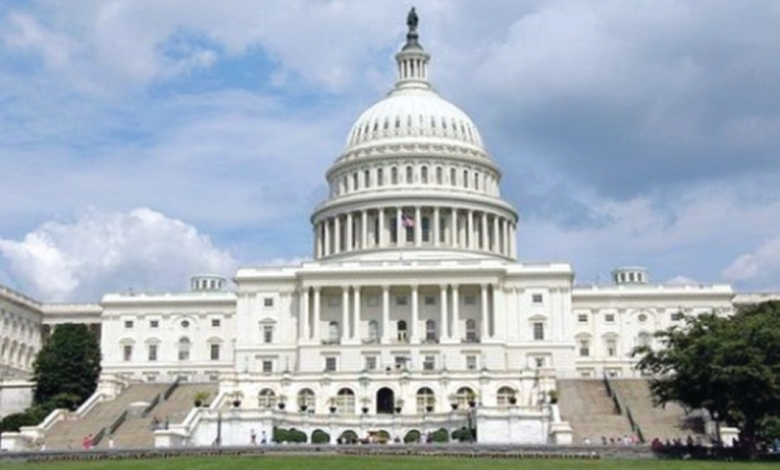

في خطوة سياسية بارزة تعكس الانقسام العميق في واشنطن حول السياسة الخارجية، أقر مجلس النواب الأمريكي قراراً يهدف إلى الحد من صلاحيات الرئيس دونالد ترامب في شن الحرب على إيران دون موافقة الكونغرس. يأتي هذا التصويت، الذي حظي بدعم من أغلبية ديمقراطية وانضمام عدد قليل من الجمهوريين، في أعقاب فترة من التوترات المتصاعدة بين واشنطن وطهران، مما يضع السلطتين التشريعية والتنفيذية في مواجهة مباشرة حول صلاحيات إعلان الحرب.
جذور التصويت: سياق متوتر وصلاحيات دستورية
لم يأتِ هذا القرار من فراغ، بل هو نتاج مباشر لأشهر من التوتر المتصاعد في منطقة الشرق الأوسط. بدأت الأزمة تتفاقم بشكل كبير بعد قرار إدارة الرئيس ترامب الانسحاب من الاتفاق النووي الإيراني (خطة العمل الشاملة المشتركة) في عام 2018، وإعادة فرض عقوبات اقتصادية قاسية ضمن حملة “الضغط الأقصى”. وقد بلغت هذه التوترات ذروتها في أوائل عام 2020 مع اغتيال الجنرال الإيراني البارز قاسم سليماني في غارة جوية أمريكية بطائرة بدون طيار في بغداد، وهو ما اعتبره الكثيرون عملاً حربياً قد يجر المنطقة إلى صراع واسع النطاق.
أثار هذا الإجراء جدلاً واسعاً داخل الولايات المتحدة حول مدى سلطة الرئيس في اتخاذ قرارات عسكرية حاسمة دون الرجوع إلى الكونغرس، الذي يمتلك دستورياً سلطة إعلان الحرب. يستند قرار مجلس النواب إلى “قرار صلاحيات الحرب” لعام 1973، وهو قانون فيدرالي يهدف إلى كبح قدرة الرئيس على إلزام الولايات المتحدة بنزاع مسلح دون موافقة المشرعين.
أبعاد القرار وتأثيرات محتملة لمواجهة الحرب على إيران
على الرغم من أن إقرار القرار في مجلس النواب يمثل توبيخاً رمزياً قوياً لسياسة الرئيس ترامب تجاه إيران، إلا أن طريقه ليصبح قانوناً نافذاً محفوف بالعقبات. يتطلب القرار موافقة مجلس الشيوخ، الذي يسيطر عليه الجمهوريون، قبل أن يصل إلى مكتب الرئيس. وحتى في حال موافقة مجلس الشيوخ، من المتوقع على نطاق واسع أن يستخدم الرئيس ترامب حق النقض (الفيتو) لإبطاله، وهو ما يتطلب أغلبية الثلثين في كلا المجلسين لتجاوزه، وهو أمر صعب التحقيق في ظل المناخ السياسي الحالي.
ومع ذلك، تكمن أهمية هذا القرار في الرسالة السياسية التي يبعث بها، محلياً ودولياً. فعلى الصعيد المحلي، يؤكد القرار على رغبة جزء كبير من الكونغرس في استعادة دوره الرقابي على السياسة الخارجية ومنع الانجرار إلى صراع عسكري جديد في الشرق الأوسط. أما على الصعيد الدولي، فإنه يكشف عن وجود انقسامات داخلية في الولايات المتحدة حول كيفية التعامل مع إيران، وهو ما قد يؤثر على حسابات طهران وحلفاء واشنطن وخصومها في المنطقة، ويظهر أن الإدارة الأمريكية لا تحظى بإجماع كامل لدعم أي تحرك عسكري محتمل.
موقف الرئيس ترامب والمفاوضات المستقبلية
من جانبه، أكد الرئيس دونالد ترامب مراراً على موقفه الحازم تجاه إيران، مشدداً على أنه لن يسمح لها بامتلاك سلاح نووي. وفي تصريحات متزامنة مع هذه التطورات، أشار ترامب إلى أن المفاوضات مع إيران “تسير بشكل جيد”، معرباً عن أمله في التوصل إلى اتفاق مكتوب قريباً. ووصف إيران بأنها “مشكلة حقيقية للعالم”، مؤكداً أن الوضع متقلب وأن أي شيء يمكن أن يحدث، مما يعكس الطبيعة غير المتوقعة للسياسة الأمريكية في المنطقة.