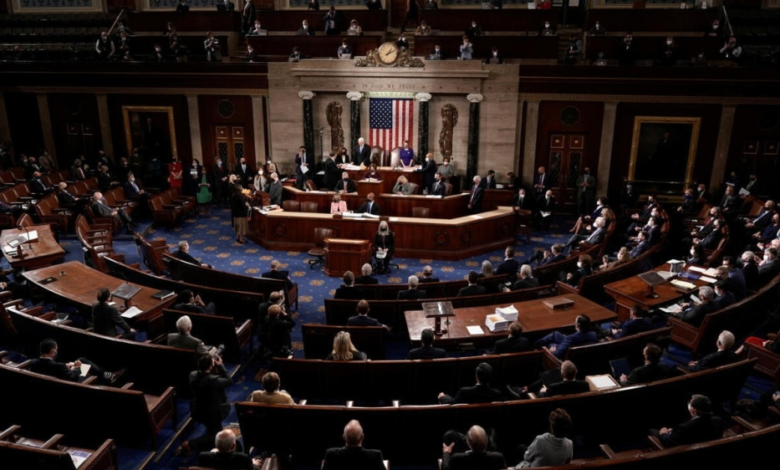

في تطور لافت يعكس تصاعد التوتر بين السلطة التشريعية والتنفيذية في الولايات المتحدة، صوت مجلس النواب الأمريكي، يوم الأربعاء، لصالح قرار يرفض الرسوم الجمركية التي فرضها الرئيس دونالد ترامب على السلع الكندية. وقد مرر المجلس القرار بأغلبية 219 صوتاً مقابل 211، في خطوة نادرة شهدت انضمام ستة نواب من الحزب الجمهوري إلى زملائهم الديمقراطيين لتأييد المشروع، مما يوجه رسالة سياسية قوية للبيت الأبيض حول رفض الكونجرس لسياسات الحماية التجارية المفرطة.
وتأتي هذه الخطوة التشريعية في سياق محاولات الكونجرس لاستعادة سلطاته الدستورية في تنظيم التجارة الخارجية، بعد أن توسع الرئيس ترامب في استخدام صلاحيات الطوارئ والأمن القومي لفرض تعريفات جمركية على الحلفاء والخصوم على حد سواء. ويشير المحللون إلى أن تصويت النواب يمثل "صفعة سياسية" لنهج ترامب الاقتصادي، الذي يعتمد بشكل كبير على الرسوم الجمركية كأداة ضغط تفاوضية، وهو النهج الذي أثار حفيظة العديد من الشركاء التجاريين التقليديين لواشنطن، وعلى رأسهم كندا.
من الناحية الاقتصادية، تحمل العلاقات الأمريكية الكندية أهمية استراتيجية قصوى، حيث تعد كندا أحد أكبر الشركاء التجاريين للولايات المتحدة. وتتداخل الاقتصادات بشكل عميق في قطاعات حيوية مثل الطاقة، والسيارات، والمواد الخام. ويرى الخبراء الاقتصاديون أن استمرار هذه الرسوم الجمركية من شأنه أن يرفع تكاليف الإنتاج على المصانع الأمريكية التي تعتمد على المواد الخام الكندية، مما يؤدي بالتبعية إلى ارتفاع الأسعار على المستهلك الأمريكي وزيادة معدلات التضخم، فضلاً عن تهديد سلاسل التوريد المستقرة بين البلدين الجارين.
وعلى الرغم من نجاح الديمقراطيين في تمرير القرار داخل مجلس النواب، إلا أن الطريق لا يزال طويلاً ومعقداً ليصبح قانوناً نافذاً. ففي حال وافق مجلس الشيوخ الأمريكي على القرار لاحقاً، وهو أمر غير مضمون في ظل التوازنات السياسية الحالية، فمن المرجح بقوة أن يستخدم الرئيس ترامب حق النقض (الفيتو) لتعطيل التشريع. ولتجاوز هذا الفيتو، سيحتاج الكونجرس إلى تصويت ثلثي الأعضاء في كلا المجلسين، وهي أغلبية يصعب تحقيقها في ظل الانقسام الحزبي الحالي، مما يجعل التصويت الحالي خطوة رمزية ذات دلالات سياسية واقتصادية عميقة أكثر من كونها تغييراً فورياً في السياسة.