
انفراجة دبلوماسية: فتح مضيق هرمز بأمان
في تطور دبلوماسي بارز يعكس انفراجة كبيرة في مسار الأحداث، أعلن وزير الخارجية الإيراني عباس عراقجي عن قرار استراتيجي يقضي بفتح حركة المرور عبر مضيق هرمز بشكل آمن ومستقر لمدة أسبوعين. وقد نقلت قناة الإخبارية عبر حسابها الرسمي على منصة إكس تصريحات عراقجي التي أكد فيها أن طهران ستعلق كافة عملياتها العسكرية في المنطقة، شريطة أن تتخذ الولايات المتحدة الأمريكية خطوة مماثلة بوقف عملياتها. وفي سياق متصل، كشفت طهران عن ترتيبات لعقد جولة مفاوضات حاسمة مع الجانب الأمريكي في باكستان، بهدف وضع اللمسات الأخيرة على هذا التفاهم.
ترامب يؤكد وقف إطلاق النار والتوجه نحو السلام
من جانبه، أعلن الرئيس الأمريكي دونالد ترامب موافقته الرسمية على تعليق العمليات العسكرية والهجمات الموجهة ضد إيران لمدة أسبوعين. وأوضح ترامب أن وقف إطلاق النار سيكون متبادلاً من كلا الجانبين، مشدداً على أن هذا القرار جاء مرهوناً بموقف طهران الإيجابي والتزامها بفتح مضيق هرمز أمام حركة الملاحة. ونقلت قناة العربية عن الرئيس الأمريكي تأكيده على أنه تم الاتفاق على تجاوز جميع نقاط الخلاف السابقة مع طهران، وذلك بناءً على موافقتها على الفتح الفوري والكامل للمضيق الاستراتيجي.
وأضاف ترامب أن إدارته قطعت شوطاً كبيراً ومهمة في سبيل التوصل إلى اتفاق نهائي يضمن سلاماً طويل الأمد مع إيران. وأشار إلى أن تعليق القصف الأمريكي جاء كنتيجة مباشرة للمحادثات البناءة التي أُجريت مع رئيس وزراء باكستان، مؤكداً أن الأهداف العسكرية الأمريكية في إيران قد تحققت بالكامل وتم تجاوزها. واعتبر أن المشكلة المزمنة مع طهران تقترب بخطى ثابتة من الحل الجذري، كاشفاً عن تلقي واشنطن مقترحاً إيرانيًا يتكون من 10 نقاط، والذي تعتبره الإدارة الأمريكية أساساً عملياً وممتازاً للتفاوض خلال مهلة الأسبوعين المحددة لإتمام الاتفاق وتفعيله.
الأهمية الاستراتيجية لمضيق هرمز والخلفية التاريخية
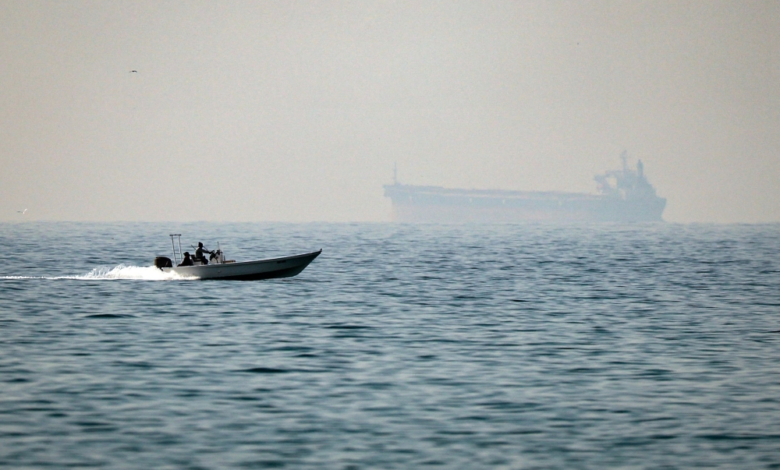
لفهم أبعاد هذا الاتفاق، يجب النظر إلى الأهمية الجيوسياسية والاقتصادية البالغة لمضيق هرمز. يُعد هذا المضيق أحد أهم الممرات المائية وأكثرها حساسية في العالم، حيث يربط بين الخليج العربي من جهة، وخليج عُمان وبحر العرب والمحيط الهندي من جهة أخرى. تاريخياً، شكل المضيق نقطة ارتكاز رئيسية في التوترات بين الولايات المتحدة وإيران، حيث طالما استخدمت طهران التهديد بإغلاقه كورقة ضغط سياسية وعسكرية في مواجهة العقوبات الدولية والضغوط الأمريكية. ويمثل تأمين هذا الممر أولوية قصوى للأمن القومي الأمريكي ولحلفائها في المنطقة لضمان تدفق التجارة العالمية.
التأثيرات المتوقعة للاتفاق إقليمياً ودولياً
يحمل هذا الإعلان تأثيرات واسعة النطاق على مستويات عدة. على الصعيد الدولي والاقتصادي، يمر عبر مضيق هرمز نحو 20% من إجمالي الاستهلاك العالمي من النفط الخام، بالإضافة إلى كميات ضخمة من الغاز الطبيعي المسال. وبالتالي، فإن ضمان المرور الآمن سيؤدي فوراً إلى استقرار أسواق الطاقة العالمية وتهدئة المخاوف من انقطاع الإمدادات، مما ينعكس إيجاباً على أسعار النفط. أما على الصعيد الإقليمي، فإن هذه التهدئة تمنح دول الخليج العربي والمنطقة بأسرها متنفساً من التوترات الأمنية التي هددت استقرار الملاحة والتجارة. ويمثل نجاح المفاوضات المرتقبة في باكستان فرصة تاريخية لإعادة رسم خريطة الاستقرار في الشرق الأوسط، وتجنيب المنطقة ويلات تصعيد عسكري غير محسوب العواقب.